

Plenty of 240Z owners land on this question after too much time with a parts diagram or a late-night forum rabbit hole. The front end of an S30 is one of the most debated areas on the whole car, and the headlight setup sits right at the heart of it. A choice between the factory sugar scoop housings and a stripped-down open bucket arrangement goes far deeper than just the look.
The 240Z has one of the most recognizable silhouettes in Japanese automotive history, and Nissan's design team had spent years on every last detail to get it there. A big part of what makes it look the way it does comes from those long fender nacelles that wrap around a pair of 7-inch sealed beams. Any modification to that area changes how the entire front end comes across, and opinions on whether it's an improvement or a step back are going to split pretty hard.
These were designed to work alongside the headlight assemblies from that era, and they do a job with airflow and lens protection. An open bucket setup gives up a bit of that in exchange for a more aggressive look - which is what most track-focused builds are after. It all depends on what you're building and what you want the car to look like when it rolls into a show or hits the track.
Headlight styles are covered below, so you can land on the right look!
Table of Contents
- The Sugar Scoop and Open Bucket Headlights
- The Factory 240Z Look That Has Lasted
- Why Owners Move to Open Headlight Buckets
- Rust and the Search for a Clean Bucket
- A Better Headlight Setup for Both Housings
- Weight and Access on the Dedicated Track Build
- Sugar Scoops or Open Buckets for Your Z
- Build Your Dream Car
The Sugar Scoop and Open Bucket Headlights
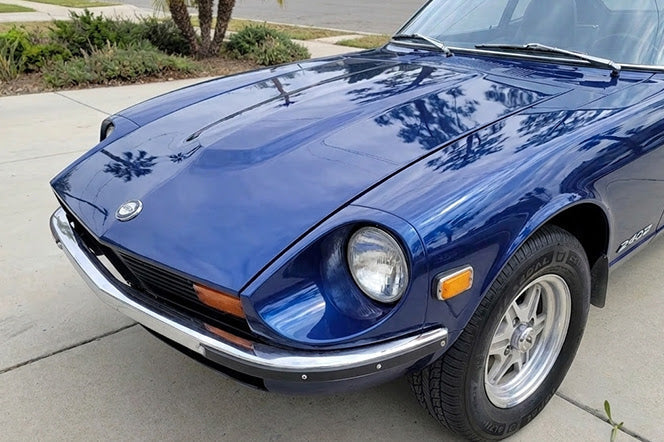
The name "sugar scoop headlight" comes straight from the shape of the housing - each light sits deep inside a recessed bucket that curves inward toward the bulb, which gives the front of the car a slightly sunken look right around the lights. The end result is a recessed appearance around each light - it's one of the more fitting names in automotive history.
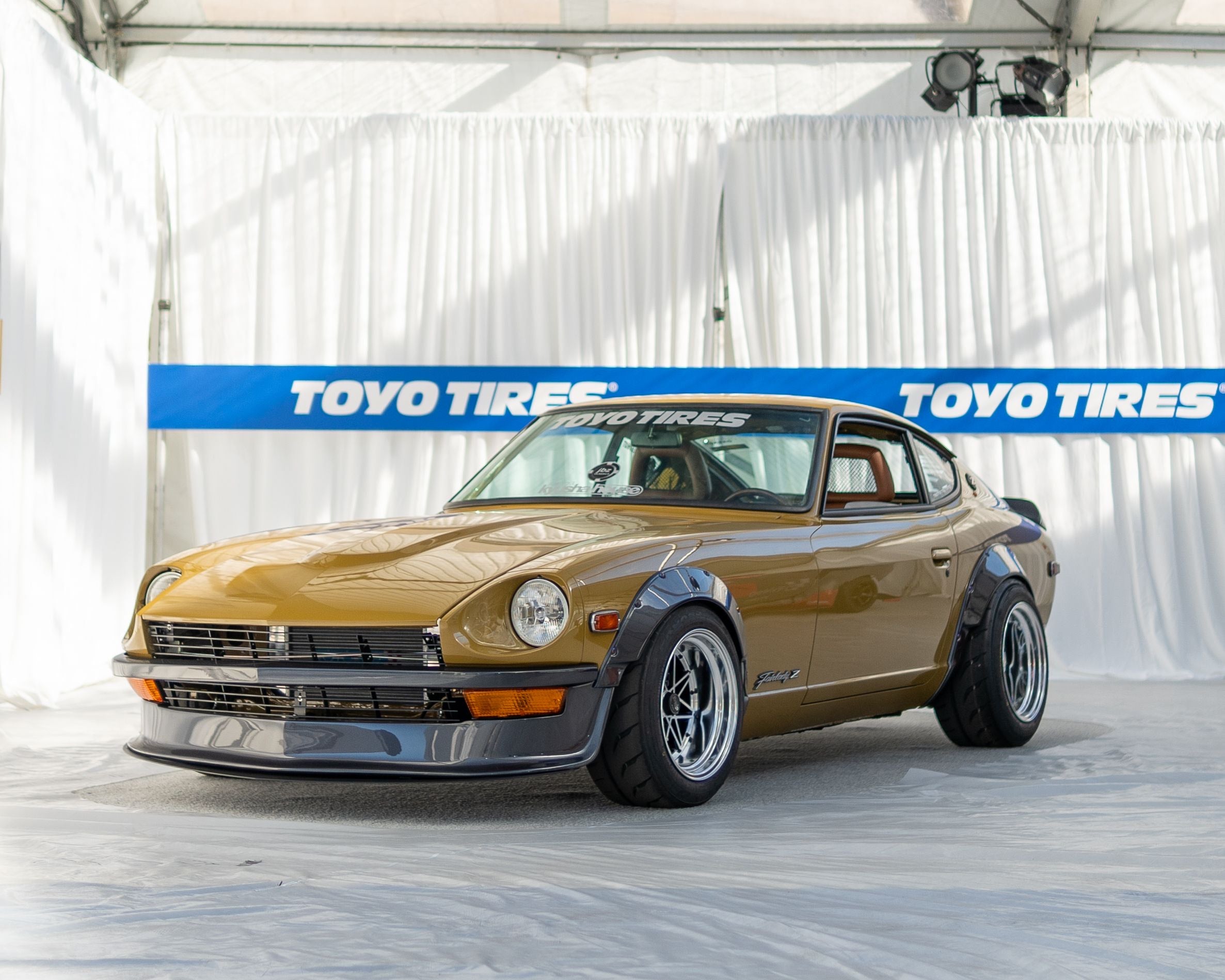
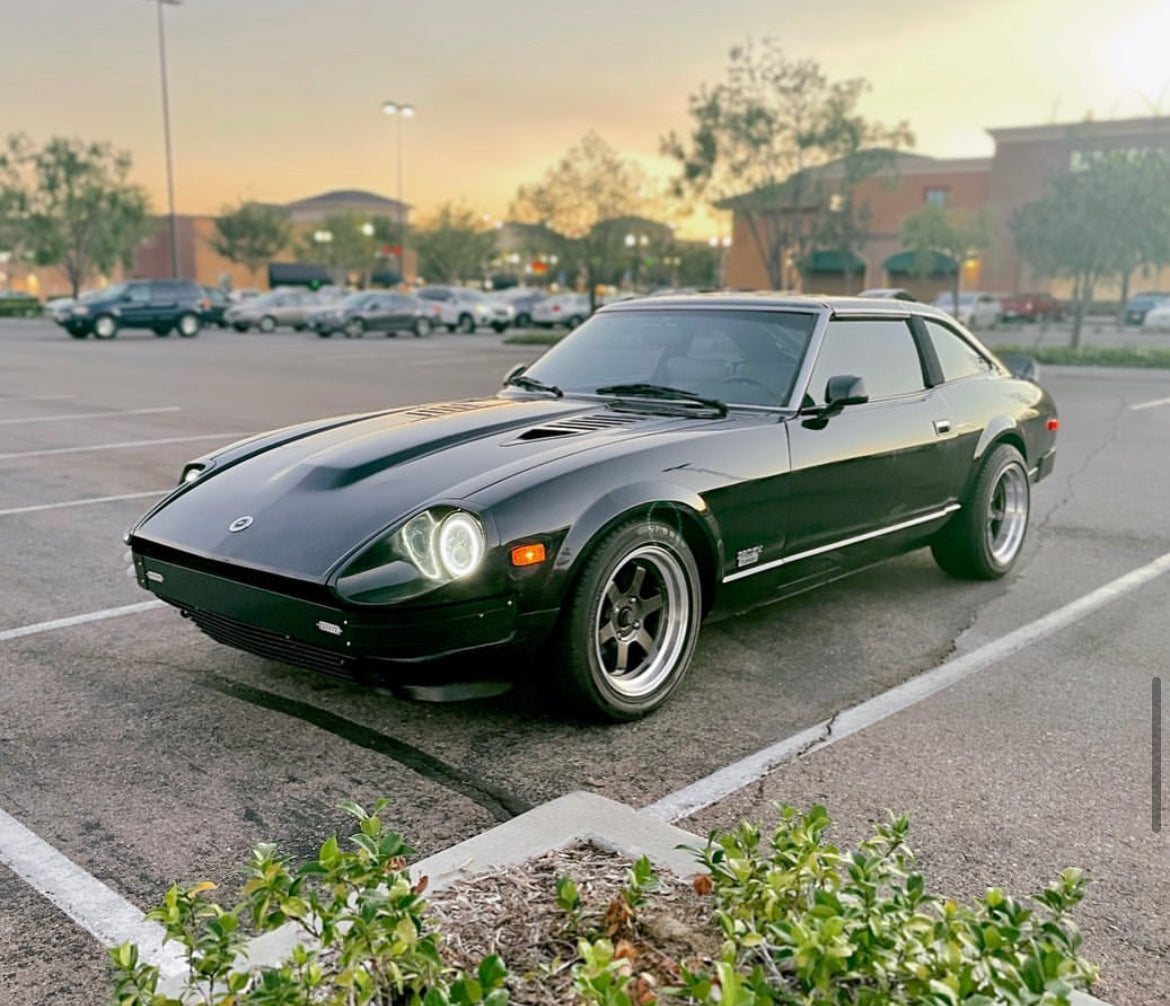
Open bucket headlights are set up a little differently. The housing on these sits much closer to the surface of the front end, which puts the light in a more exposed position. There's much less depth between the outer edge of the housing and the bulb itself - that one small detail changes the whole character of the front end quite a bit.

A 240Z with sugar scoops makes the headlights look like they've been pulled back deep into the body - almost like they're set behind the front of the car. Open buckets work the other way - the lights sit out at the nose and right at the front edge of the car. At the end of the day, that difference in depth is the main factor that separates the two styles.
The sugar scoop setup is what Nissan put on the 240Z straight from the factory, and it remained the standard look from 1969 through 1973. Any Z from that era that's in its original form will have those recessed housings. Open buckets are a mod - it's something owners swap in when they want a more aggressive-looking front end. It's one of the more popular changes in the Z community, and the car does take on a much more intense look compared to the factory setup.
The easiest way to tell them apart is to look at how far back the light sits from the surface of the car - if it's deep and recessed into the body panel, that's a sugar scoop, and if it sits right up near the front and closer to flush with the car's body, that's an open bucket.
The Factory 240Z Look That Has Lasted
The original recessed housings were designed to follow the car's body lines, and the way the headlights sit nestled into the fenders is a big part of what gives the 240Z its signature look. Pull those out and swap in the open buckets, and you're left with a pretty different car.
In the concours and restoration circles, that distinction matters quite a bit. Judges at the bigger Datsun shows look at everything (even the small details), and the headlight configuration is one of the most visible features on the whole car. A numbers-matching 240Z that's presented with open buckets will raise quite a few questions, and not the welcome kind.

Outside of the show world, the recessed lights are also just what enthusiasts picture when they think of a 240Z. That image has held up for well over fifty years now, which is no small feat. Plenty of famous classic cars have had their original parts replaced over the decades and have slowly faded from memory as a result. The 240Z has stayed so recognizable in large part because a number of surviving examples have kept their original features. The stock look is, for better or worse, the benchmark that every other headlight setup on this car gets measured against. No one says it has to be stock, and a different setup is a valid choice. But it's a step away from the look that made the car famous.
Why Owners Move to Open Headlight Buckets
Some owners feel that the sugar scoop housings sit a little too close to the factory look. For a build with a more track-focused personality, or if you want a more aggressive front end altogether, exposed headlight buckets can give the nose a more purposeful edge.
A cleaner line across the front of the car does quite a bit for the look. Without the plastic shrouding in the way, the headlights get to sit more openly in the body, and the whole front end ends up looking more intentional and put-together. For such a minor modification, the visual difference from the outside is huge.

That said, it's one of the more hotly debated modifications in the Z community, and it's something to keep in mind before committing. Forums are full of threads where owners passionately defend their open bucket setups - and just as many replies come from owners who'd like to keep it stock. Neither side is wrong, and each camp holds some strong opinions on it - from what I've seen, the debate has no end in sight.
For most builders, the switch can depend on where the build is headed stylistically. A car that's being built to look aggressive at a standstill doesn't have much room for rounded touches at the front end. Sugar scoops are well-loved on a stock car, and it's easy to see why - there's an almost gentle quality to their shape that works in that context. An open bucket just has a crisper edge to it, and that edge tends to fit the whole look much better on a more aggressive build. It's not a knock on the factory design at all - it's more that the headlights should match everything else that the car has going on by that point in the build.
Rust and the Search for a Clean Bucket
Rust is probably the single biggest reason original headlight buckets are so hard to find in decent shape. The metal is already pretty thin, and the placement makes it even worse (they sit right behind the front valance). Moisture tends to collect and never gets a chance to dry out.
At this point, most of the clean original buckets have already made their way into restorations. What's left out there tends to be pitted, perforated or just barely held together with old paint and not much else. Plenty of Z owners have pulled a car out of long-term storage and found the buckets so far gone that they weren't even worth saving.

A few photos don't always tell the full story, either. Rust on the back of a bucket is something that's pretty easy to miss, and plenty of sellers don't go out of their way to draw your attention to the parts that don't look great.
Fiberglass reproductions have become a pretty popular workaround for just this reason - they don't rust, and at this point they're usually quite a bit easier to track down than a clean original. Reproduction metal options are also out there for anyone who wants something a little closer to the factory look and feel. With that said, if you haven't been able to find clean original parts, either one is worth a look.
A Better Headlight Setup for Both Housings
Stock sealed beams on a 240Z were never what you'd call anything great. On a dark road, they give you just enough light to remind you that you're driving a 50-year-old car at night - and not a whole lot more than that.
That's a big reason why owners switch to H4 halogens or LED conversions. Open bucket housings do make the whole process a bit easier - the extra space to work with the mounting hardware and aftermarket brackets goes a long way. Sugar scoop housings are a bit more involved. But they're still a decent option.

With the right adapter hardware, either housing style can take on modern bulb setups without a whole lot of fuss. The sugar scoop design does add a few extra steps - nothing that a patient builder can't manage over a weekend afternoon, though. That said, the payoff is well worth it. Once you've driven the car at night with a decent halogen or LED setup, the stock sealed beams are just not something that you're going to want to go back to.
On a car of this age, the steering and braking already take up a fair amount of your attention on a normal day. Add a dark road, and headlights that actually light up what's ahead of you really help with how the car feels at night. It's an upgrade that doesn't get nearly as much attention as an engine swap or a suspension refresh, which is a bit of a miss, because for day-to-day driving, very few upgrades are more worth doing. Regardless of which housing style you go with, a lighting upgrade is one of the better improvements that you can make during a build, and it's one that I'd put pretty high on the list.
Weight and Access on the Dedicated Track Build
On track and autocross builds, open buckets are usually one of the first swaps a builder makes once weight starts to matter. Without the fiberglass surround, the housing is already noticeably lighter, and a cleaner mount setup will shave off a little more on top of that. At the amateur level, that weight difference probably won't change your lap times in any way that matters much. Weekend racers who build these cars for competition usually treat every small reduction as one part of a much bigger picture.

Maintenance is worth a mention too. Open buckets give you much faster access to the bulb and the wiring - with no housing in the way when you need to get in there. That direct access saves you time over a long day - especially when swapping bulbs at the track or adjusting headlight aim between runs.
Sugar scoops don't lose points in every track situation either. Plenty of builders run them on cars that pull double duty on the street - they want to hold onto that factory look and still have a car that they drive around. In that case, it's more of a statement about what that builder actually wants out of the car.
Most of it can depend on how far the build has gone and how much the car has been stripped down. A dedicated autocross car with a gutted interior and a stripped-down nose will treat every component differently than a dual-job build that drives out to the event and back home. Most builders work this out pretty early once they settle on a direction for the car - and from what I've seen, that choice shapes just about everything else.
Sugar Scoops or Open Buckets for Your Z
The right answer can depend on what you want the car for. A show car has very different needs than a weekend track build - and a daily driver lands somewhere in between. Each is its own set of details to sort out.
Parts availability deserves some attention before you go too far down either path. The sugar scoop setup is harder to source, and examples can take some effort to track down. Open buckets are a much easier way to go for getting the car up and running without a long parts search ahead of you.
Lighting is another area that deserves some thought, especially if this car will see any road time after dark. Open buckets give you more flexibility - you can run modern sealed beams or retrofit options that will actually light up the road the way that you'd want. Sugar scoops have a period-correct look, and plenty of builders love them for just that reason. Their performance at night is a trade-off to weigh before you commit.

It's a small detail, and it adds up. Every time you pull into a parking lot or swing open the garage door, that nose is the first part that your eyes land on. One style is period-correct and a little rare to come by - the other is a cleaner look that's just easier to live with. Each is an option, and neither one is a wrong answer.
For factory-correct authenticity, sugar scoops are hard to beat. For a cleaner front end and something that's a little easier to live with day to day, open buckets are a strong choice. No matter which way you go, the car will be yours - and that's the part that matters most.
Build Your Dream Car
Whether you go with the factory look or something more stripped-down, all that matters is what you actually want the car to be. For most builders, that alone is enough. These are the calls that take a Z from just another project car to something that's yours. A car that was built around your own vision carries a different weight to it - even when the guy on the forum has plenty of opinions about your headlight choice. It's part of what makes a personal build like this worth doing.

We built Skillard for this owner - the one with a vision and the right parts to back it up. For the 240Z, 260Z, 280Z and other classic Datsun projects, we carry a full catalog of custom parts built for these cars. Bumpers, aluminum door cards, center consoles, spoilers - the range is wide, and every piece is held to the same standard of quality that a build deserves. We take care with fitment and finish because we know that you have a picture of what the end result should look like.
Whatever direction your project is headed, the catalog will very likely have something worth a look. After years of working with all kinds of different builds, I can tell you that the right parts do change how the finished product comes together - and they make the whole process quite a bit more satisfying too. Check us out at Skillard.com and see what's there for your build.