


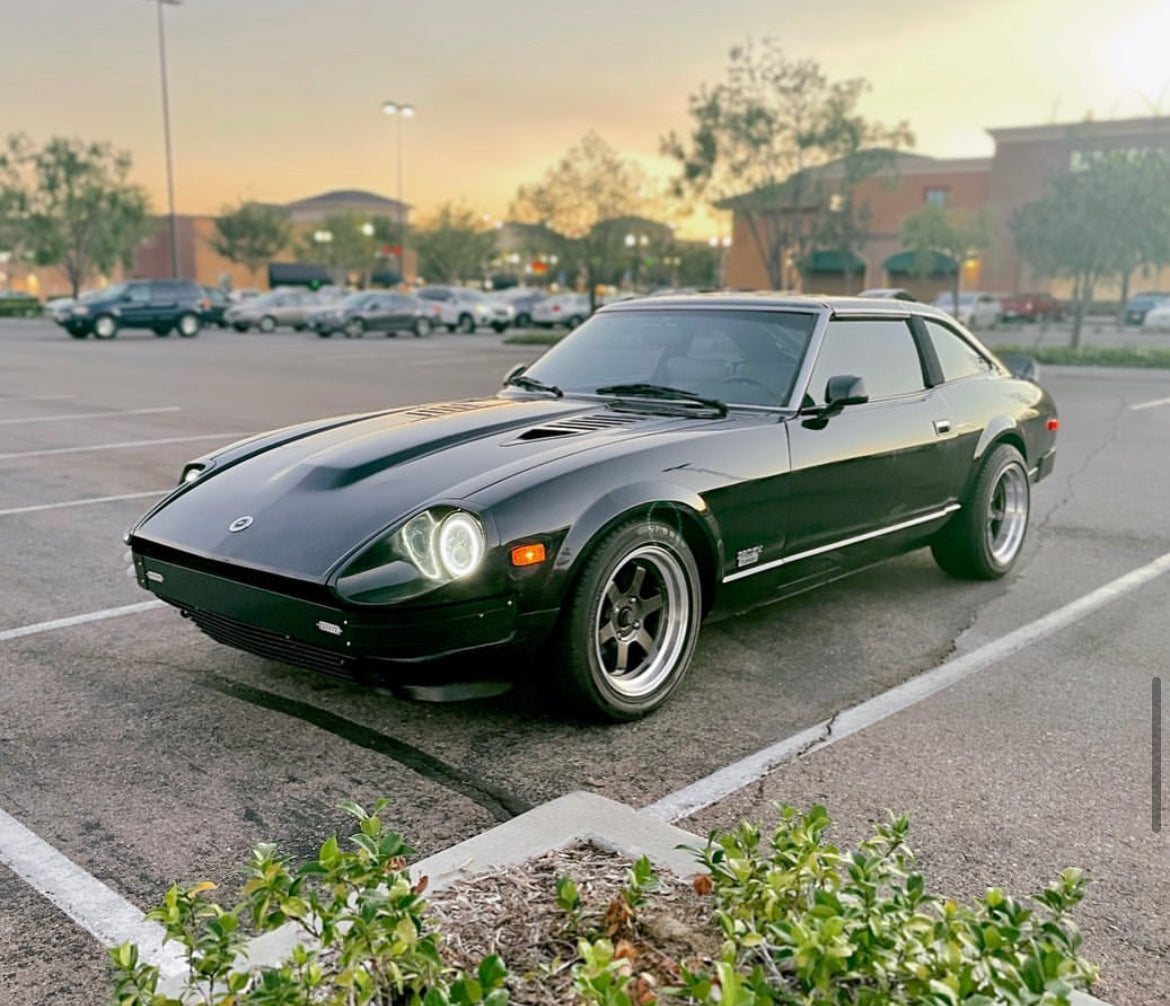

Most S30 owners go through the same troubleshooting cycle at least once. The headlights start acting up, and the first move is usually a new bulb. When that doesn't do it, you wiggle a few connectors, poke around a bit and eventually the problem seems to go away on its own. A few weeks pass - and then it's back. Same problem, same temporary fix, same frustration.
The issue almost never starts with the bulb, and in most cases, it isn't the connectors either. The factory headlight wiring on these cars was never built to manage 40 or more years of engine heat, road vibration and oxidation that works its way into every connection it can find. The switch and the wiring that runs to it carry a pretty heavy electrical load, and after decades of that wear, the whole circuit's very close to failing. A failed bulb is usually just the final symptom of a system that's been quietly struggling for a very long time.
A relay upgrade is what actually ends that cycle. With a relay in place, fresh power comes directly from the battery and goes straight to the headlights - it no longer has to run through the old switch and whatever's left of the original wiring. The aging switch still factors in. But its role is a much easier one now - it just tells the relay when to fire instead of carrying the full electrical load on its own.
The payoff shows up fast. The voltage output levels out, the lights run noticeably brighter and the whole "fix it, wait, fix it again" cycle is finally behind you. Road visibility at night is a genuine concern on the S30 (especially on roads with little or no ambient light), and this upgrade addresses it directly. That improvement in visibility alone makes it one of the more worthwhile ones to take care of first.
Let's run through this relay upgrade and get that headlight flicker finished out!
Table of Contents
The Real Reason Your S30 Headlights Flicker
On the S30, the headlights pull their full power directly through the combination switch in the steering column. That one switch is responsible for quite a bit ( turn signals, high beams and the main headlight on/off all pass through it), and it was never built with that workload in mind.
After over 40 years of use, the internal contacts inside that switch start to corrode. The wiring insulation turns brittle over time. The connections get loose, and resistance begins to build up all throughout the circuit. That built-up resistance is what gets between your headlights and the power they need to run the way they should.

40 years is a long time by electrical standards. We're talking about decades of heat cycles, moisture, vibration and oxidation. That has been steadily wearing down every connection in the system. At this point, most S30s still on the road have wiring that has already been through far more abuse than it was ever designed to take, and most of it has never been touched along the way.
What ends up at the headlights is a flicker and a noticeably dim output. The switch contacts have worn down to the point where they can't pass power the way they once did, so the voltage that actually reaches the bulbs starts to drop and fluctuate. Most owners replace the bulbs immediately when this starts to happen - and it's probably the most common misdiagnosis that I come across with these cars. The bulbs are nearly always fine, and nine times out of ten, the ground is fine too. The actual wear lives much deeper in the system, right at the heart of the factory headlight circuit - it's the last place most owners would ever think to look.
This design made perfect sense in 1969. At this point, a 50-year-old switch can't be expected to carry that load reliably.
The Fix That Always Comes Back
Most S30 owners head straight for the combination switch contacts first, and it's a fair place to start. The job itself is pretty easy. The parts cost next to nothing, and it does work - just not forever.
The deeper issue is that it doesn't fix what's actually happening underneath. The wiring in these cars is decades old at this point, and the contacts inside the combination switch have been wearing down for just about as long. Dielectric grease can help slow that down - it just can't undo the damage that's already been done.

The flicker comes back. Sometimes it's within a few months, and sometimes it takes a bit longer - but it always comes back. The corroded metal and aged insulation don't stop breaking down just because the contacts are clean - they're going to deteriorate regardless. At some point, you'll do the exact same job all over again, and each time you do, there's a little less material left to work with. It's a frustrating cycle.
A relay upgrade is the natural next step here, and it changes the strategy entirely. The goal is to reroute most of the load away from the worn-out electrical path altogether. With a relay in place, the combination switch still does its job. But it just doesn't have to carry the full power draw from the headlights anymore. For a switch that's already put in decades of service under heat and stress, that drop in workload does quite a bit to extend its life.
How a Relay Skips Past the Old Wiring
A relay upgrade changes the path that power takes to reach your headlights. Without one, every bit of electricity that your headlights need has to travel through the headlight switch, through the older wiring and through every connection along the way. That resistance piles up fast, and it leaves plenty of weak points in the system - places where connections can and eventually will start to fail.
Once you have one in place, your headlight switch no longer has to carry the full electrical load - it just sends a small signal to the relay, and the relay takes care of everything from there. Power gets pulled straight from a dedicated source and goes directly to the headlights, with none of the old wiring involved.
To put it another way, your original switch is no longer the main line (it acts more as a signal switch now), and it still tells the headlights when to turn on and off. But it no longer has to carry that power by itself.

On an S30, it's more of a genuine concern than on most other cars. The original circuit just wasn't designed with decades of use in mind - and it shows over time. The wiring wears out, the connections start to corrode, and the headlight switch slowly takes on a load it was never built for. From what I've seen, the switch is usually the first place problems start to show up.
A dedicated power line cuts right past all of that. It opens up a brand new path, one that the old wiring never has to touch again.
The result is a more stable power supply to your headlights and a much longer service life for that switch as well.
Parts You Need for a Relay Upgrade
All the right parts need to be ready before you touch a single wire. A little prep work early on does matter.
Wire gauge is worth the extra attention on a job like this, and 12 to 14 AWG is the range that you want to stay in. Thinner wire can add resistance to the circuit - that resistance is what causes voltage drop and flickering headlights in most cases. With heavier wire, the power flows clean and stable from the battery to the bulbs.

An inline fuse is also on the list, and it needs to be mounted as close to the battery as possible. It's a small part to miss. But it does actual work - it protects your new wiring from a short circuit and keeps the rest of your electrical system in one piece if something goes wrong. A few cents' worth of fuse is pretty cheap compared to what it costs to rewire an entire car.
Last on the list is a handful of quality connectors to terminate your wires correctly. A few extra minutes at each connection to get protected terminations can help with long-term reliability.
How to Wire a Relay Step by Step
Once all your parts are in order, it's time to move on to the wiring. The inner fender or the firewall is a great place to mount your relays - if you can, get them as close to the headlights as possible. Short power wire runs mean cleaner connections.
A relay actually needs two separate inputs to work correctly. The first is a trigger wire - you'll tap this directly from the original headlight switch circuit, and it's what tells the relay when to open and close. The second is a direct power feed, wired straight from the battery or from a fused point on the fuse box. Each one of these connections needs to be tight and reliable, so give yourself an extra minute to double-check each one before you move on.

The path that your power wire takes from the battery deserves a little bit of extra care - keep it well away from heat sources and any moving parts. Wherever it passes through the firewall, make sure that you have a grommet in place.
With all connections in place, go ahead and test your low and high beams before you lock anything down. At this stage, you want to verify that the relay is firing the way it should and that each beam is pulling full power. If anything seems off, now is the time to trace the wiring back. Cycle the headlights on and off a few times just to make sure that everything holds steady and still responds the way it should.
What Can Go Wrong With Your Build
A few parts of this build can trip you up, and they're worth a look now as you still have room to work.
Wire gauge is one of the most common mistakes I see with relay setups. The relay itself does work (it's pulling power and switching a load), and if the wire is too thin for that, it'll heat up under the load and create the very same flickering problem that you were trying to fix. A safe bet is to go with a gauge rated well above the headlight's draw, just to give yourself a comfortable safety margin.

The inline fuse is another one that comes up in S30 build threads. Its whole job is to protect the wire run that sits between the battery and the relay - and without one in place, any short in that section has nothing at all to stop it. A wiring fire is a genuine possibility at that point, and no shortcut is worth it.
Bad grounding is where plenty of otherwise clean installations go wrong. A connection to a painted or rusty surface will add resistance, and it quietly works against everything else in your relay setup. Bare metal is what you want, with a ring terminal secured tightly to it - a ground that you can trust.
Last on the list is the wire routing. Any path that runs near the exhaust manifold (or any other heat source) will slowly break down the insulation and leave you with problems that are nearly impossible to trace. It's worth the extra time to find a cleaner path. Anywhere the wires have to get close to heat, some loom or conduit will protect them.
Brighter Headlights Are a Real Safety Upgrade
With a 50-year-old wiring harness, voltage drop is all but a guarantee. Old switches, worn connectors and corroded grounds all bleed off some power well before it ever gets to the bulbs. A relay upgrade reroutes that and pulls the power directly from the battery instead. At full voltage, your headlights perform the way they were always meant to, and the road ahead looks a whole lot different for it.
A car from the early 1970s doesn't have lane departure warning, adaptive lighting or a backup camera - none of the modern safety tech we've all come to depend on. On an S30, brighter headlights are one of the only safety tools at your disposal.

For S30 owners who actually drive their cars at night, this tends to be the most worthwhile electrical upgrade on the whole list - at least in my experience. Even if your Z mostly does weekend shows or spends most of its year in storage, the upgrade still makes sense. But the ones who will feel it are the ones who take it out after dark.
A relay upgrade also does something that's a little harder to put a number on - it gives you actual confidence in your lighting system. Dim output and the sudden flicker creep into the back of your mind on a long drive - even if you're not thinking about it. A relay takes care of all that, and because of how cleanly it integrates with the car's existing wiring, it never comes across as an add-on - more like something that should have been there from the start.
Build Your Dream Car
Few upgrades on an S30 pay off as fast as this one. The first time you flip on the headlights and get a bright beam instead of that dim flicker, the whole effort feels worth it. No automotive electrical experience is needed - just the right parts, a little patience and a commitment to get it right the first time.
These cars were built to be driven hard and enjoyed. A night drive should feel natural and confident - not something that you second-guess the whole time. A strong electrical foundation is a big part of what makes these cars what they are and what they were always meant to be.
The difference shows up in other places, too. When the basics are finished, you start to see how much more you like the car. That tends to cause the next project and the one after that.

There's always something that could look better, fit better or run better - and parts that were actually designed with these cars in mind make a real difference in how everything comes together. At Skillard.com, we build custom parts specifically for Datsun Z cars - bumpers, aluminum door cards, center consoles, spoilers and plenty more. There's something in our catalog that fits your project - whether it's a full restoration or just the tail end of an already clean build. Even one well-chosen part can improve how the whole car feels. Visit Skillard.com to see the full range and find what your Z has been missing.