

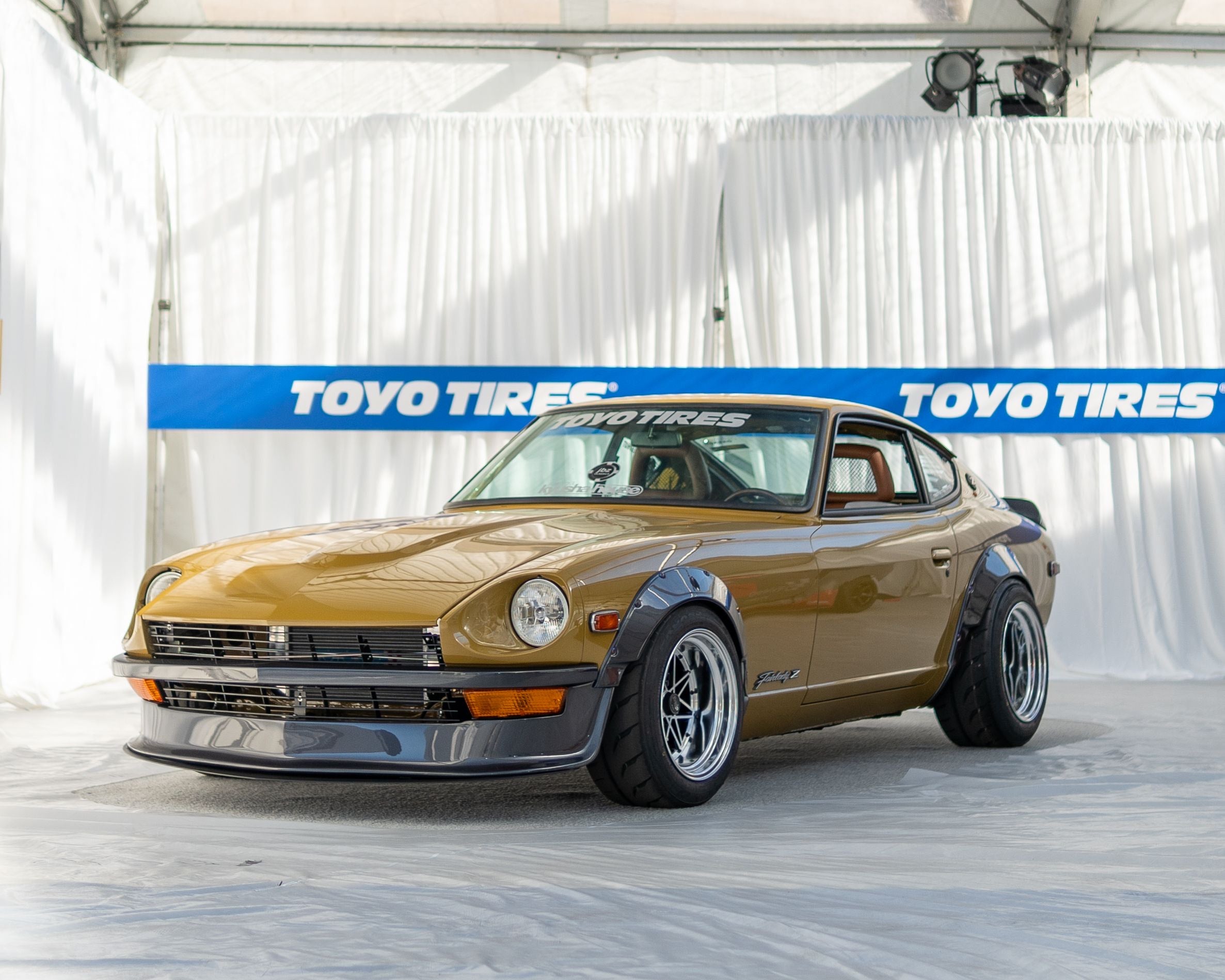
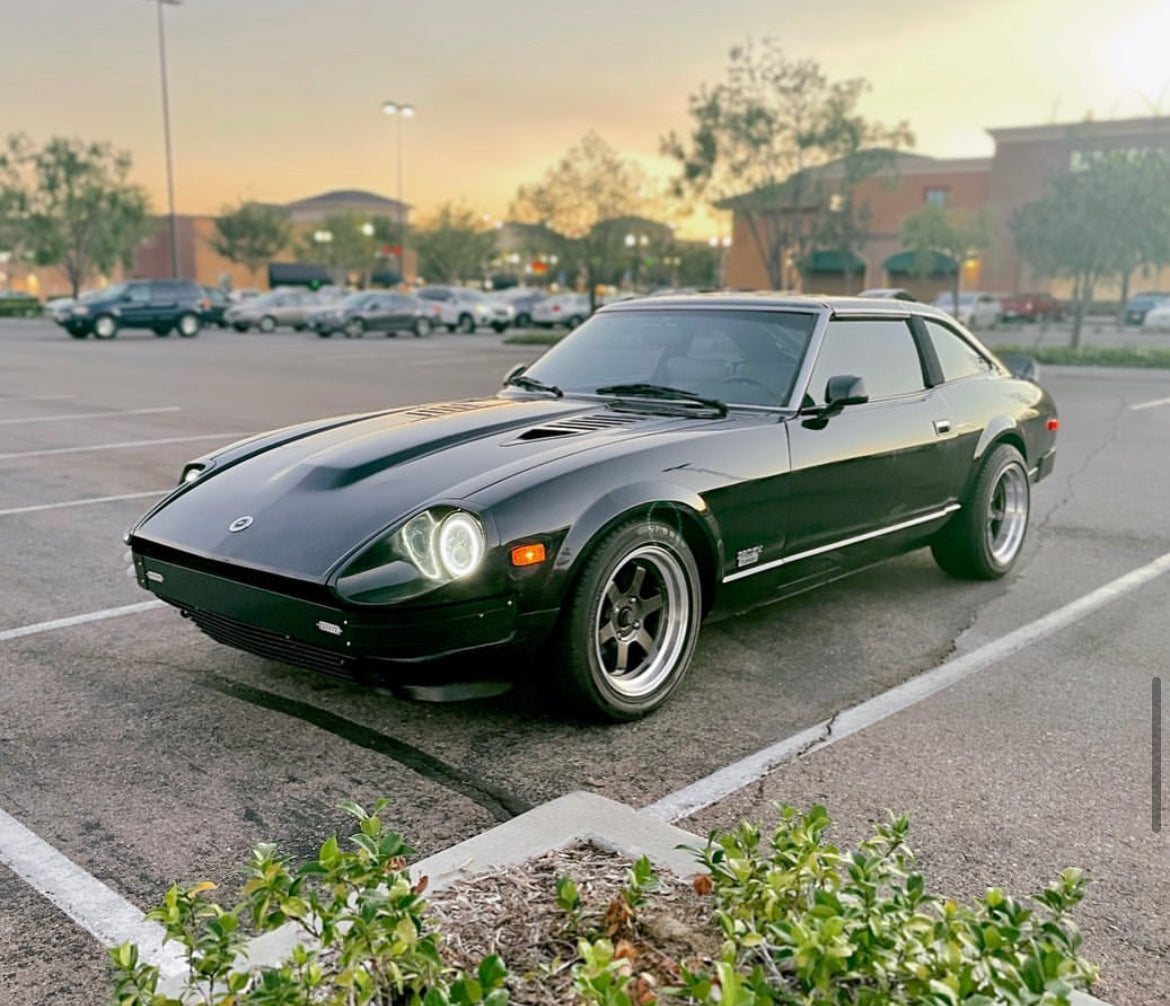

Weight reduction is usually going to be faster than a power gain - especially on a budget build where every dollar has to count. Lap times respond far more to lost pounds than to gained horsepower, and the margin between the two is wide enough to change how you plan out a build. The 240Z rolls off the factory floor at around 2,300 pounds, which means there's already plenty of dead weight on the car before a single dollar ever goes toward the engine.
Weight reduction doesn't need fabrication skills, a full shop or a parts budget that most of us just can't afford. A full strip-down for track duty is pretty easy with nothing more than basic hand tools over a couple of weekends, and a number of the removals that have the biggest payoff won't cost you a single dollar.
The physics are in your favor here. Every extra pound costs a Formula 1 driver around 0.014 seconds per lap - and shedding a pound is far cheaper than adding a horsepower.
A car like the 240Z still has plenty of weight left to pull before you'd ever need to go anywhere near the engine bay. A build follows a set order, and the regulations for your series need to be part of that plan from day one. Bolt-off items are always the first to go after - seats, glass, interior panels, spare tires and anything that you can pull without a welder or a drill. Permanent structural changes can wait until the easier wins are already off the car, and each modification also has to make it through tech inspection, so a quick pass through the regulations before anything comes off permanently is always time well spent.
Let's get into some budget-friendly ways to cut weight on your 240Z!
Table of Contents
Lose Weight Before You Add Power
Weight reduction is one of the best moves you can make for a track car on a tight budget. Most modifications only improve one area at a time (maybe braking or cornering), but usually not all at once. A weight drop is one of the few changes that actually helps braking, cornering and acceleration all at the same time - an across-the-board gain from a single mod is legitimately rare.
A common benchmark in motorsport says every 10 pounds that you strip from a car is roughly equal to 1 extra horsepower. That's not a big number on its own. But add it all up across a car like the 240Z (one with loads of weight loss room), and it starts to matter quite a bit. Every pound that you pull off is free performance with no downside.
Engine modifications will drain your budget fast, and you probably won't feel the difference unless you're willing to spend quite a bit. Weight reduction, though, is usually pretty affordable - and in plenty of cases it costs you nothing at all.

One benefit that doesn't usually get the attention it deserves is what a lighter car does to the rest of your setup. Less weight means less stress on the brakes, less wear on the tires and less load on the suspension. That compounds during a long track session in ways that can legitimately make or break your lap times.
That's why experienced track builders strip first and add power later. The 240Z is a great platform for this type of build - the factory car came with loads of weight that was never meant for a track environment. Well before you ever lay a hand on the engine, a weight reduction is one of the smartest moves that you can make on one of these cars.
Pull the Dead Weight Out of Your Interior
The interior of a 240Z is one of the best places to start if you're after free weight savings. Between the carpet, dashboard padding and rear interior panels, there's plenty of dead weight in there - and none of it needs any tools to remove. Pull out all three, and you've already made a decent dent before you've touched a single bolt.

The tar-based sound deadening is one of the more rewarding parts of a Z car weight reduction project. Early Z cars left the factory with a heavy layer of it on the floor, the firewall and all through the trunk area - a full pull can save you anywhere from 50 to 100 pounds, and the exact number mostly depends on how far you're willing to go.
Dry ice is by far the most popular way to remove tar. The cold makes it brittle, and it pops off in decent chunks and doesn't smear all over the place - for a much easier cleanup. A heat gun works in the opposite direction and softens the tar, which does mean more patience and effort. Whichever you go with, you're looking at a weekend job that costs next to nothing.
Before you start, there are a couple of details to keep in mind. For one, the cabin gets noticeably louder once all that deadening material is out - a stripped Z is very loud in there, and any longer drives to and from the track are going to remind you of that fast. The other issue is that either strategy will leave behind a sticky residue on the floor metal that takes real effort to scrub off. Adhesive remover or mineral spirits will take care of it, but plan to set aside some extra time for that part. The metal does need to be clean before you move on to whatever comes next.
Replace Your Stock Seats with Racing Buckets
The factory seats in a 240Z are almost absurdly heavy for what they are. A single stock seat can weigh anywhere from 40 to 60 pounds (add up the frame, the internal springs and the padding packed inside), and it really hits home the first time you pull one off its rails.
A quality aluminum-framed racing seat, in comparison, will come in well under 20 pounds. At under $200 per seat, that weight savings is hard to beat - and it's one of the better returns that you'll get at this price point in any build.

The mounting setup is one of the first details to nail down when you start planning this swap. A racing seat has to have a subframe to position it at the right height and angle - and that same subframe also needs to be compatible with a harness instead of a standard seatbelt. It's a two-part setup that's easy to miss on the first pass - and the geometry is well worth a bit of extra time.
Harness bar placement is something to work out before the seat ever goes in. Bar height and seat angle are directly linked, since a four-point or six-point harness pulls the belt toward a fixed anchor point behind the driver. Move one, and the other one has to follow.
The weight reduction alone makes a pretty strong case for the swap. A racing seat is lighter, more supportive and a better fit for what a 240Z was built for.
Remove the Spare Tire and Smog Gear
The spare tire, jack and hardware in the hatch can come straight out with no modification to the car whatsoever. Add the emissions equipment under the hood to that list, and just those two removals alone can get you anywhere from 40 to 60 pounds of weight savings.
A dedicated track car has no business with a spare tire. Any tire problems will get handled in the paddock, never on the shoulder of a highway - so the spare is nothing more than dead weight that goes around every corner with you.

The smog and emissions equipment is fair game, too. But there's a caveat here that can depend on what the car is registered as. If a 240Z is already de-registered and track-only, pull it all out - there's no reason to pause. A street-titled car is a whole different situation, though. Emissions inspections and registration renewals can get messy very fast if the car doesn't pass, so you should be sure about where your car stands before any of that hardware comes off.
What makes this whole category of removals so satisfying (and probably my favorite place to start on any build) is that none of it takes any skill or fabrication work. No cuts, no welds, no custom brackets or specialty tools. A basic socket set and a little patience will get you through it. Every part that comes off was something a track car never actually needed at all - dead weight with no use.
For a weight-loss strategy on a budget, that's a pretty hard combination to beat. A few hours of work, no permanent modifications to the car and 40 to 60 pounds gone before you've even started on the more involved parts.
Are the Chrome Bumpers Worth the Weight?
The chrome bumpers on a 240Z are flat-out beautiful pieces of hardware, and it's no mystery why plenty of owners are reluctant to pull them off. Those sweeping curves are a big part of what gives the car its signature look.
On a closed course, they don't really do anything. The bumpers and their rubber overriders come in at well over 30 pounds combined - it's weight that you can get rid of without any fabrication work, any structural compromise or any change to how the car runs. You just unbolt them and set them aside.

A free modification (no cuts, no welds and zero trade-offs) doesn't come along all that much in track prep. A weight reduction without compromise is hard to beat. All you're giving up here is how it looks - it's worth a bit of thought before you grab a wrench.
Most of it will depend on what you're actually building the car for. A 240Z that splits its time between weekend shows and the odd track day is a very different project than a dedicated track car, and the answer to the bumper question does change based on that. If the car leans more toward a showpiece that you take out for a fun lap every now and then, the chrome is part of its identity - and there's no actual reason to pull it off.
If lap times are what you're after, 30 pounds of chrome on a garage shelf is a much better place for it than on the front and rear of your car. At that point, every pound counts - and these are some of the easiest 30 pounds that you'll ever find.
Switch Your Glass Windows to Polycarbonate
For 240Z owners, a polycarbonate window swap is one of the more rewarding upgrades on the list - and it doesn't cost much to pull off either. The material, sometimes sold under the brand name Lexan, is pretty affordable, and you can shed anywhere from 20 to 40 pounds depending on how many windows you swap out.
The installation side is also about as easy as a DIY project gets. All you have to do is cut the sheets down to match your existing glass, press them into place, and you're done - no tools or professional help needed.

Polycarbonate does have a couple of drawbacks to know about, though. For one, it scratches far more than glass - even light cleaning can leave marks on it over time, and it also tends to yellow with prolonged sun exposure. A dedicated track car does make this less of a worry. But if you want your visibility to stay sharp across a few seasons, it's worth keeping in mind.
Before you buy a single sheet of polycarbonate, the first step is to check your sanctioning body's handbook. A number of organizations have strict standards around window materials, and a few of them won't budge at all on the front windshield - the factory glass has to stay up front, whatever you do with everything else. The side and rear polycarbonate windows are a different story, and those are pretty common across most series. That front glass restriction has stopped plenty of builds from passing tech that would have been just fine otherwise. Do yourself a favor and pull up the window section of your series' handbook before you spend a dime on any materials.
Read the Rules Before You Build
The first item on your list (before you pull a single part off the car) should be your sanctioning body's handbook. NASA, SCCA and organizations like them all publish class laws that spell out what you can and can't remove from a street car on its way to a track build.

Interior work, window material changes and the bumper deletion are all sections in the handbook where details get pretty specific - and they do matter here. A build that passes tech without any problems in one class could get your car failed in another - even when the two setups look nearly identical on paper.
That last part does matter. Arrive at a race weekend with an illegal modification on the car, and you won't turn a single wheel until it's fixed - or in the worst case, you'll head home without ever making it on track. We're talking about money, planning and a full weekend that's gone over something that you could have double-checked the night before with maybe 30 minutes of reading.
The handbook is a place to start - read through it before you ever pick up a tool. Go through every section that applies to your class, mark off what's allowed and then build your weight reduction plan around those limits. From what I've seen, the laws are usually pretty generous - and nine times out of ten, there's quite a bit of room to work with.
Plan your build around the handbook from day one, and every modification that you make will actually count toward your lap times - not add any unnecessary problems to the project. A car that passes tech inspection every weekend will always be faster than one that never makes it to the grid.
Build Your Dream Car
Weight reduction on a 240Z is a pretty straightforward project. A couple of dedicated garage sessions can pull well over 100 pounds out of the car, and a fair chunk of that weight doesn't cost you a single dollar to remove - no parts to order and no professional help needed. There's quite a bit that you can take out of the interior alone, and the exterior trim pieces add up fast. Hit the easiest items first, build a little momentum and then move toward the bigger decisions from there.
The payoff is very real. Every pound that you pull off the car is something that you'll feel through every corner entry and every braking zone, which makes it a pretty satisfying reward for what only costs you some time and effort. The car can become noticeably more responsive, and it's one of the better ways to improve the driving experience without touching the engine or suspension.

If you're going deep into a Datsun build and want to get more out of your 240Z, Skillard is well worth a look - it doesn't matter if you have a 240Z, 260Z, 280Z or another car from the Datsun lineup. We make all kinds of custom parts built specifically for these cars. Bumpers, aluminum door cards, center consoles, spoilers, you name it - there's something for just about every stage of a build. Every part is built with the platform in mind, and when the fitment and finish matter to you, that goes a long way. Visit Skillard.com to browse the full catalog and find the right pieces for where your build is headed.

