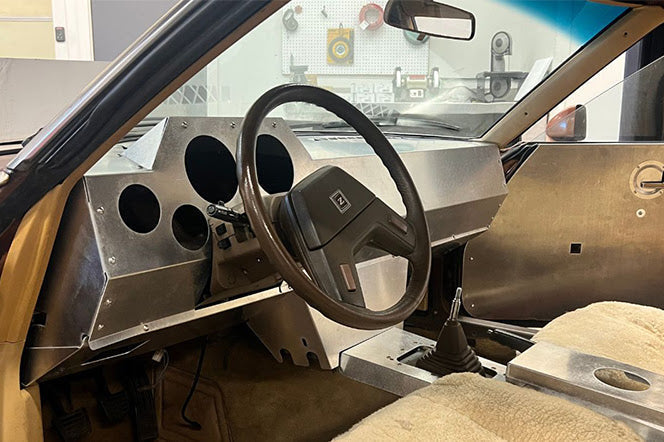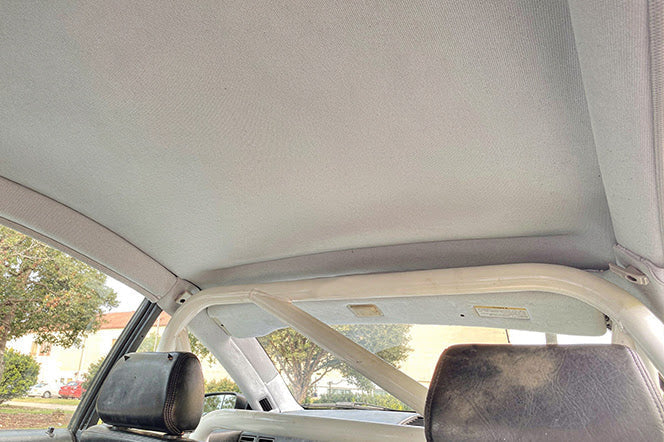


The wrong rails can cause problems with quite a few components on your car. Crash safety gets worse, the pedal reach turns into a problem, and if you're taller, there's a decent chance that your helmet will hit the roof liner as you close the door.
The mounting dimensions are different for all three of the Z generations, so I'll break down each one and explain how to calculate your total seat height when you order. Rail choice matters quite a bit because street cars and track cars have very different needs - some of the rail types work much better for street drivers, and others are built specifically for track use. Certified equipment will cost you more than the universal rails. But for weekend cruisers, universal rails can save you a decent amount of money without giving up much in performance.
Let's find the perfect seat rails to get your classic Z car set up right!
Table of Contents
The Factory Seat Mounting System
Your Datsun Z has four mounting points for each seat on the factory floor pan, and each one takes an M8 bolt. These bolts thread right into captive nuts that Datsun welded to the underside of the floor pan when the car was originally assembled. The spacing between these mounting points is based on a design that Datsun came up with back in the 1970s, and they kept it the same across the Z models after that.
All three generations of the Z-car share what amounts to the same basic mounting setup. Datsun created the design when they launched the 240Z, and it worked well enough that they carried it forward into the 260Z and 280Z models. A few small changes were made along the way. But it was nothing big. You'll run into some slight measurement differences between different model years, though they're very small - just a few millimeters in most cases. Those small variations are just the result of normal manufacturing tolerances and the small design updates that Datsun would make here and there during production runs.
Most aftermarket seat rails aren't going to line up with the factory mounting points on your Z right out of the box. You'll need adapter brackets to make the connection between those modern rails and your original floor pan locations. These adapters fill in the difference between where the new rails are designed to bolt down and where your car actually has the mounting holes underneath.

When you go and buy any rails or adapters, check out the condition of your mounting areas. Older Japanese steel has been exposed to weather and road conditions for decades at this point, and rust can be a big problem. Take a flashlight and crawl under the car to get a close look at each mounting point and check for any rust that's built up around the captive nuts. Make sure that the floor pan isn't starting to develop soft areas or holes.
The metal around these areas can rust out and get so weak that it won't hold a seat safely anymore. Damage like this requires the repair or replacement of those floor pan sections first, before you can start to put in a seat. That adds more work to your project. But there's no way around it. Safety isn't something you want to compromise on, though. A seat that tears loose in a crash because the metal underneath failed is a dangerous situation, and it's worth taking the time to prevent that from the start.
Pick the Right Seats for Your Car
Your Datsun Z-car came from the factory with seats that already had rails attached to them. The seat and the rail were one single unit, and the whole assembly bolted directly to the floor pan. Aftermarket seats are a different story - they're sold as bare shells, and they don't include any mounting hardware at all. You'll need to get a separate set of rails to connect your new seat to the original mounting points in the floor of your car.
Most Z-car owners replace their factory seats at some point because wear and tear eventually takes its toll. The side supports are usually the first to go - all that sliding in and out of the car compresses the foam and tears up the material over time. After a while, the seats lose their ability to hold you in place when you're pushing hard through corners like they did when they were new. A factory seat restoration is an option if you want to skip buying new ones. The challenge is that it has become pretty tough to find original seats in decent condition over the years. Most of these cars have been around for decades, and the seats usually show that wear and age.

Each year, more Z-car owners move toward aftermarket seats for these reasons. You can get fresh foam, brand new fabric and way better lateral support for about the same cost as a full restoration - and sometimes you'll pay even less. The challenge is to find the right rails that will work with your new seats and your car's floor mounting points. Rail systems aren't universal, so they won't fit every seat or every generation of the Z-car. You'll have to make sure that the compatibility is right if you want everything to bolt up the way it should.
Check The Clearance Before You Buy
Seat rail height is actually one of the biggest factors for comfort in a Z-car. Aftermarket racing seats that use standard bottom-mount rails sit about 2-3 inches higher compared to what the factory originally installed. Taller drivers (anyone around 5'10" or above) will run into headroom problems with that extra height.
The space between the seat and the roof is already pretty tight in these cars, so even a few extra inches matter. Pick the wrong rail, and you're going to feel cramped and hunched over every time you slide behind the wheel. Track drivers actually have it worse because they need to factor in their helmet, and that usually eats up another 1-2 inches of headroom.
Most rail systems fall into three main height categories. Low-mount rails drop your seating position to just below what standard bottom-mount designs offer. Extra-low rails take this even lower and can shave off another 1 inch compared to standard low-mount versions. Side-mount rails work differently because they attach to the sides of the seat instead of the bottom, and they'll give you the lowest seating position out of all three options.

The smartest move is to sit in the car well before any buying decisions. Planning to hit track days means you should bring a helmet along to the dealership or wherever you're checking out the car. Get yourself comfortable in your normal driving position and then measure the distance from the top of your head to the roof liner. This gap is what tells you how much space you're actually working with when you add a new seat and rail combination into the mix.
The rail system you go with is going to affect how far back your seat can slide. The lower-profile rails work great to drop your seating position down. But they usually give up some adjustability to get that lower height. Most of them just can't slide back quite as far as a standard rail can. This might not matter much for solo drivers. But anyone sharing the vehicle with a partner, family member or someone else who needs a different seating position should check the adjustment range before the final call.
Which Rails Work Best for You?
After you get your seat height figured out, the next big choice on your list is between sliders and fixed-position mounts. Sliders are adjustable rails that sit underneath the seat, and they let you move the whole seat forward or backward whenever you have to change your position. This can help if multiple drivers take your Z-car out from time to time, or if you like having the freedom to dial in your exact position later.
Sliders do have a couple of drawbacks, though. The rails themselves are going to add about 5 to 10 pounds to each seat. They also raise your seating position by roughly 1 inch compared to the fixed mounts. 1 inch doesn't sound like much at all, and in most vehicles it probably won't be a problem. Where it can become more of a problem is when you're already up against tight headroom - the extra inch might matter more than you'd expect.

Fixed rails are the exact opposite. With a fixed mount, your seat bolts right to the floor in one position, and that's where it stays - no adjustments. Most weekend racers go with this setup because fixed mounts are a lot more rigid, and they sit lower in the car compared to the sliders. When you're out at track days and pushing through the corners, these benefits actually matter in how the car feels.
Z-cars don't give you much interior space to work around. Slider rails can help with that. But even after the installation, the fore-aft adjustment is still pretty limited - we're talking about just a few inches before either the steering wheel or the rear bulkhead turns into a problem. With those kinds of constraints, fixed rails actually make plenty of sense if the car is yours and yours alone. The best strategy is to take your time with the measurements and be dead sure about your seating position before any drilling happens, because once those mounting holes are in place, that's where the seat lives.
When You Need the Safety Certifications
Safety certifications only matter for anyone planning to take their Z out to the track. For normal street driving, you won't need any certification at all. On public roads, you can mount your seats any way you want and not worry about what's officially mandated. Track days and racing events are a whole different world from your everyday commute. Every racing group and event organizer out there has their own standards for which equipment they'll accept. Most of them are going to check your seat rails before they let you out on the track, and they'll want to see the right certifications stamped on them.
The two main safety standards for seat rails are FIA and SFI, and each one has its own criteria for what qualifies as proper protection. FIA certification comes from the international motorsports organization, and most road racing events around the world will accept it. SFI certification is the American standard, and it's what you'll need for drag strips and plenty of grassroots racing groups. These standards test the rails pretty thoroughly to make sure that they take care of the extreme forces that happen during a crash.

Rails like the Bride Super Low Max and Sparco ADR carry these certifications and still manage to fit a Datsun Z the way they should. They'll mount directly to your floor pan with no changes needed, and they'll put you down into that low seating position that just feels right in the car. Certified rails will cost you a bit more than uncertified options, and most of that price difference comes from the testing and approval work that manufacturers have to go through to earn those official ratings.
Street driving with maybe a Cars and Coffee meet once in a while means you don't need to spend the extra money on certified rails. Anyone who plans on doing autocross, time trials or any wheel-to-wheel racing should get certified equipment from day one, though. I've seen plenty of drivers get turned away at tech inspection over this exact issue. Racing groups take these certifications seriously, and nobody wants to haul their car way out to an event just to get sent home because the rails don't have the right stamp on them.
Affordable Rail Options with DIY Options
Universal seat rails are going to save you plenty of money compared to direct-fit options, and the difference can be large. Places like Summit Racing and Jegs sell basic slider rails that usually cost between $100 and $200 - way less compared to what you'd pay for the parts custom-made for your car. The tradeoff is that you'll need to fabricate some custom brackets to mount them to your Z-car's floor, and lining everything up and installing it correctly does take a little bit of planning and some patience when you've never done this type of work before. As long as you're comfortable with basic fabrication and have the right tools on hand, it's something you can pull off. The Z-car community has come up with quite a few creative workarounds for this problem over the years. Miata rails are one of the most popular donor options because the width and bolt pattern match up well with what Z-cars need. Custom brackets machined from steel plates are another common way to go, and plenty of enthusiasts will scavenge compatible parts from other vehicles to get everything to fit right. It'll save you a few hundred dollars compared to what you'd pay for the direct-fit rails, and you're usually looking at between $400 and $600 or more total for the parts and materials you'll need.

The hardware you choose matters just as much as the quality of your welds. Grade 8 bolts are going to cost you a bit more money. But they won't snap under the stress that breaks cheaper bolts. That extra strength matters when something goes wrong. All these little details play into how safe you're going to be when you're actually out there driving.
Custom rails or modified donor parts will save you some money, and when you get them right, they work just as well (or better) compared to what came from the factory. These projects require attention to detail, though, because even small mistakes can cost you time and materials. Before you do any permanent modifications like welding or drilling holes, take the time to test-fit everything multiple times.
Make sure that the seat height and angle actually work for your body, because once you've welded the rails or drilled the mounting holes, it gets way harder to go back and fix what you did wrong.
Build Your Dream Car
The way you sit in your classic Datsun has a huge impact on your driving experience. What separates a mediocre drive from one that makes you grin every time you hit the throttle usually depends on just a few small adjustments that drivers miss a lot.
These classic Z-cars give you plenty of freedom to set them to fit you. What feels right in your car depends on how you'll drive it, what your body should be comfortable with on longer trips and what experience you're after when you're behind the wheel. Maybe you're building a weekend canyon carver, or maybe you want something that lives at the track, or you just want your everyday commute to feel a whole lot better. Whatever you're trying to accomplish, the aftermarket has plenty of parts that are available to dial it in.

At Skillard, we've built a strong reputation with Datsun enthusiasts who want to turn their Z-car vision into a reality and make their builds stand out. We make parts exclusively for the 240Z, 260Z, 280Z and other classic Datsun models, and every item in our catalog was made with your car in mind. Bumpers, aluminum door cards, center consoles, spoilers - we have the pieces you'll need to take your project from something solid into something great. Check us out at Skillard.com to browse through our full parts lineup and see what's actually possible for your build.