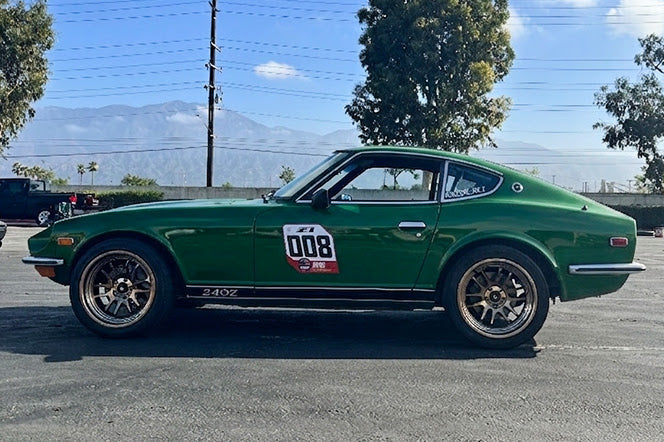

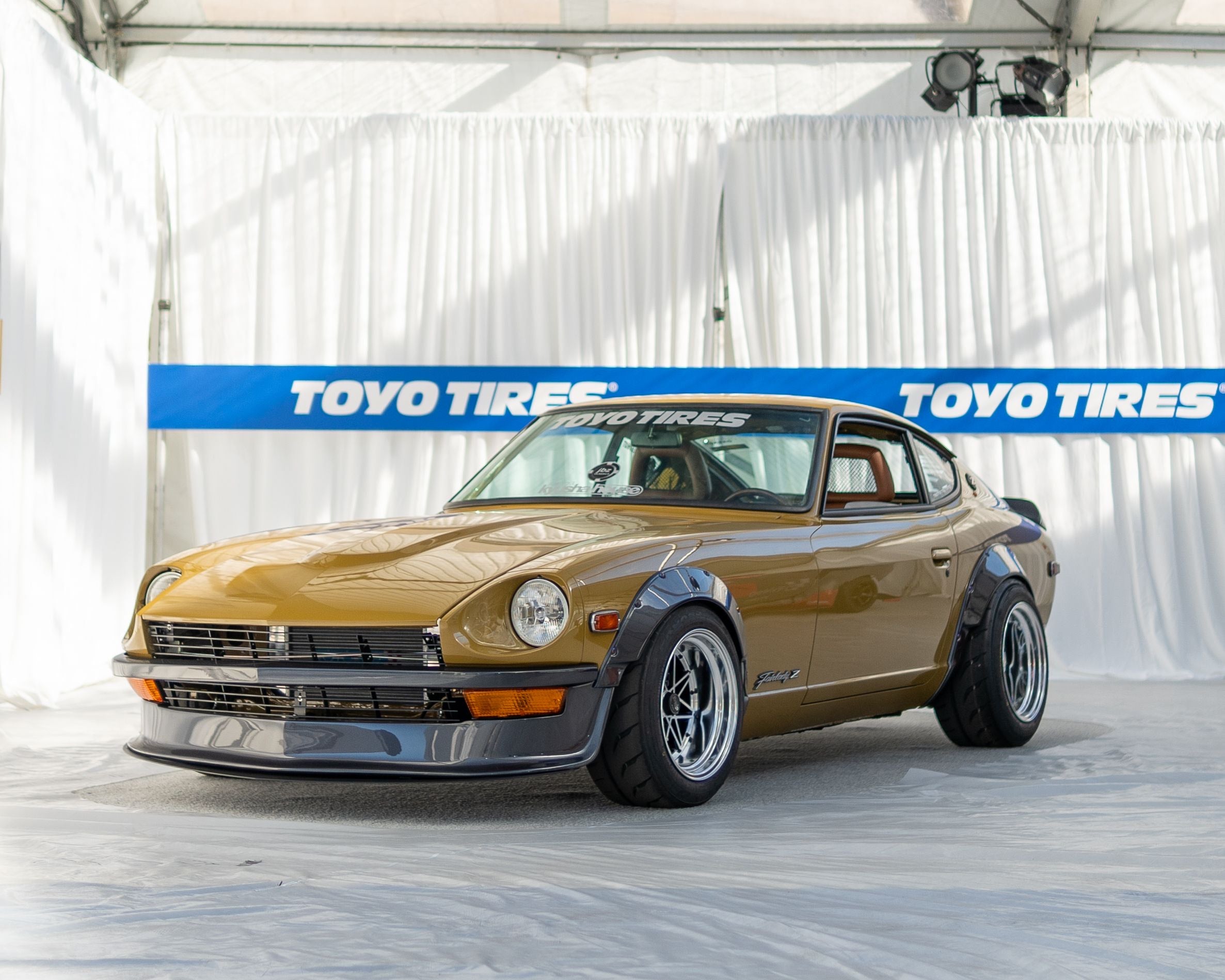
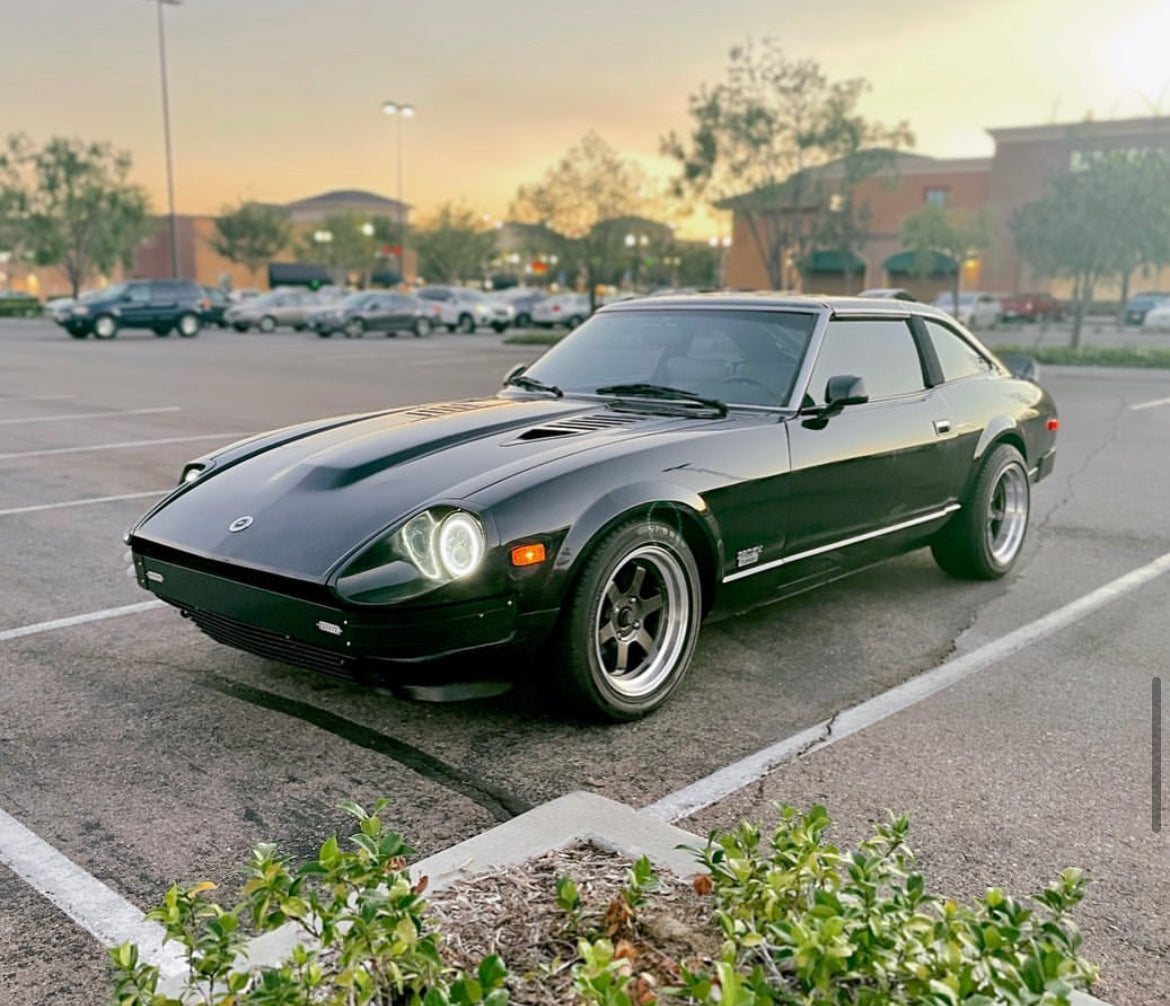

Taillights for a Datsun S30 are hard to shop for. The 240Z, 260Z and 280Z all left the factory with their own lens setups. The reproduction quality swings wildly from one supplier to the next, and the modern LED path introduces wiring problems that no one had considered in 1972. For owners who want this done right, the number of variables can stop a project dead before it gets very far.
Part of what makes it worth doing right is that the taillight sits on one of the most visually balanced sports cars Japan has ever built. A cracked lens, a mismatched replacement or a poorly done LED conversion can drag down an otherwise great build - and owners of these cars are the type who notice details like that.
Once you have a sense of where you want to go with the build, the decisions get much easier to work through. A numbers-matching concours restoration will have one set of factors to weigh. A restmod that keeps the classic silhouette but swaps in modern lighting internals will have a whole different set. The JDM-flavored path opens up some alternatives that most American S30 owners never actually look into. All three of these directions mean some trade-offs (in cost, availability, fitment and long-term reliability), and it's worth thinking through those trade-offs before you spend any money or pull a single wire.
I'll talk about all three directions here, so whether your S30 is a weekend driver, a full concours restoration, or something in between, the right set of taillights is out there!
Let's get started on the taillight upgrades available to make your S30 look its best!
Table of Contents
How the S30 Taillights Changed Over Time
The Datsun S30 had a fairly long production run from 1969 through 1978, and the taillights went through quite a few changes over those years. It pays to get at least a little familiar with what each generation actually looked like before shopping for upgrades or replacements.
The earliest 240Z models came with a three-lens cluster on each side - three round lenses stacked vertically, one above the other. The whole assembly had a clean and almost minimal look to it - its restraint is a big part of why plenty of enthusiasts still regard those early units as the definitive look of the S30. Very few designs age that gracefully, and it's had decades to prove it.
The 260Z arrived in 1974, and its taillight shape had already started to drift from what set the original apart. A year later, the 280Z landed in North America and moved even more in that direction. The lenses got wider and more rectangular, largely to fill out the new rear bodywork that came with it.

The 240Z taillights have a tight and considered quality to them - almost as if every millimeter was put where it needed to be. The later units spread out across a wider tail section and become part of a broader design. Neither direction is a mistake - they just give each generation its own personality from the rear.
That distinction matters quite a bit once you're in the market for replacement or upgraded lenses. A part designed for a 280Z rear panel won't fit a 240Z without some modification, and the same is true in the other direction. The rear bodywork changed between those two generations, and the parts just don't cross over. Make sure you know which generation you have before you order anything.
How Your Taillights Fade and Crack Over Time
Plastic taillight lenses don't age well on any car, and the S30 is no exception. After decades of UV exposure, the plastic will start to yellow and fade pretty noticeably. The engine bay heat doesn't help either - eventually that thermal stress builds up and the lenses will start to crack.
Few experiences are more discouraging for an S30 owner than pulling a car out of long-term storage to find the taillights in rough shape. Lenses that looked fine when the car went away can come back cracked, brittle, or so faded that the red has gone almost pink. The plastic gets fragile with age, too, and at that point, just a light clean can make pieces chip or flake right off.

On top of the cosmetic concerns, a cracked or heavily faded lens actually makes your brake lights and turn signals noticeably less visible to the drivers behind you - it's a genuine safety concern once the car is back on the road. Faded red plastic just doesn't let light through the way it's supposed to, and at night, especially, it matters in how well your brake lights are read from a distance.
Your taillights can quietly work against an otherwise well-put-together car. Fresh paint, clean bodywork and a clean interior can all start to feel less sharp once the taillights look worn and faded. The rear end of an S30 is one of the most recognizable features of the car, and it deserves the same level of care as everything else.
LED Bulbs and a Fix for Hyperflash
LED bulbs are usually the first upgrade on the list when anyone starts to work on the taillights of an S30, and the reasons are hard to argue with. You get more light output, a faster response when you hit the brakes and a much lighter draw on the car's electrical system - those three benefits alone make a case for the swap.
One of the first issues that you run into after the switch to LEDs is something called hyperflash. Swap a standard bulb for an LED, and the turn signal starts to blink almost immediately at a frantic rate. The factory flasher relay uses electrical load as a way to control its blink speed, and since LEDs draw so little power, the relay just reads that low draw as a dead bulb.

Fortunately, you have two ways to sort it out. The first option is to add load resistors to the circuit - these pull the electrical draw back to a level that the original relay will read correctly. The second option is to swap the flasher relay itself out for one that's designed to work with LEDs, which you'll usually find marketed as an electronic or LED-compatible flasher relay. Either one will get the job done, and which one makes more sense for you mostly depends on how far into the wiring you want to go.
To start, it's helpful to have a picture of what you're actually after. An easy bulb swap makes sense if better light output is the job and you want to keep the factory look. If an upgraded housing or an aftermarket taillight assembly is already on your list, then the bulb choice is one part of a bigger project.
Full LED Taillight Kits for the S30
These are assembled, and ready-to-install units that fit directly into your existing S30 taillight housings - no modifications are needed. You get the output and reliability of modern LED lighting, and the original factory look stays as it was.
With that said, these kits are not going to work the same way for every car. The S30 went through a few production years and picked up some actual changes along the way - a kit that fits a 1970 240Z without any problems might not line up the same way on a 1974 260Z without a little extra work. The differences are usually minor. But they can matter with the fit and finish. Before you place your order, it's worth a few minutes to verify compatibility for your exact vehicle.

The wiring is the other piece to sort out ahead of time. Some kits are nearly plug-and-play, and others take a resistor or a small wiring adjustment to work with the original harness. Neither one is a dealbreaker - it's mostly just a matter of what you're in for before the install, and a little advance prep makes the whole process go quite a bit smoother.
When modern performance matters just as much as classic looks, these kits land in a pretty comfortable middle ground - and from what I've seen, they're one of the cleaner upgrades available for the S30 that don't actually change what makes it look right.
The JDM Fairlady Z Taillight Swap
If you're taking your S30 in a slightly different direction, the Japanese domestic market Fairlady Z taillights are worth a look. The basic shape is the same as the US-spec versions. But the lens color and trim are a little different and give the rear end a more understated look.
It's a slight difference - the sort of detail that only registers with anyone who knows the car well. For owners, that's just the appeal.
The harder part is the search for a set. JDM taillight assemblies don't come up for sale all that frequently, and even when they do, the condition on them can swing pretty wildly. Your best leads are going to come from Japanese auction sites, import dealers or from the more well-connected members in S30 forums - those communities usually know when a set is moving. A rough budget number is worth setting before the search even begins because patience will play a role in this one.

The visual difference between JDM and US-spec units is real. But it's slight enough that most would walk right past one without a second look. If part of the draw is a build with something a little less common, then the extra effort to track one down is probably worth it to you. For a more functional focus or just a clean restoration, other taillight options later in this list are going to be much easier to find.
Reproduction Lenses Make the Job Easy
Reproduction lenses have changed quite a bit about what's possible in the restoration world. Not too long ago, the only option to track down a clean set of original taillights was to spend weeks in the classifieds and swap meets - and even then, plenty of owners still came up empty. Today, quality reproductions are easy to find, and they make it a whole lot easier to get a car back to looking right again.
With that in mind, the fit and optical quality can vary quite a bit depending on where you get them from. A well-made reproduction will sit flush in the housing and let light pass through evenly, with no distortion, no weird color changes and a reliable output all the way across the lens.

It's something that's easy to miss until you're already holding the part. Some reproductions photograph beautifully but arrive with gaps or a color tint that's just slightly off from the rest of the car. Before you settle on a brand or a seller, it's worth a look through owner forums and S30 communities - other owners have probably already been down this road and are usually happy to share what worked and what didn't.
For most owners, reproductions are just the most sensible way to go. Originals in decent shape are very hard to find, and an LED conversion is probably more than you need if all you want is for the car to look right and be road-ready. If your lenses are faded, cracked, or just too far gone to save, a set of reproductions will get you most of the way there - and without a whole lot of effort.
Reproduction quality has come a long way over the years, and for most builds, a repro lens will get the job done just fine.
Find the Taillight Setup That Fits Your Build
Before you settle on a taillight setup, it's worth asking yourself what this car means to you. A question like that can seem small - even unnecessary. But it's what ends up quietly shaping the decisions that come after it.
A concours restoration and a weekend street build are two very different animals. For anyone who cares about historical accuracy, original or correct-spec lenses are the only path worth taking - and there's no reason to compromise on that. Reproduction parts and period-correct hardware are made for just that reason. Plenty of great suppliers out there focus specifically on that market.
That said, if the car sees regular miles, modern LED conversions and updated wiring can noticeably improve visibility and reliability. A work-first strategy is a valid call - especially if the car spends any time in traffic.

Budget factors into this, too. A full OEM-style restoration with NOS parts can get expensive fast, and a clean LED retrofit will usually land at a much lower price point. Neither path is wrong - it can just depend on what you want to get out of the build.
The goal is easy - to match your taillight setup to the car that you actually have (not the version that you're planning for two years from now). A show car that's under event lighting has very different needs than one that's out on canyon roads every weekend. Neither direction is wrong, and the S30 works well with both. What matters is that your choice fits where your build is headed - that level of detail is what makes a finished project feel like every call was intentional.
Build Your Dream Car
Every S30 build is a little different from the next, and in ways that's one of the best parts about these cars. Whatever you have (a clean set of reproduction lenses, a full LED conversion or a JDM taillight assembly that you spent the better part of a year tracking down), the right answer is always going to be whatever fits your particular build and the way that you actually use the car. That answer is different for everyone. It's worth keeping that in mind when the options start to pile up, and everything starts to feel like a bit too much.
A car that turns heads is usually one where every little choice was made with actual intention. That level of care tends to be just what others pick up on.

Parts quality matters just as much as the decisions themselves - that's just where we come in. At Skillard, we design and build custom parts made just for Datsun S30 vehicles - the 240Z, 260Z, 280Z and other variants in the lineup. Our catalog is pretty deep with options like bumpers, aluminum door cards, center consoles, spoilers and quite a bit more. If your build has just started or you're deep into the final stretch of a long project, there's something in our catalog that's worth a look. It's one of the better resources out there for S30-focused parts. Check us out at Skillard.com to browse everything we have available and find the pieces that pull your build together.