
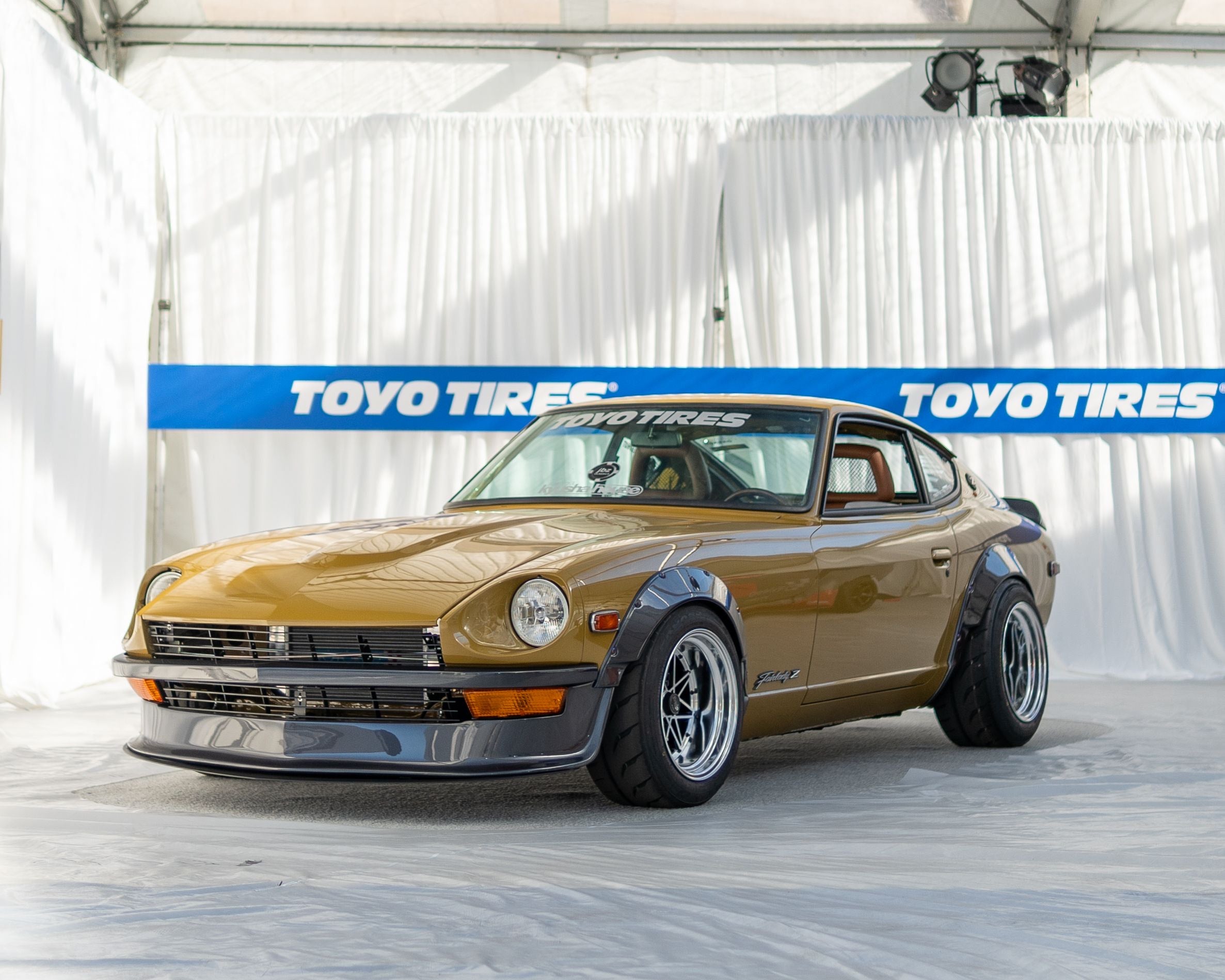
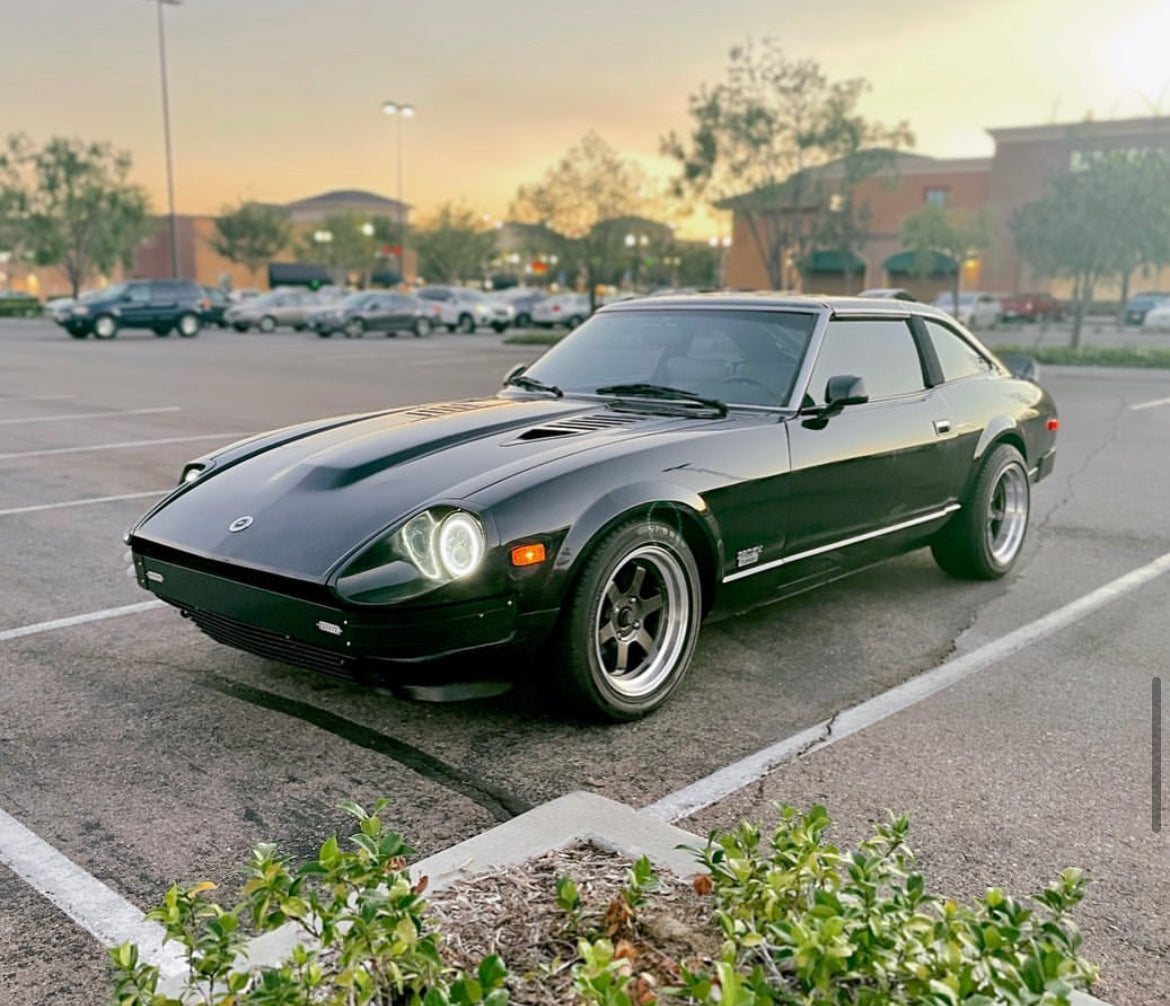

Many Datsun S30 owners love to remove their side markers. But this project actually takes a lot more work. The amber and red side marker lenses on your Z car aren't decorative pieces that were just stuck on with adhesive - they're federally required safety equipment, and they were installed into rectangular mounting holes that were cut into the sheet metal at the factory in 1970. When you pull them off of the car, you're going to be left with exposed wiring to take care of, fairly large rectangular holes in your fenders that need to be filled and smoothed out, paint matching work on a finish that could have been 50+ years old at this point and you might even make your Z illegal to drive on public streets depending on where you live. I see plenty of owners who start to realize just how involved this modification is after they've already disconnected everything and removed the marker assemblies from the car.
Owners want this modification for a reason. Japanese-market S30s didn't have these markers from the factory, so the body lines flow without any breaks or interruptions in them. They look sleeker and a lot more intentional that way. But to get that same look on your car, you'll need metal patch panels to be welded into place, professional bodywork and somebody who actually knows what they're doing with the electrical system. Cut corners or try to save some money by just slapping some body filler on and calling it done, and you're going to wind up with patches that are pretty obvious. They'll start to crack within a few months anyway, and at that point, you've damaged your resale value way worse than keeping the original markers on ever would have!
Let's talk about the whole process from the legal side right through to the final coat of paint. You'll need to understand each step, what can go wrong along the way and why some of the shortcuts that owners take don't work out. Whether you're planning to do this yourself or hire somebody else for it, you should know what goes into a clean deletion so you can set realistic expectations for the time commitment and the budget you'll need.
Let's talk about the basic steps to remove those side markers cleanly!
Table of Contents
Check the Laws Before You Start
Legal issues need to be at the top of your list when you do anything with these. Vehicle laws say that you need them as a safety feature, and as far as the law is concerned, they need to stay on your vehicle.
Taking them off could make your car illegal to drive on public roads. Most states actually have a law that says vehicles made after 1969 need to have working side markers. Since your S30 was built after that year, this law applies to your car as well.
Insurance might also cause you some problems. Getting into an accident could cause problems when the adjuster sees your side markers are missing - filing your claim might become a lot harder. Your vehicle will also fail inspection in states with annual safety checks when those markers aren't installed or broken.

This type of modification works best for track-only cars or show vehicles that won't be driven much on the street. Driving your Z on public roads all of the time without these markers means that you'll take on some legal risk. Shipping your car to a country where these markers aren't needed is another situation where this could make sense.
When you're ready to make any decisions about this, make sure that you check what your local laws say first. Every state handles this a little bit differently, and how strict they are depends on where you live. Some places are pretty lenient about it, and others will automatically fail your inspection without compliance. Whatever the laws are in your area, those will determine whether you'll pass or not.
How to Remove the Side Markers
After you've handled the legal side, the removal process is pretty simple as long as you work through it carefully. The front side markers are going to be much easier to remove because they're a lot more accessible from the outside of the vehicle. Just crank your steering wheel as far as it goes to one side, and it creates plenty of space for you to reach in through the wheel well and access everything you need.
The rear markers are going to take a little bit more work. You'll need to remove some of the interior trim panels so you can reach the back of the assembly. Be careful with those trim pieces, though - after decades of sitting in the same place, they get brittle and can crack or break without much pressure at all.

Take care of the wiring harness first before you touch any of the bolts or screws. Disconnect it slowly and gently - by this point in its life, the connector and the wires themselves can get pretty brittle. Once the electrical connection is safely out of the way, you can move on to removing the mounting hardware.
Each marker assembly is held in place with a couple of screws or nuts, and each vehicle model might use a different type. Just remove them one at a time and be careful not to let any of them roll off into oblivion somewhere under your car - they can be almost impossible to find again. Also, make sure that you're holding onto the marker itself as you take out that last fastener, otherwise it's going to drop straight down and might scratch up your paint.
Check the edges around the mounting area. The paint in those areas has been covered and protected for quite a while now, so it's actually a lot more vulnerable to chips and scratches. Take your time and move slowly and steadily in tight spaces like these. After you pull everything apart, save the original hardware and marker assemblies. Get yourself a decent box or a bin and store them somewhere safe where they won't get lost or damaged over time. A lot of future owners want to have these cars as stock as possible, and having the factory parts on hand helps with restoration work.
How to Deal with Loose Wires
After you pull out the side markers, you'll be left with loose wires that need to be dealt with. You can do it in one of two ways, and either one works fine based on how much effort you want to put in. The first way is to trace each wire harness way back to where it meets up with the main loom and then pull the entire harness out from there. The second way is much easier - just cap off those wire connectors and tuck them away somewhere out of sight.
Exposed wires are a big problem if you just leave them hanging around without any protection. Any bare wire that touches a metal surface can short out the whole electrical system in your vehicle, and you don't want that headache. Leftover wiring only gives you two options - either pull the entire harness out or cap off each wire to isolate them.

Electrical problems can be very frustrating to track down once they start happening. Bundle up any loose wires with zip ties or electrical tape and then run it all away from anything that generates heat or has moving parts. Do this right and your Z's electrical system will stay reliable and problem-free for a long time.
Metal Work for Large Fender Holes
After you finish up the wiring, you're left with large holes in the fender. These openings measure about 2 by 4 inches and are far too big to just slap some body filler over and hope for the best. Body filler holds up for a few weeks or months at best. But it can't take care of the stress that happens over and over. Every time you drive, the metal in your fender flexes just a little bit and over time, all that movement causes the filler to crack and eventually pop right out.
The best way for this type of repair is actually to weld in metal patches. You'll want to cut pieces from sheet steel that match the curves and the contour of your fender. After you have those pieces cut and fitted the way they need to be, you can weld them right into place over the holes. This way gives you a strong metal surface that's going to flex and move with the rest of the body panel, so it won't crack or separate on you later.

Once you're done with the welding, you'll grind everything down until the surface is nice and smooth and sits flush with the metal around it. Then the primer goes on to protect the metal from rust damage. The final step is to match your paint color as closely as possible and to finish it all up so it blends right in with the rest of the fender. When the job is done right, nobody should be able to tell where you made the repair.
A job like this calls for some pretty heavy-duty equipment - we're talking about a welder, an air compressor for your grinder and a few other tools. And you'll need to know what you're doing with welding and shaping metal panels. It takes practice to make those welds just right, and plenty of home mechanics don't have these kinds of tools sitting around in their garage. The experience needed for bodywork at this level isn't something that you pick up overnight, either. If welding and metal panel work aren't already in your skillset, a body shop is going to be your best bet for repairs like these.
Other Options to Full Side Marker Deletion
A full side marker deletion might sound like the perfect way to clean up your Z's appearance. It's not your only option, though. A few other methods can get you a pretty similar look and won't involve the bodywork, time and expense that comes with a full deletion.
Amber delete kits tend to be the most popular option for drivers who want to clean up their car's appearance. These kits allow you to replace those factory orange lenses with either transparent or smoked alternatives that better match the rest of your vehicle's styling. The change can be pretty striking - suddenly, your car has a much more refined, custom look compared to those bright orange markers that came from the factory. Another big benefit is that these kits give you the full functionality of your side markers, so they should still pass inspection in most states across the country.

JDM-style narrow markers are a great option if you want a cleaner look. These match the same style that Japanese-spec Z cars had straight from the factory. They still work just fine - you'll have functional side markers just like you're supposed to. The upside is that they're considerably smaller and blend in much better with the body lines, so they're far less noticeable.
Body-colored housings are worth a look if you'd prefer to keep the markers out of sight. The markers still do their job, but won't draw any attention to their place in the fender when you match the housing color to your vehicle's paint. Factory housings come in that bright orange color that catches your eye every time you walk past your vehicle. But color-matched versions let everything blend together really well.
Cost is always going to be a big factor when you pick between these routes and a full deletion. Most of these kits will run you between $50 and $200, and it's a pretty fair price for what you get. A full deletion can run anywhere from $600 to $1600, and that depends heavily on who does the work for you. Installation time is another big consideration. Most of these kits can be installed in a single afternoon without too much effort. Bodywork and paint matching can take weeks to get done right.
What Should You Expect for Time and Cost
The full deletion option can become a large investment for both time and money. Most body shops are going to charge you between $300 and $800 per side for this type of work, and what you wind up paying depends quite a bit on how tough your particular paint color is to match.
Plan on being without your car for at least 2 weeks or maybe a bit longer. The shop is going to need about a day to remove the side markers and weld those holes shut, and then the bodywork phase takes another few days after that - that's when they shape everything and smooth it all back out to line up with the original body lines. After the paint goes on, it needs at least a full week to cure so you can drive the car around like normal.

You should do both sides at the same time, and the color matching is the main concern. Paint fades at different rates based on which side of your car sits in the sun more throughout the years. Repair one fender now and wait 6 months for the other one, and those two panels won't match up by then. Every time you walk past your Z, you'll see the mismatch, and it's going to bother you.
There's one more consideration worth your attention before you jump into this project. Plenty of enthusiasts will try the deletion in their own garage because they want to save some cash on labor costs. But amateur welding and bodywork usually leave visible waves or uneven patches in the metal surface. Professional-level results on something like this actually matter more because any buyer is going to spend a fair amount of time walking around the car and looking over the bodywork for any imperfections or signs of poor work.
Build Your Dream Car
Side marker deletion is one modification that sounds pretty simple until you actually start to cut into your body panels. When you get to that point, you'll find out about bodywork - the kind where you have to fill in holes, blend paint to match your factory finish just right and live with the fact that you can't go back. After the markers are gone, it's not like you can just bolt them back on if you change your mind later that you want them. Before deciding, it would be worth it to look at a few other options if your local area has any laws about side markers, or if there's any chance that you might want to undo this modification later on. A lot of S30 owners just love that clean, European-inspired look, and it really makes your car look more aggressive when you're at the track or showing it off. Before you commit to this, though, you'll have to know what you're actually in for. It's going to permanently change your body panels, it's going to cost you some decent money if you want to have it done right, and it could cause you some problems based on where you live and your plans for the car. Think about the direction you want to take this build in and then see if the deletion is the right move for you or if there's an easier option that would be a better fit.

Every modification you make to your dream S30 should get you closer to your vision and should fit how you drive it. Maybe you're after that streamlined race car look, or maybe you're gearing up for show season, or maybe everything has to stay street legal - whatever your end goal is, the quality of your parts is going to matter in how the whole build turns out. At Skillard, we build custom parts made for the 240Z, 260Z, 280Z and other Datsun models, and there are plenty of upgrades to match where your project is headed. From bumpers and aluminum door cards to center consoles and spoilers, our parts are built with quality and innovation in mind.
Whatever you decide about your side markers, make sure to stash those original parts away somewhere safe - you might want to swap them back in at some point. When you're ready to see what else is out there for your build, check us out at Skillard.com for our full catalog with all kinds of options that can help turn your S30 into just what you want it to be. Every Datsun build is different, and you should be able to find parts that actually fit with what you're going for and work the way they're supposed to.