

Plenty of S30 builders look at this choice backwards. They'll pick whatever looks nice or has the lowest price tag and ignore the other factors that matter just as much. Weight distribution, rust resistance later, how hard the installation will be, strength and durability - these all play into whether you'll actually be happy with what you bought.
A $400 fiberglass hood versus a $1,500 carbon fiber piece - the price difference is really big. The fitment matters too, though. Poor fit can mean 30 extra hours of install time on the cheaper option. Steel panels feel genuine because they are. They'll rust again just like your original parts did, though.
Let's talk about the pros and cons of each option to see which is best for your build!
Table of Contents
How Weight Affects Your Car's Handling
Carbon fiber hoods for the S30 are very light at around 15 pounds, and they're roughly half the weight of the factory steel hood at 35 pounds. Fiberglass hoods fall somewhere in the middle at about 25 pounds. Weight savings matter quite a bit for performance builds, so a carbon fiber swap will drop about 20 pounds off the front end of your car. Fiberglass will still save you around 10 pounds compared to the stock steel option, and for some applications, that's more than enough.
The weight distribution on the S30 already leans toward the front - we're talking about 53% up front and 47% in the rear. Pull some weight off the nose, and it balances it out better and matters in how the car drives. You'll get something more neutral and responsive, and it's what you want.
A 20-pound weight reduction up front matters in how the car actually feels when you're behind the wheel. The turn-in response gets much sharper and way more immediate as you point it into a corner. The whole car wants to rotate more willingly, and you'll feel way less hesitation as it settles mid-corner. When you drop that weight up front, it also does a great job at cutting down on the understeer that most S30s typically display when you're pushing them hard through a tight turn.

Where you remove weight from your car is as big a deal as how much weight you actually take off. Parts at the front of the car (like your hood and fenders) are going to have a much bigger effect on your balance than if you pulled the same amount of weight from somewhere else. Even a minor shift in the right place can change the way that your whole chassis behaves when you're pushing hard through corners.
Other panels that are in carbon fiber or fiberglass will push those gains even more. Front fenders are a perfect example here - switch them out to lighter materials, and you'll pull even more weight off of that same front-heavy area. Combine these modifications, and the car will drive way better with a lot more responsive steering to match.
Budget Facts and Parts You Can Get
Your budget will probably play an important part in how you figure out which material makes the most sense for your application. Steel panels can cost anywhere from about $200 to $800, and sometimes even more, based on the exact component you need. Tabco is one of the main suppliers for steel options. Fiberglass tends to fall somewhere in the middle of the pricing range - you can expect to pay around $300 on the lower end. But some parts will run you closer to $1200. Carbon fiber is definitely the premium choice in terms of cost. Most parts start at around $800 as a baseline. But it's not uncommon to see parts that go well past $2500.
Shopping for carbon fiber parts for an S30 Z car can be frustrating because of how limited your options are. Modern sports cars get a lot more love in this department because the manufacturers make carbon fiber parts for them in much higher volumes. The S30 market just doesn't have that same level of production behind it, and the smaller, more niche audience means you'll wind up paying more and waiting longer since you'll need to track down the carbon fiber upgrades for your build.

Fiberglass quality isn't the same across the board - not even close. You could buy two hoods at nearly identical price points and wind up with different results for the fit and finish. Part of this depends on the quality of the molds that each company uses, and part of it depends on whether they're willing to spend on better materials or if they go with cheaper alternatives to keep their costs low. Before you hand over your money, it's worth it to check out who's actually making the hood you're looking at and what their reputation is like.
Steel is going to be your best bet for availability. Most traditional restoration suppliers carry a solid selection of steel panels and parts, and you'll be able to track down what you need without spending a lot of time searching around for it. The supply chain for steel parts is well developed at this point, mainly because enthusiasts have been restoring these cars for decades. The market has had time to mature and stabilize.
Materials That Stop Rust for Good
Rust is going to be the main priority on your mind when you pick out materials for an S30. S30s are well known for rotting out in the exact same places on almost every one. The battery tray tends to go first - acid and moisture build up in there and just eat away at the metal over time. The frame rails are right behind it as a problem area. Road salt and water sit in there and never fully dry out, and it speeds up the corrosion pretty fast.
The rear quarters and floor pans rot out just as reliably. Water gets trapped in these areas and just sits there, and over time, the metal can only take it for so long before it finally gives up. Ask any S30 owner about rust, and they'll point to the exact same places - these cars all seem to corrode in predictable patterns.

Fiberglass and carbon fiber panels are smart options if you want to get rid of the rust problems on your vehicle. Swap out a rusty section and replace it with either of these materials, and that particular piece is never going to rust again - which is obviously a big advantage. But they conceal rust that continues to spread and damage the metal structure sitting underneath them. Swap a quarter panel for fiberglass, and the frame rail sitting behind it could still be corroding away, where you can't see what's going on.
Steel replacement panels are going to bring rust right back as a problem that you'll have to handle all over again. The new metal will corrode eventually, just like your original panels did, unless you take steps to treat it properly up front. Products like POR-15 or a quality epoxy primer are what you want to use for sealing the steel when you install it. This preparation does add extra time to your project, and it bumps up the cost a little bit. What you get out of it, though, is strong protection for your work that can last for years and years.
The material you pick controls whether rust stays a concern or whether you can stop worrying about it completely. Go with fiberglass or carbon panels, and rust isn't part of the equation anymore - those materials won't corrode. Steel is a different story. You'll need to take care of it with protective coatings and watch for any areas that might develop over time. Rust will always be something that could happen on these cars.
Parts That Need Some Work
Aftermarket body panels for an S30 don't usually fit just right when they arrive at your door. Fiberglass pieces are especially notorious for this, and they usually need a fair amount of prep work so you can install them on your car. You'll spend a few hours with a grinder and some body filler just to get the panel edges to line up the way they should with the rest of your bodywork. Misaligned mounting holes, uneven gaps and rough edges are all pretty standard with these aftermarket fiberglass parts. It's just part of the process, so make sure to factor in that extra time for the test-fitting and finishing work.
Panel gaps are another headache that you'll run into. A swap that looks simple on paper can eat up your entire afternoon as you test-fit everything and adjust the alignment until it lines up right. The original mounting points on a car this old have moved around quite a bit over the years, and even parts that get sold as direct replacements are going to need some convincing before they sit flush the way that you want.

Carbon fiber looks great. But it comes with its own challenges on top of the installation and fit. The material needs a professional coat applied over it to protect it from UV damage and also to bring out that signature pattern that everyone associates with carbon fiber. Quality shops will charge you quite a bit for this service, and there's a reason why - to get that finish perfect takes skill and plenty of experience. A DIY attempt in your garage or driveway will almost never deliver the results that you're after.
Steel replacement panels can be all over the place in quality and fit. Different manufacturers produce panels with different levels of accuracy, and some of them are going to line up with the original factory dimensions much better than others will. Price isn't a reliable indicator of how well a panel will fit. Reviews from other owners can be really helpful here, so it's worth doing a bit of research before you buy.
The term "bolt-on" comes up a lot in the Z car community, and it can be pretty misleading if you take it at face value. Most parts are going to need at least some adjustment or fiddling around before they'll actually fit the way that they should. These cars have been around for about 5 decades at this point, and every one has warped, shifted or settled differently over the years. A part that lined up just right on a 1972 model when it was brand new won't fit quite the same way on that same car today, even if you're installing brand new reproduction parts that were manufactured to line up with the original factory specifications.
Best Material Choices for Your Build
Most experienced builders don't use just one material for the entire car - they'll actually mix and match based on what each section needs. Steel is your best choice for the hidden structural parts, like your floors and inner rockers, and anywhere that has to bear weight and take stress. Fiberglass tends to be a better option for the cosmetic parts that you'll actually see.
This mixed approach is a smart idea to keep your budget under control without settling for less. Many builders will use steel quarter panels so the body structure stays strong and rigid, and then pair that with a carbon fiber hood to pull some weight off the front end. The goal is to put each material in the areas where it performs the best.

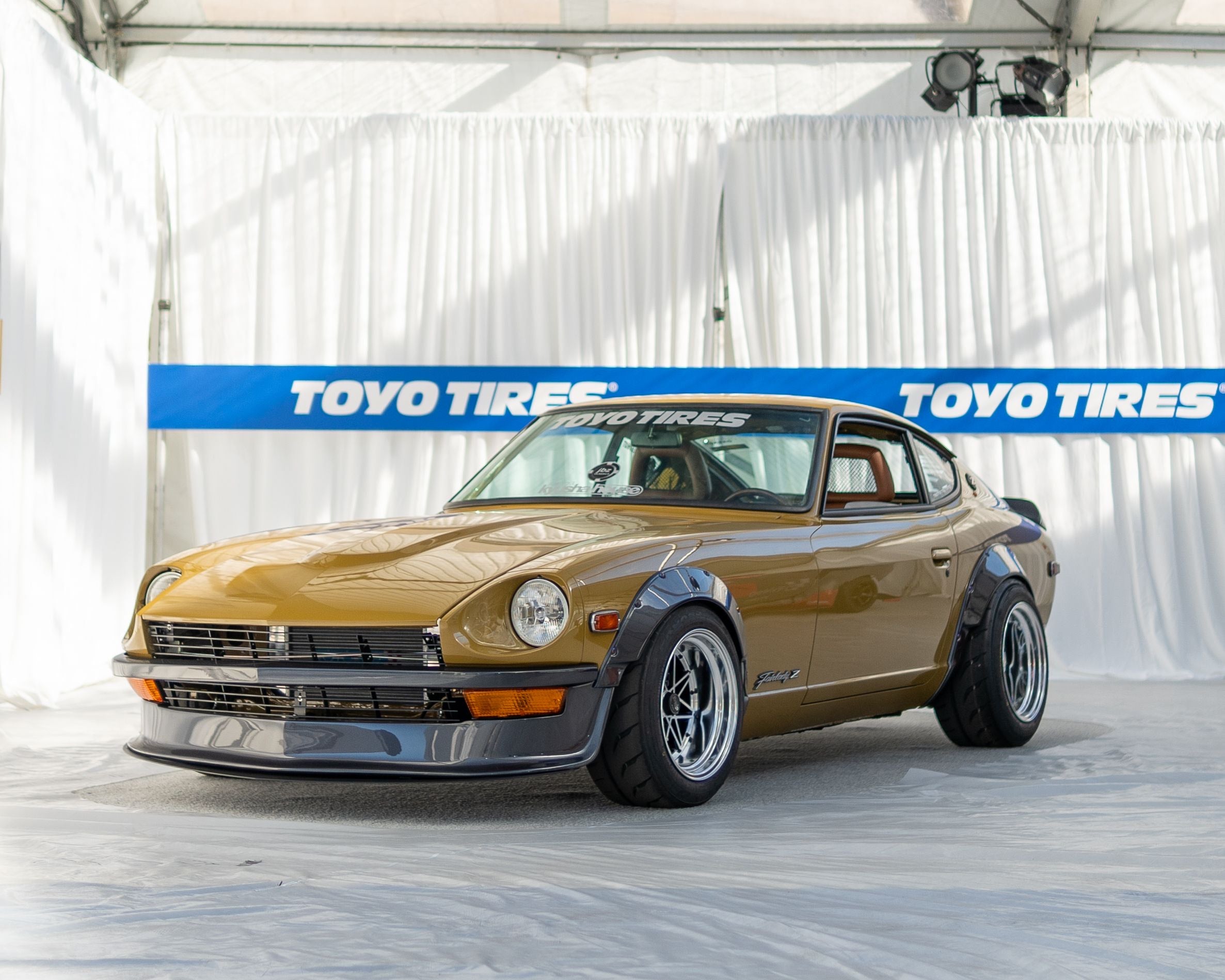
Fiberglass fender flares on a stock body are actually a perfect example of it. They make a real impact on the whole look and give your car a much more aggressive stance. The original factory metal underneath stays as is, though - you're not cutting or drilling into anything permanent. It's a solid way to update the styling without having to get into heavy bodywork or spend the extra money on carbon fiber alternatives that just aren't necessary for most builds.
What makes it work so well is the amount of control you have over where your money goes. You can use steel for the areas that need to be strong and to hold up under stress, and then pick lighter or less expensive options for parts that are mainly about appearance. The result is a car that performs well and looks great without blowing your budget on premium materials in places where you don't need them.
Build Your Dream Car
Steel, fiberglass and carbon fiber all have their own strengths, and which one makes sense for your build depends on what you're going for. Steel keeps everything authentic - it gives you that original feel and protects your car the same way it did when it first came off the line. For owners who want to keep the classic character of their build original, steel tends to be the right call. Fiberglass gives you plenty of flexibility with styling, and it won't eat through your budget the way that some of the pricier materials will. It's a great option if you want to get creative with your design without paying the premium that usually comes with high-end track-focused parts. Carbon fiber is the lightweight king, and it sheds pounds in a way that shows up in the lap times and competitive builds.
The material you choose should line up with how you plan to use the car. A weekend cruiser that hits local car shows doesn't need the same type of panels as a dedicated track build, and those two are different from a full concours restoration where the judges look over every detail. Every material has some situations where it works best. Match your choice to how you'll actually use the car, and you'll get a build that fits with your goals. All three options will give you great results. They just need proper installation and any problems underneath taken care of first.

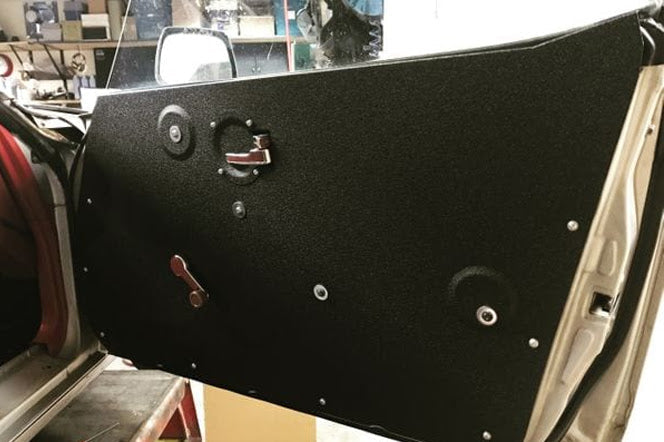
At Skillard, we make custom parts specifically for classic Japanese cars, and we've put together a large selection for Datsuns in particular. Our catalog includes parts like replacement bumpers, aluminum door cards, center consoles, spoilers and many other parts that can be hard to track down elsewhere. These parts work well for stock restorations and full custom builds, depending on where you want to take your project. You can browse through the full catalog over at Skillard.com to see what we carry that'll work for your particular car.