

Most S30 engine bays will show you what decades of heat and neglect can do to a car. Cracked wire looms wind their way around oxidized brackets, and thick layers of oil-soaked dust cover up what used to be clean metal surfaces. Judges at car shows will see this wear and tear right away, and a tired, grimy engine bay can ruin an otherwise perfect restoration before the hood even closes.
The standards for these Z-cars have climbed way up after they first showed up on the market. Show-quality examples command money, and judges are going to go over your engine bay with the same intensity they apply to panel gaps and paint depth. Most owners figure this out after the fact - that chrome valve covers bolted over a dirty firewall just draw more attention to the grime and neglect that hides underneath. A show bay takes careful one-step-at-a-time preparation, and you'll have to finish that work before any of the dress-up parts get installed.
Modern engine swaps add another whole layer of challenge to this. An LS or RB motor will give you serious power numbers - and a few fitment problems that the original L-series engine never had to deal with. Headers sit just inches away from your brake lines, turbos get hot enough to damage the paint on anything nearby, and aftermarket wiring harnesses usually look like somebody installed them in a hurry and called it done. What you want is modern performance that still looks right for the period - something that upgrades the drivetrain without losing what made these cars worth saving. The methods below cover the foundational work that gets skipped way too much and the small finishing touches that actually earn you trophies at shows.
Let's go through some of the simple tricks to turn your S30's engine bay into showroom perfection!
Table of Contents
Clean and Prime the Engine Bay
Pull everything out of the engine bay so you can get a clean workspace and actually see what you're working with. Take out the battery and airbox first, and then you can move on to disconnecting the wiring harness and fuel lines. Once that's all out of the way, you'll finally be able to see what condition everything underneath is in.
Once you have an empty bay in front of you, you can get to work on all that crusty buildup. Fifty years of oil leaks mixed with road dirt have created a layer of grime that's bonded to every surface, and it's not going to wipe away without a fight. A quality degreaser is going to be the best tool for this part, and you should give it some time to soak in and break down all that nastiness. Then you can start scrubbing. What you're after is to get back down to bare metal in any areas where rust has started to form.

Surface rust needs to be sanded away if you want to get rid of all that oxidation underneath. An 80-grit sandpaper is usually the best place to start because it'll knock down the heavier rust buildup pretty fast, and once you've tackled that, you can move to something finer, like 180-grit, to smooth everything out nicely. What you're after at the end is clean metal with just a bit of texture still on the surface. That slight roughness actually helps your primer stick way better. The rust is going to come back eventually and bleed right through whatever fresh paint you put on top of it if you skip it.
Apply primer to your bare metal as soon as you can - this will stop any new rust from taking hold as you're still working on other parts of the project. Etching primer (the kind made for raw steel) is going to be your best option because it bonds way better than standard primers do, and it gives you a strong foundation for whatever topcoat you pick later on. Once everything has dried, you can choose your final color.
After everything is stripped down and clean, it's time to check out those factory welds. Most of them are going to look pretty rough up close, and when you put fresh paint over the top, they'll show up even more than they did before. You can take a grinder to the worst ones and smooth them down a bit, or if you want a cleaner look, seam sealer works well to cover them up.
Add Shine to Your Engine Bay
The brake booster sits right up front on the driver's side of your engine bay, and it's one of the first parts you'll see when you pop the hood. Most factory S30s still have that original dull gray finish on these units, and it never looked all that great - even when the car was brand new. A little elbow grease and some quality metal polish can turn this part from something forgettable into one of the best-looking pieces under your hood.

Pull off the booster and sand away that old finish that's been sitting there. Work up through progressively finer sandpaper grits until the surface feels smooth to the touch. Then a metal polish and a buffing wheel will let you achieve that mirror-like finish. Or you can paint the booster to match your car's body color for a more unified, factory-integrated appearance. In either case, what you're doing here is turning this big component from a dull afterthought into a focal point that draws attention.
Most engine bays have aluminum parts scattered all around them, and each one is a chance to add some shine to your build. Valve covers are probably the best place to start because aluminum can look really sharp when it's polished correctly. Air cleaners and coolant reservoirs respond just as well to the polish, and once you've done them, everything under your hood is going to look a lot more unified and intentional.
Chrome plating works great for steel brackets and hardware pieces that would rust over time or start to look pretty worn down. The trade-off is that you'll have to send those parts out to a professional plating shop, and the cost is going to be quite a bit higher than if you handled the work on your own. Aluminum parts are a different story, though. With aluminum, you can polish everything yourself right there in your own garage with just some sandpaper and metal polish. You get to control how shiny or matte the final finish looks, and you'll save a fair amount of money in the process.
To keep that finish looking its best, you'll need to put in a little bit of routine effort. But it's not as hard as it might sound. A microfiber cloth and some quick detailer spray are all you'll have to have on hand for wipe-downs between your drives. Your finish will stay looking fresh and glossy for much longer. This prevents oxidation before it can even get started.
The polished look has deep roots in the racing heritage of these cars. SCCA racers from the 1970s would run polished valve covers and air cleaners on just about every build - it was just a part of the culture back then. A show-ready S30 with polished parts pays respect to that legacy, and it also happens to be one of the best ways to make your car get noticed at a meet or show.
Clean Up Your Engine Bay Wire Mess
Engine bays on most S30s usually turn into a tangled mess of wiring over the years, and it happens to be one of the fastest ways to take what could be a really clean show car and ruin the whole presentation. A well-built Datsun deserves way better than old, cracked wire looms and random zip ties barely holding everything in place.
Your first step is to replace those old factory wire looms with modern braided sleeves. Those original looms have been under the hood for 5 decades, and they show every bit of that wear. Modern braided sleeves are available in a few different colors, so you can match them up with whatever you have going on with your engine. Black is a safe choice for most builds. Red or blue look nice if you want to coordinate them with your valve covers or other accent pieces.

How you run your wires makes a big difference between a clean engine bay and a cluttered one. You want to tuck your wire bundles behind the bigger parts so everything stays out of sight. Run them along the frame rails and bracket edges instead of just letting them drape across the front of your engine. Also, make sure everything stays away from the exhaust manifolds and headers because melted insulation is going to create way bigger problems than a messy appearance ever will.
Throttle cables can be a pain to handle in modified bays, especially when you try to make everything clean and functional. A decent bracket setup holds the cable housing in place and routes the cable in a straight line to the throttle body. It beats the alternative - zip ties and cables lashed to whatever random component happens to be nearby. A decent bracket will only cost you around $20, and it changes how your whole throttle area looks and operates.
When your wiring is neat and well-organized, you can trace individual circuits and find the exact connections you need without having to dig through a massive, tangled mess. Snap lots of pictures before you remove any of the old looms. It's also worth it to work one section at a time instead of stripping out the entire bay all at once. Label each connection as you disconnect it, and the whole rewiring process will go much smoother and faster.
Pick the Right Paint and Colors
After you finish with the wiring, the next big choice is going to be your engine bay color scheme. You want to start with the engine block, and whatever color you land on is going to set the stage for everything else around it. Period-correct shades like Datsun blue will give you that authentic vintage look. If you like something more subdued, a modern black finish works well too. Whichever direction you go, just make sure that the rest of your parts complement that first choice.

Your headers and exhaust parts are going to need a high-temperature paint that will handle extreme heat without breaking down or flaking off after just a few months. I'd recommend products that are rated for at least 1200 degrees F if you're painting exhaust manifolds and heat shields. These parts sit right in the middle of the S30 engine bay, where everyone can see them, so if the paint starts to chip or peel, everyone's going to see it.
You'll want to powder coat your brackets, mounts and the smaller hardware pieces that add up fast. It'll give you a uniform finish that ties everything together, and it makes the whole bay look like it belongs together as one setup. Most powder coat shops out there can match your colors pretty closely, so you can get these different metal parts to look like they came from the same place. Durability is another big reason to go this way - these parts are going to get touched, moved and handled every time you're in there for maintenance work.
The prep and mask work might take a little extra time at the start. But it's really worth it if you want to paint the parts without having to remove them first. The best strategy is to apply a few light coats instead of trying to get full coverage in just one pass. Building up the finish with thin layers like this means you won't have to worry about drips and runs, and you'll have a lot more control over how everything looks when you're done.
You want to choose colors that actually work well with your exterior paint - not colors that fight against it. You also want to think about how everything is going to look under the show lights. Those bright overhead lights at the shows can wash out some colors, and other colors might look way too intense. Testing a small panel under the same type of light first shows you exactly what you're getting.
Small Touches That Make Big Differences
A clean engine bay is nice to look at, and a great one separates itself with the small touches most restorers usually miss. Emission decals and warning labels for your S30 come to mind. Even if your car doesn't need them anymore to pass inspection, it's still worth it to track down the correct ones for your build. These stickers won't really serve a functional use. But what they do accomplish matters more for authenticity - they make the bay look factory-correct and signal to anyone with a trained eye that you've cared enough to get every last detail right.
Component tags matter just as much to get right. Original-style hose clamps and fasteners will make an obvious visual difference next to the generic hardware you'd find at your local parts store. Reproduction tags and labels can be found through specialty suppliers who focus exclusively on Z cars, and they're well worth the effort it takes to track them down. These custom pieces tie together modern performance with the car's roots and history. Your engine could be decades newer than the chassis it sits in - and that's fine.
Hardware upgrades deserve some attention, too. Little parts like camber plate washers seem insignificant. But they can take your engine bay from cheap aftermarket parts to something more refined. Stainless steel or zinc-plated fasteners throughout the bay will make everything feel pulled together and deliberate. The price tag on these pieces is pretty modest. When anyone who knows their way around an engine bay looks at it, these small touches can change their impression of your whole setup.

Show judges will see these authentic touches even on heavily modified cars. Touches like these show that you made an effort to stay true to the car's heritage as you modernize and improve it. This work proves that you actually get what you're building and have genuine respect for it, instead of just using whatever random parts you could find on sale. Performance parts are easy to install - anyone with a socket set can bolt those on in an afternoon.
The builds that actually get recognized at shows are the ones where you can see this level of care and attention to detail throughout the entire car.
Build Your Dream Car
Your engine bay is one area on your car where the work you put in shows what sort of build you're going for. You finally pop the hood and get to see everything positioned just right, and it's one of the most satisfying parts of the whole project. It's each component in its right place, every wire routed cleanly and all your hard work on full display for anyone who cares to look.
Engine bay work is one of the few modifications where you get looks and performance at the same time. The improvements you put in now will save you hours of frustration the next time you have to diagnose a problem or swap out a failed part.
An engine bay makeover isn't an all-or-nothing sort of deal. You can take it slow if you want to. You can get a thorough cleaning and maybe some fresh paint to brighten it up. Once you're comfortable with how that looks, you can move on to the wiring and clean up those messy connections. Then you might want to add some chrome accents or other touches that match the era of your build. Everything you do makes the bay look better and better, and you get to work through it all on your own schedule. There's no right or wrong way to approach this, and that means you have plenty of flexibility to pick and choose what works for you and what actually fits your budget.

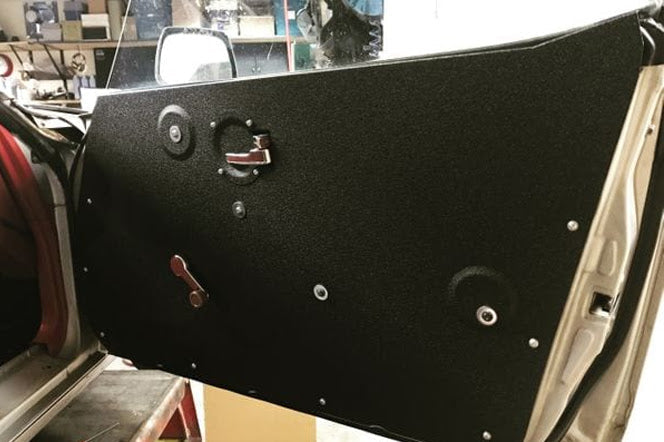
Once your S30 vision starts coming together, you're going to need parts that match what you're building. At Skillard.com, we make custom parts specifically for the 240Z, 260Z, 280Z and other Datsun models - the exact same cars that enthusiasts are restoring and modifying in their garages. Bumpers, aluminum door cards, center consoles and spoilers - we build everything with the same level of care that you're putting into your own project.
Check us out at Skillard.com to browse the full catalog and find what you'll need to take your build right where you want it.