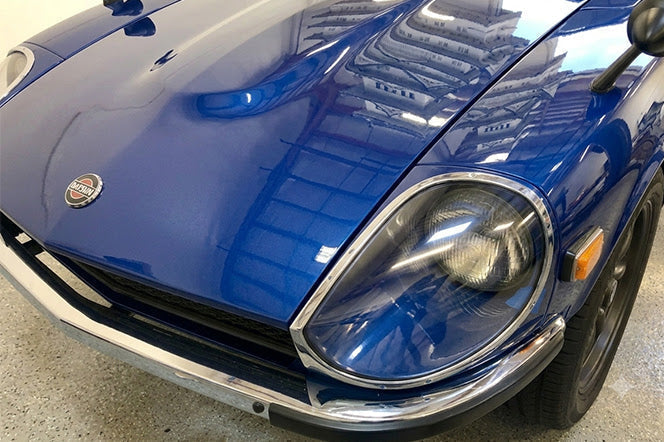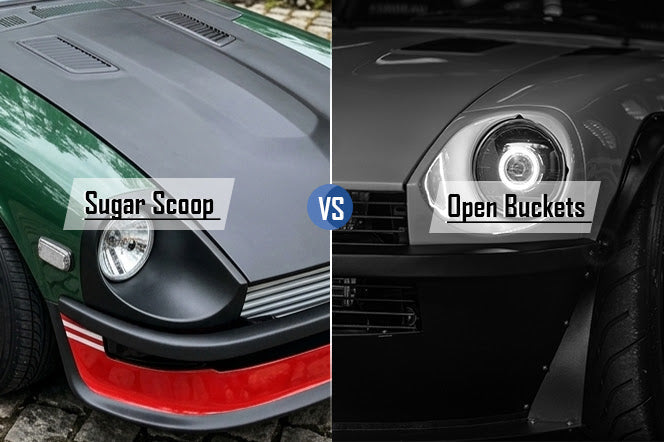

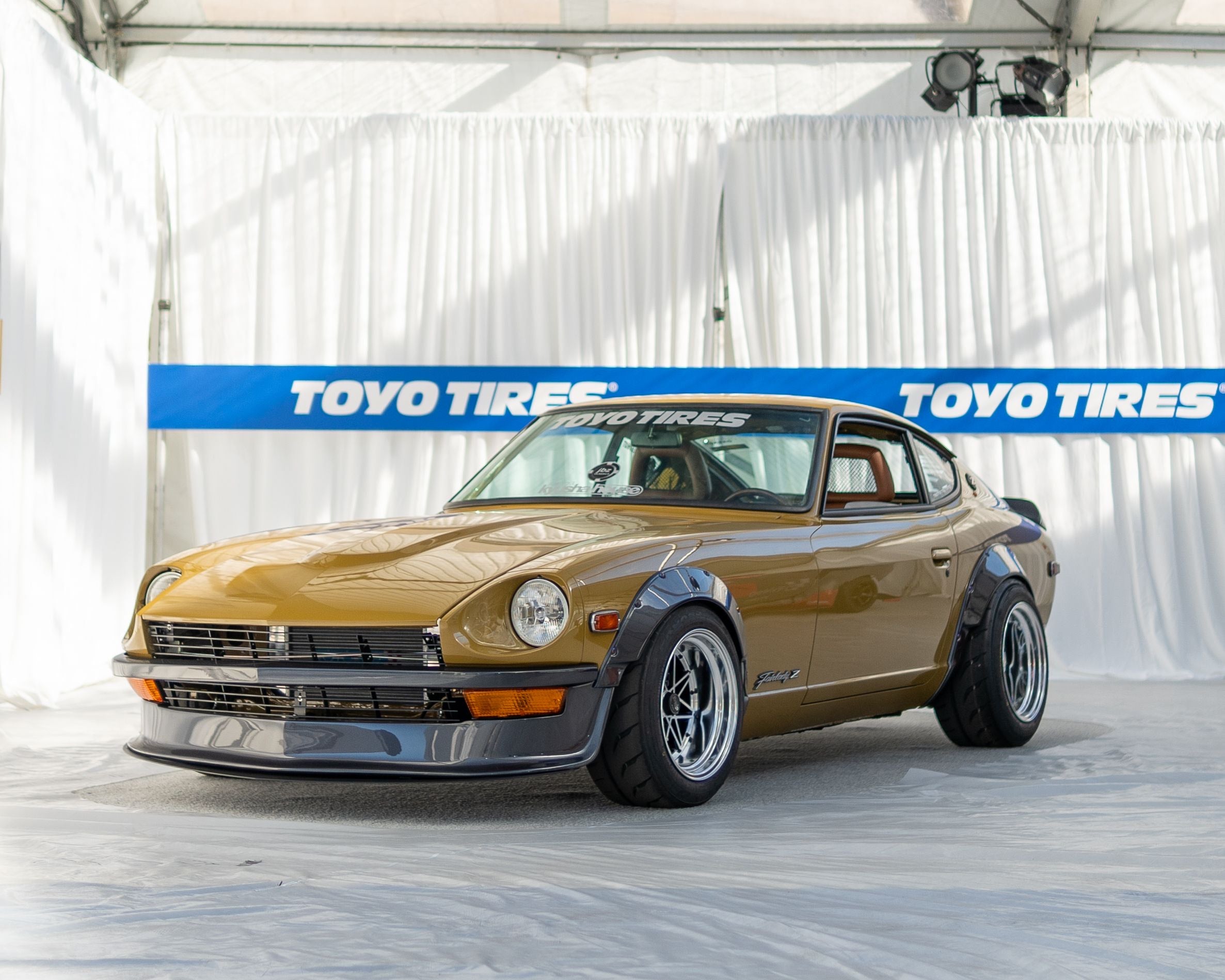
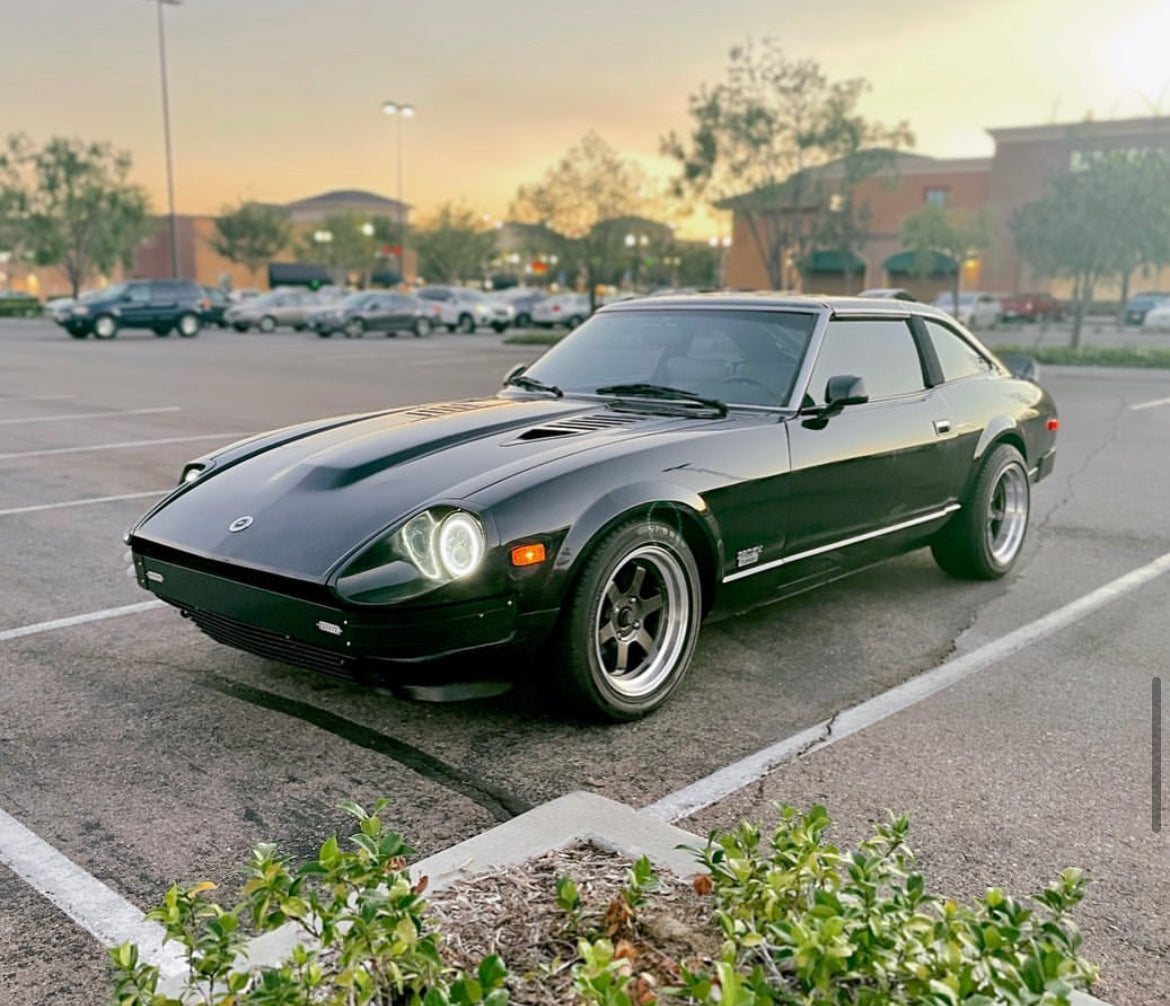

A pitted and rusty Datsun Z bumper can bring a restoration to a full stop. The chrome is tired and dull, and what's going on with the metal underneath is anybody's guess. From there, the path forward splits pretty fast - either rechrome it for that original factory look or paint it and save yourself some money in the process. Neither option is an easy call, and the wrong one can run you hundreds of dollars or slowly chip away at the car's value over time.
There's a lot going on here. Your budget, model year, rust severity and your long-term goals for the car can all pull you in very different directions at once. A numbers-matching 240Z destined for concours judging has pretty different needs than a 280Z that you want to drive hard on weekends. Quite a few owners have committed to a path without thinking through this, and a decent number of them have wished they'd taken a little more time with it up front - it's one of the more common regrets that I come across.
The bumper type alone can settle this whole debate before any money changes hands. The early slim chrome bumpers and the later large impact bumpers with their rubber guards are pretty different as far as a restoration plan goes - each one behaves a bit differently under the same strategy, and what works on one can be a mismatch for the other. A paint job that looks great on a big later bumper can look quite wrong on a slim early unit, and vice versa.
Let's talk about how the options compare so you can choose what's a fit for your Z!
Table of Contents
Find the Z Bumper Type You Have
Before anything else, pin down which bumpers you have.
The early 240Z and 260Z models (built between 1970 and 1974) came with slim chrome bumpers. These are fairly small pieces that sit tight against the body and give the car a pretty clean and finished look. The later 280Z, built from 1975 to 1978, went in a very different direction - large rubber or urethane-covered bumpers that were called for by the federal safety standards at the time. So the bumper work on each one of these generations is its own separate process.

That's a big reason why it matters to get the bumper treatment right. The slim chrome bumpers on the early cars were actually designed with rechroming in mind - their size and metal construction make them a natural fit for the process. The chunky 280Z bumpers are a very different situation - they're built around a rubber or urethane skin, which leaves paint as the only workable option. It's a common mistake to confuse which treatment goes with which generation, and it can be an expensive one.
Don't jump straight into researching prices or finishes only to wind up with a treatment that doesn't work for what's on the car - it's one of the most common and most avoidable mistakes I see on projects like this. Pull up a photo of your exact model or just walk outside and look at what's on it.
How Far Has the Rust Gone
Chrome is pretty sneaky at hiding what's going on with the metal underneath it. Datsun Z bumpers are a great example of this - the outer surface can still look pretty clean and presentable while the steel beneath has been slowly deteriorating for years from moisture, road salt and general exposure. A bumper can look just fine from the outside and still be in pretty rough shape where it counts.
Once the bumper is off the car, the first issue to look for is pitting. In most cases, the damage runs much deeper than the surface ever gives away. The chrome layer acts almost like a shell - the metal underneath can start breaking down long before anything shows on the outside.

The metal condition matters a lot in this process. Chrome shops won't accept a part in just any condition ( the steel underneath has to be in decent shape before any plating work can even start). By "decent," we mean it's structurally sound, with no deep pitting or corrosion working its way through the metal. When the base metal has deteriorated too far, repair or fabrication work has to come first, which ends up adding time and cost to the whole job.
You won't know the true cost of rechroming a bumper until after you've actually pulled it off the car. I see restorations get derailed by this regularly - somebody budgets for an easy rechrome job and then discovers the base metal had other plans.
The condition of your bumpers is what drives every other choice from here on. The rest of it gets much easier to work through.
The Real Cost of a Rechrome Job
Professional rechroming doesn't come cheap. A single bumper alone can run anywhere from $200 to $500, and the price tends to climb once the shop gets a look at the condition of the metal underneath.
That last part is worth keeping in mind. Chrome plating needs to go onto metal that's clean, smooth and in structural shape - it's not a finish that covers up dents or masks imperfections. If your bumpers have dents, surface rust or corrosion damage, a shop will have to address them before any plating can start. That extra labor gets tacked onto your bill well before the chrome work even begins. Owners don't account for this when they first see an estimate, and it can make the final number feel quite a bit higher than they were prepared to pay.

For some builds, that investment makes sense. A show car or a factory-correct Datsun Z restoration is a perfect example - original chrome is very hard to replicate with anything else. The depth of the finish, the way light moves across it, the way it reads as a piece that's been properly finished - that comes together into something that brings the car back to what it looked like when it left the factory.
That said, $400 to $1,000 or more for a pair of bumpers is no small amount, and it's worth being straight with yourself about what your car actually is. A weekend driver with plenty of miles on it has a very different set of needs than a show car that you're going to trailer to every event. Neither one is the wrong answer - they're just two different goals. Once you nail down what build you're working with, it gets much easier to land on a bumper budget that makes sense.
Paint and Powder Coat for Your Bumpers
Black powder coating has become one of the most popular finishes for Z owners who want something tough without having to pay chrome prices - it bonds right to the metal and holds up well against rust and road wear. The other big bonus is that it skips the whole multi-step plating process, which brings the total cost down quite a bit - and when you're working with a restoration budget, every dollar of that difference counts.
The later 280Z bumpers deserve a separate mention. The urethane end caps and fillers take paint quite well, and with the right prep work, a body-matched finish on these can look like it came straight from the factory. A painted bumper is one of the easiest ways to get a cleaner look across the whole car.

The blacked-out bumper trend has built up a strong following in the Z community over the last few years. A flat or satin black finish does something interesting to the front and rear ends - it makes them look more planted, purposeful, and aggressive without being loud about it. For plenty of owners, it's what finally ties the car's whole stance together in a way that chrome just never quite does.
At this stage, it's about direction and what you're going for with the finish. A painted or powder-coated part can blend right into the bodywork and almost disappear into the design, and chrome does the total opposite by pulling attention straight to itself. One gives you a custom feel - the other leans into that classic show-car gleam. Neither one is wrong - it just depends on the look that you're after. Paint and powder coat give you more creative freedom to take the build in your own direction, and the price point on either option tends to leave a decent amount of breathing room in the budget for everything else on your list.
Show Cars and Resto-Mods Have Different Needs
For anyone planning to show their Z at a concours event, original chrome bumpers are usually the right call. Judges at that level pay very close attention to factory-correct details, and a car that left the factory with chrome bumpers will lose points if those bumpers have been painted instead. It's something that can work against your score before you know it, so nail it down.

Resto-mod builds are a very different situation. Owners who want a sportier or more aggressive look go with painted or blacked-out bumpers, and on the right build, that style works and can look very sharp when everything else on the car is going in the same direction. There's nothing wrong with that choice - as long as it all matches what you want the car to be.
A personal touch that reads well on a common model can become a genuine regret on a rare early car. A modification that reads as intentional and tasteful on a '76 might hurt the value of a low-production early car in ways that are very hard to undo later.
Some owners go in the other direction and pour money into a full chrome restoration on a car that they just want to drive. Then you start to feel like the car is way too nice to actually use, which sort of defeats the whole point of having it.
Be honest with yourself about the long-term plan and settle on a direction. A weekend driver and a future show car are two very different builds, and they don't need the same treatment.
Make the Call That Works for You
A numbers-matching early S30 on its way to a show has very different needs than a 280Z that gets driven every day and just needs to look decent and hold up over time. Where your car lands in that range will carry real weight in your final call. It's worth being honest with yourself about which side of that line you're on before you start comparing prices or finishes.

Rust and surface condition are another big part of this. Pitted bumpers and deep surface damage are actually no problem for a rechrome - the replating process takes care of that as part of the job. Paint is a different story - it needs a clean surface to bond to, and it won't cover structural damage the way replating will. If the metal is already in rough shape, the paint will just sit on top of whatever problems are already there. That can show through over time, more so as the finish ages.
The price is worth an honest look here. Rechrome does run higher (sometimes by quite a bit), and for owners, that gap ends up being what settles it. A quality paint job, done with the right prep and products, looks great and holds up for years. It's not the lesser path at all - it just comes with a different set of trade-offs that are worth thinking through based on what you're trying to get out of the project. Knowing what matters most to you going in makes that choice a whole lot easier.
Build Your Dream Car
The best first step is also usually the simplest one - pull the bumper off, get a close look at the metal underneath it and land on an honest number that you're comfortable spending. With both of those in front of you, most of the decisions will sort themselves out. What the metal looks like will tell you quite a bit about where your money should go, and your budget will tell you just as much about what build makes sense at this stage.
Plenty of builders want to have everything locked in before they get started - it's not a bad instinct at all. With a project like this, though, all you need is enough information to take the next step with a little confidence. The rest tends to fall into place as you go. You might find that the metal is in better shape than you expected, which opens up a few more options. Or you might find the opposite (it's helpful to know that early too) - better to adjust the plan now than later in the build.
It also helps to think through what you actually want from the finished product. Whether you're building for work, appearance or a mix of both, the answer will shape the smaller decisions along the way, and it's worth at least having a rough idea of it before you start ordering parts.

Whether your project is off the ground or already well into the build, at Skillard.com, we carry what it takes to push it forward. Check out our full catalog and find the parts that fit your vision for the build.