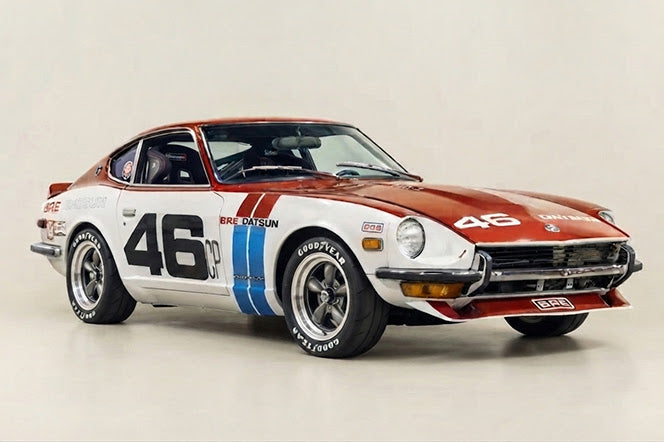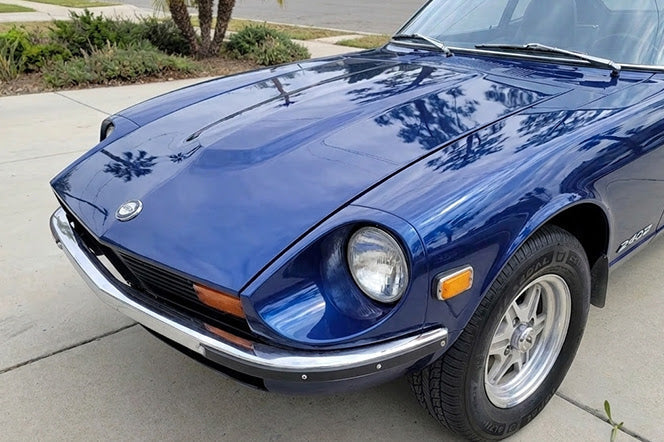

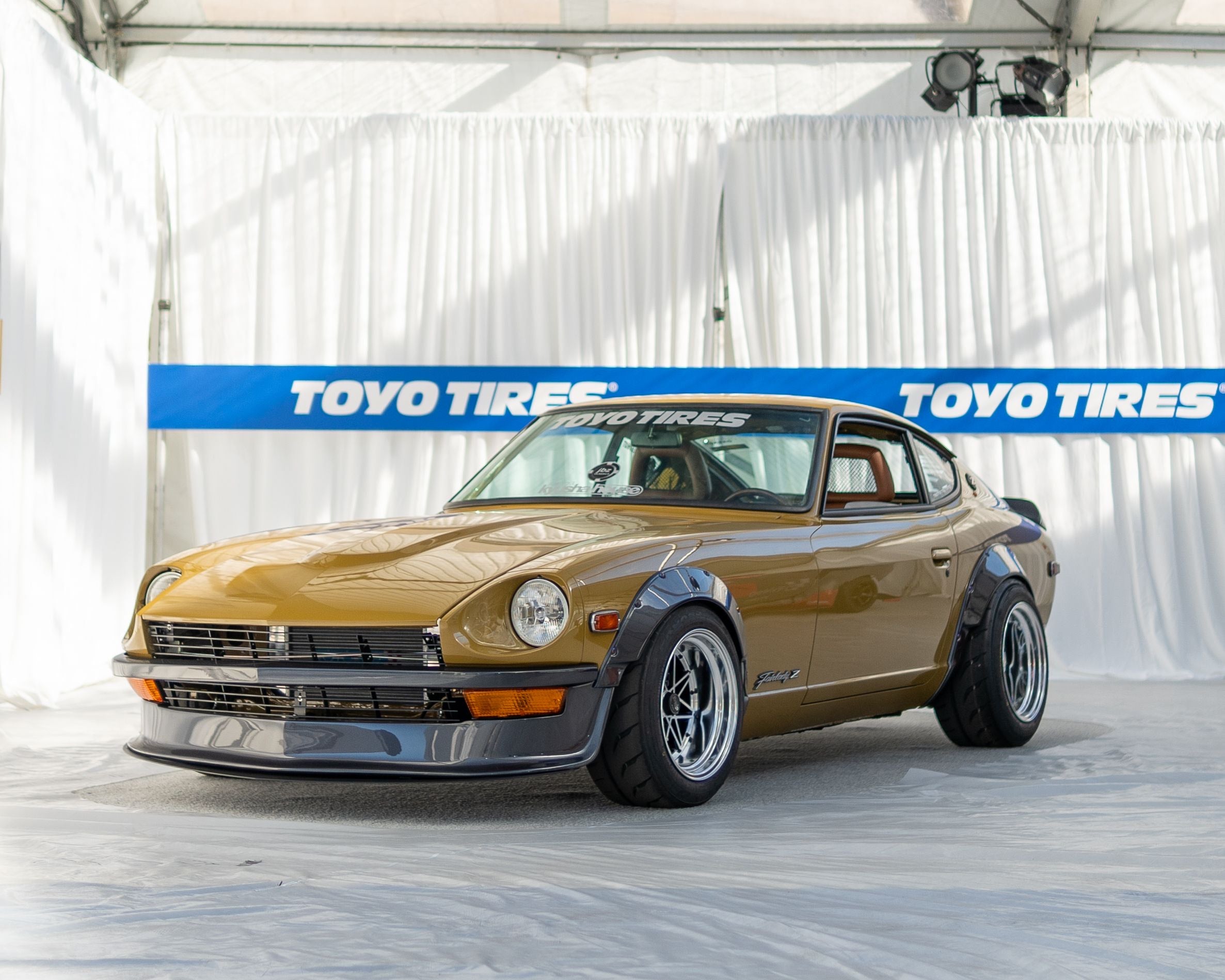
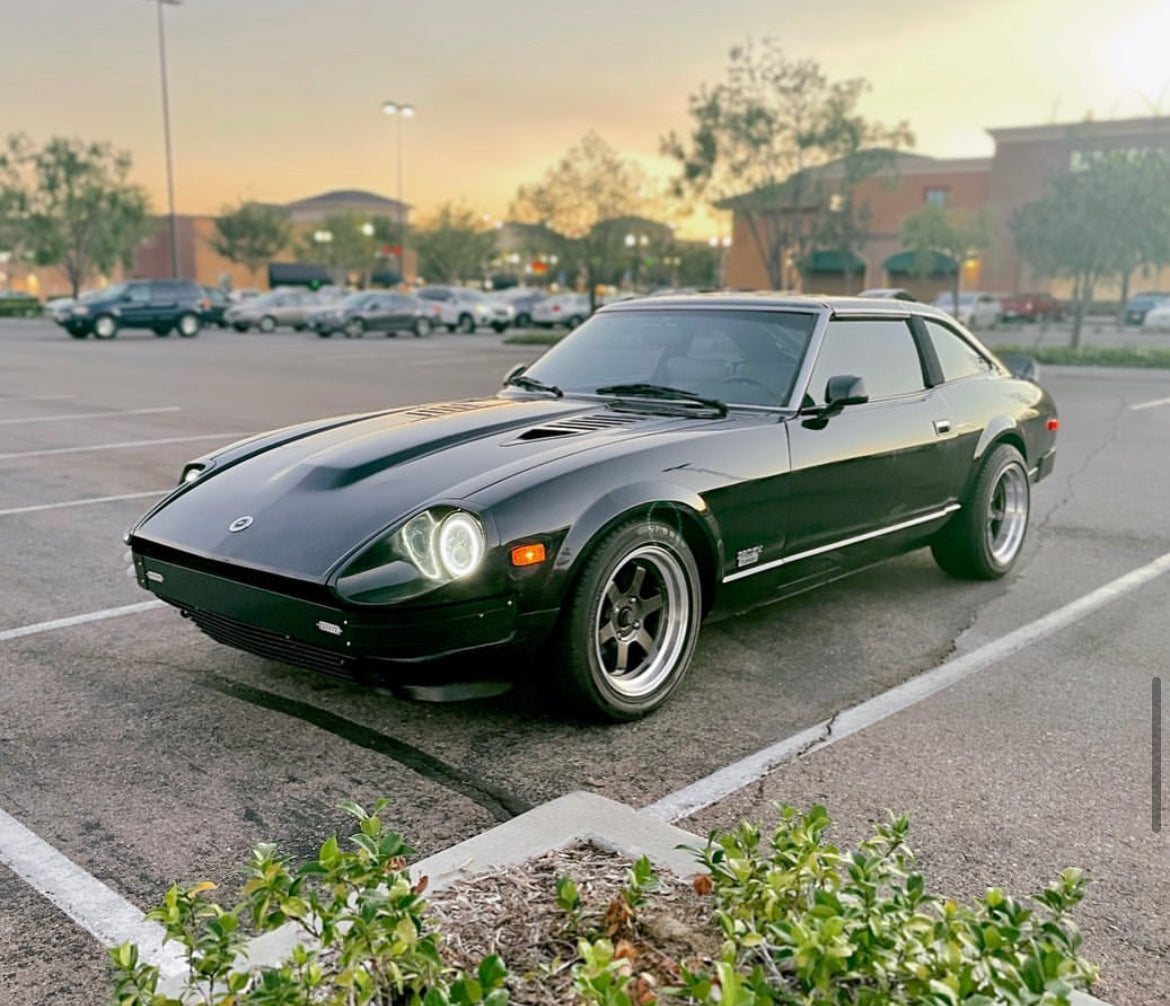

What follows covers the full picture - the visual payoff that these covers actually deliver, the drawbacks that come along with them and a handful of better alternatives for owners who want a great-looking car without losing the ability to drive it after dark.
It's not an easy yes-or-no situation. Quite a bit can depend on what you want from the car and how much use it gets. A 240Z that lives in a show garage most of the year will be very different from one that sees the road on a regular basis. Both are valid approaches, and neither one is wrong. The right choice just depends on the situation.
A full restoration and a casual weekend project are two very different situations, and each one carries its own set of trade-offs that are worth thinking through before anything gets ordered. The way you use the car matters quite a bit here. If you drive it at night, even occasionally, visibility and legal compliance become factors that you'll have to account for. But if the car spends most of its time at shows or in storage, those problems matter quite a bit less.
Acrylic headlight covers have been around for a long time, and they still show up on 240Zs for a reason - they do look sharp. But a sharp appearance doesn't always make them the best choice. There are some situations where they make sense and others where they give you more issues than they're worth.
Whether acrylic headlight covers are worth it for your 240Z is a bit more layered than an easy yes or no, and that's what this covers.
Table of Contents
A Clean Face With a European Feel
The 240Z has a front end that just works. The acrylic headlight covers sit flush over the headlights and give the nose a sculpted shape that feels more like something off a European sports car from the early 1970s than a Japanese import. A few old Ferraris carried that same sense of intent in their body lines (clean, intentional, with nothing wasted), and these covers bring a little of that same quality back to the Z.
At car meets, it's a look that makes everyone stop and stare. That uninterrupted face has a deliberately clean quality to it that the stock headlight setup just never quite pulls off. The 240Z already has quite a bit going for it as a platform, and a well-made set of covers takes the whole design a step further - it moves from something that just looks fast to something that actually feels finished.

For plenty of Z owners, the obsession took hold the first time they saw a well-built one roll into a show. That smooth nose tends to stay with you, and once it does, the stock headlights start to look a little unfinished - like the car was almost there. But not quite. It's the kind of mod that once you see it, you can't unsee it.
The 240Z has always had a lean shape, and these covers work with that - they clean up the front end without changing its character. Nothing about them looks like an afterthought. But how it looks is only part of the story, and there's a bit more to cover before the install.
Are These Covers Actually Road Legal?
Federal Motor Vehicle Safety Standard 108 sets the national baseline for vehicle lighting, and most states layer their own laws right on top of that. California bans any device that dims your headlight brightness or changes its color, and Texas lands in almost the same place - headlights need to stay unobstructed and be visible from at least 1,000 feet away. These are real, actively enforced laws - just the kind that will get your car pulled over or failed at an inspection without a whole lot of debate.
For 240Z owners, this has a very real implication - acrylic headlight covers will move your car out of daily-driver territory. A 240Z with a set of these belongs at a car show or on a private track - not out on a public road on a Tuesday morning. It's a genuine trade-off, and one that deserves some thought before you spend money on a set.

It can be frustrating to fall in love with a look that the law just won't accommodate. The covers photograph beautifully (they suit the long nose of the 240Z in a way that's very hard to replicate with anything else), and the style has this quality to it that never quite gets old. At some point, every 240Z owner who looks into these covers has to acknowledge that what looks perfect at a car show isn't always legal on public roads - a choice owners wrestle with. The ones who are usually happiest are the ones who decided ahead of time how they planned to use the car. At least if you know where that line is, you can plan around it.
Covers Dim the Light From Your Headlights
Headlight covers do make a freshly restored 240Z look sharp - it's a big part of why owners choose them. That said, there's a trade-off to consider before you buy a set.
Even the clearest acrylic blocks at least a little of the light that passes through it - not by much. But it's worth knowing. The bigger issue builds over time, because UV exposure causes acrylic to yellow, and the yellow tint chips away at your light output little by little. After a few months on the road, what started out as a barely visible loss has slowly crept up into noticeably dimmer beams.
A dark back road is already tough to work with. An older car with vintage sealed-beam headlights doesn't make it any easier. Those lights were never all that bright - that's just how the older technology worked. Add a layer of cloudy acrylic over the lens, and you're left with noticeably less light than the road actually needs.

It doesn't happen all at once - that's what makes it easy to miss. Most owners have no idea how much output they've lost until they're straining to see the road at highway speeds, and by that point, the covers have usually been on the car for a long time. It's a problem that goes unaddressed for far too long, and I see it all the time.
The goal is what matters here. Lens protection is at least a fair argument for the covers - that part makes sense. But a cleaner look is possible without a layer of acrylic between your headlights and the road. The 240Z doesn't have modern lighting hardware to fall back on, so every bit of output it can produce is helpful. Acrylic covers are one of the quieter ways to give that up.
How a Bad Fit Causes Hidden Rust
Acrylic covers that don't fit quite right give you actual moisture problems - and not the kind that just fixes itself. When a cover sits even slightly off, a sealed pocket forms between the cover and the headlight housing, and any condensation that gets trapped in there has nowhere to go at all - it's where the damage starts. Over time, that moisture just sits against the metal and slowly eats away at the buckets, the connectors and the surrounding hardware.
On a newer car, corroded headlight parts are annoying but pretty manageable - replacements are not hard to find, and the prices are usually fair. A 240Z is a different matter. Original buckets and hardware for these cars are very hard to track down. And even if you do track them down, the prices are pretty high. Parts this old and this scarce just don't have the supply that modern vehicle parts do.

Humidity makes this worse, and it does it slowly. The temperature swings between day and night draw moisture in and force condensation against the housing - over and over, season after season, and each cycle leaves a little more damage on top of the last one. Pull a cover off after a few years, and there's a decent chance you'll find rust and green corrosion right where the metal used to be clean. It's something I see a lot with vintage builds - a car left under a set of ill-fitting covers for a season or two, and the wear starts to show.
What's legitimately frustrating is that there's zero advance warning when it starts. The damage builds up slowly, hidden underneath the cover, and by the time you see anything wrong, a fair amount of harm has already been done. It's worth a hard look at the cost of a poorly fitting acrylic cover before you commit to a full set of them.
Style Should Match How You Use Your Car
Whether acrylic headlight covers are worth it on your 240Z depends almost entirely on what you use the car for. A show car and a weekend driver are in two very different situations, and what's a great call for one might work against the other.
In the show and custom world, these covers have built up a strong following for a reason. A polished front end photographs well and draws some genuine attention at events - and in this crowd, that's just what you're after. For a car that almost never, if ever, sees the road after dark, the drop in light output isn't something to worry about. There's also something to be said for the more finished look they give the front end when the car is sitting still - which, for a show car, is usually the point.

A 240Z that sees steady road time is a whole different situation. Road legality throws in yet another wrinkle, as the laws around aftermarket headlight covers can vary quite a bit from state to state and even from country to country. A quick look at what applies to your area before you go ahead with the mod is worth the few minutes it takes. It's one of those details that seems minor until it isn't.
Plenty of owners fall in love with a build style at an event and go home ready to replicate it. But they never once think about how they actually use their car from day to day. What works on a dedicated track car doesn't always translate well to a street driver. The builds that tend to hold up long-term are the ones where style and function point in the same direction.
The Right Fit Makes All the Difference
Fitment can make or break a build, and headlight covers are a perfect example of this. A cover that doesn't sit flush against the bucket will leave small gaps around the edges - and those gaps let moisture work its way in over time. That trapped water will speed up the yellowing process, and at highway speeds, a loose cover will also start to rattle against the body panel.
A poorly seated cover causes a lot of damage. A solid fit is easy to get - it just takes a little patience during the install.

The single biggest step is to measure your headlight opening and do a test-fit before anything else. The generic covers sold at budget price points are built to rough dimensions (close but not precise), and "close enough" versus "exact" is right where the problems start. Plenty of owners who went the cheap way will tell you their covers never sat flush, no matter how much they fussed with the fit, and from what I've seen, it comes up more than it should.
A well-fitted cover should sit flush against the surrounding body panel - no visible gaps and no movement at all if you press on it. If you have to force it into place or add hardware to hold it there, that means the fit's off. Before a full install, test it out dry and go around every edge to make sure everything lines up the way it should. Patience pays off here.
Better Headlights That Work and Stay Legal
A 240Z that turns heads is probably the end goal for those who've read this far - it's a fair place to land. A great-looking car is one matter, and a car that performs well after dark is a whole different conversation.
Fortunately, these two goals don't have to cancel each other out. An H4 halogen swap is one of the easiest upgrades on this list - it drops right into the stock housing without touching the exterior look at all. Modern LED conversions are another strong option, and they pair well with a projector housing to get the beam aimed correctly and to direct light away from oncoming traffic.
Either of these upgrades also avoids the legal gray area that tends to follow those decorative lens covers around. A well-aimed H4 or LED setup will get more usable light on the road than the original sealed beams ever managed, and it does all that without taking anything away from what was already there.

Plenty of 240Z owners will land on lens covers after running into a dead end with their sealed beam setup - they want something, anything, that seems like actual progress. It's an understandable place to be. A full lighting upgrade gets you there more directly, and it's what most drivers actually had in mind all along - a car that drives just as well as it looks.
At the end of the day, it all comes down to what you need from your car after dark. A car that's worth driving at night (with actual confidence) has to be built around the lighting system - not the covers.
Build Your Dream Car
Acrylic headlight covers can be a great visual upgrade in the right situation. But they can also be a genuine liability in the wrong one. For a 240Z that lives at car shows and spends most nights in a garage, they're a sensible choice that fits the car's look. Drive it after dark on public roads, and those trade-offs add up fast - and at that point, the only path forward is a lighting upgrade, the kind that keeps your visibility and your registration in order.
The biggest step any 240Z owner can take is to be honest about how the car actually gets used - not how they imagine it. A build that you spotted at a show can grab your attention fast, and before long, you're chasing a look without ever stopping to ask whether it fits into your day-to-day life. Those cars look beautiful in photos, and the pull makes total sense. But a car that you really trust out on an open road at night is worth a whole lot more than one that looks perfect sitting still.

For anyone who wants to build a 240Z they're proud of (inside, outside and under the hood), we at Skillard have what you need. Custom parts built just for Datsun Z cars are our specialty, and our catalog covers the 240Z, 260Z and 280Z across a wide set of products. From bumpers and aluminum door cards to center consoles, spoilers and everything in between, each part is made for quality and for the way these cars get used. Whether a restoration has just started or a long-running project is finally down to its last finishing touches, our full lineup at Skillard.com has something for just about every build.