

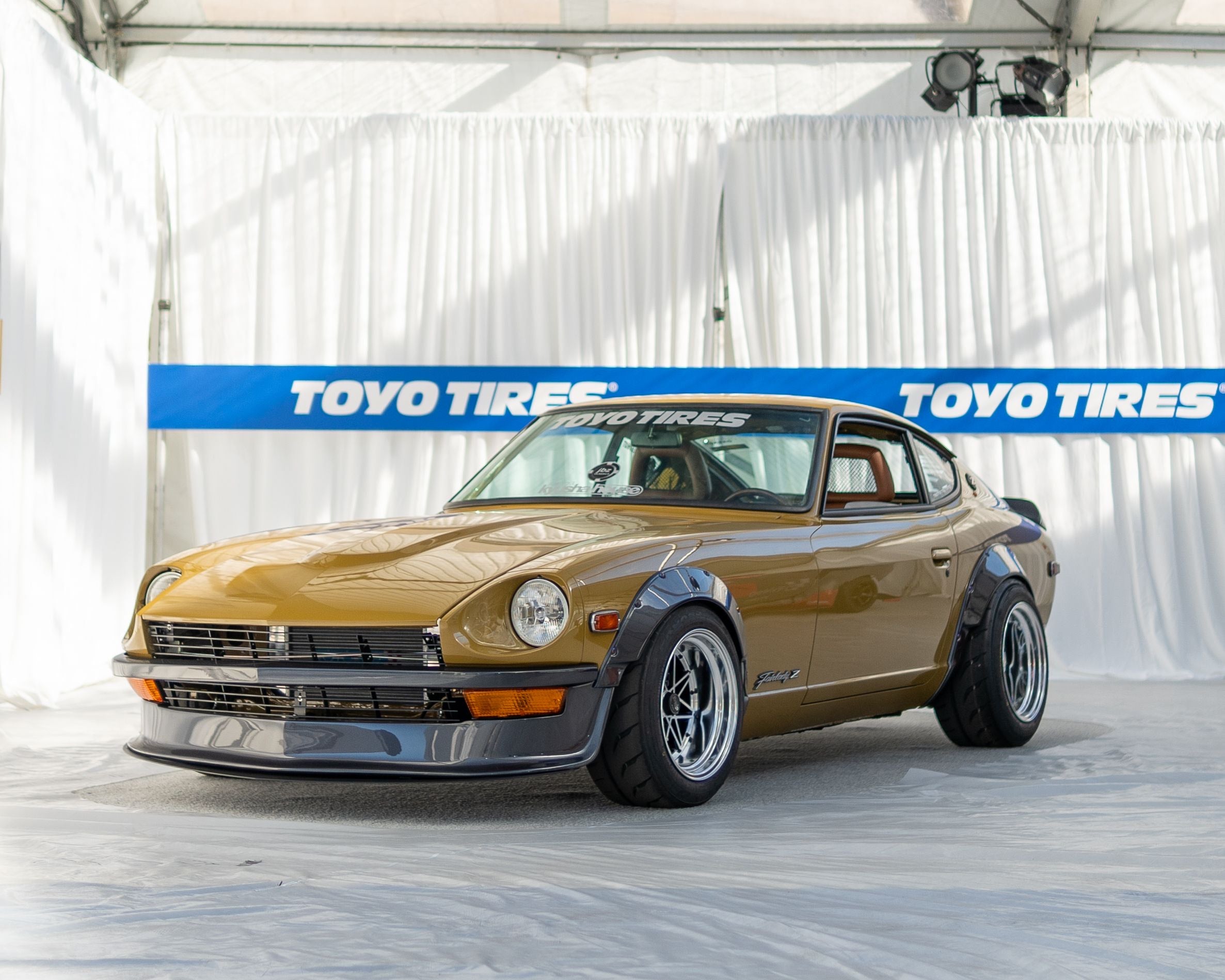
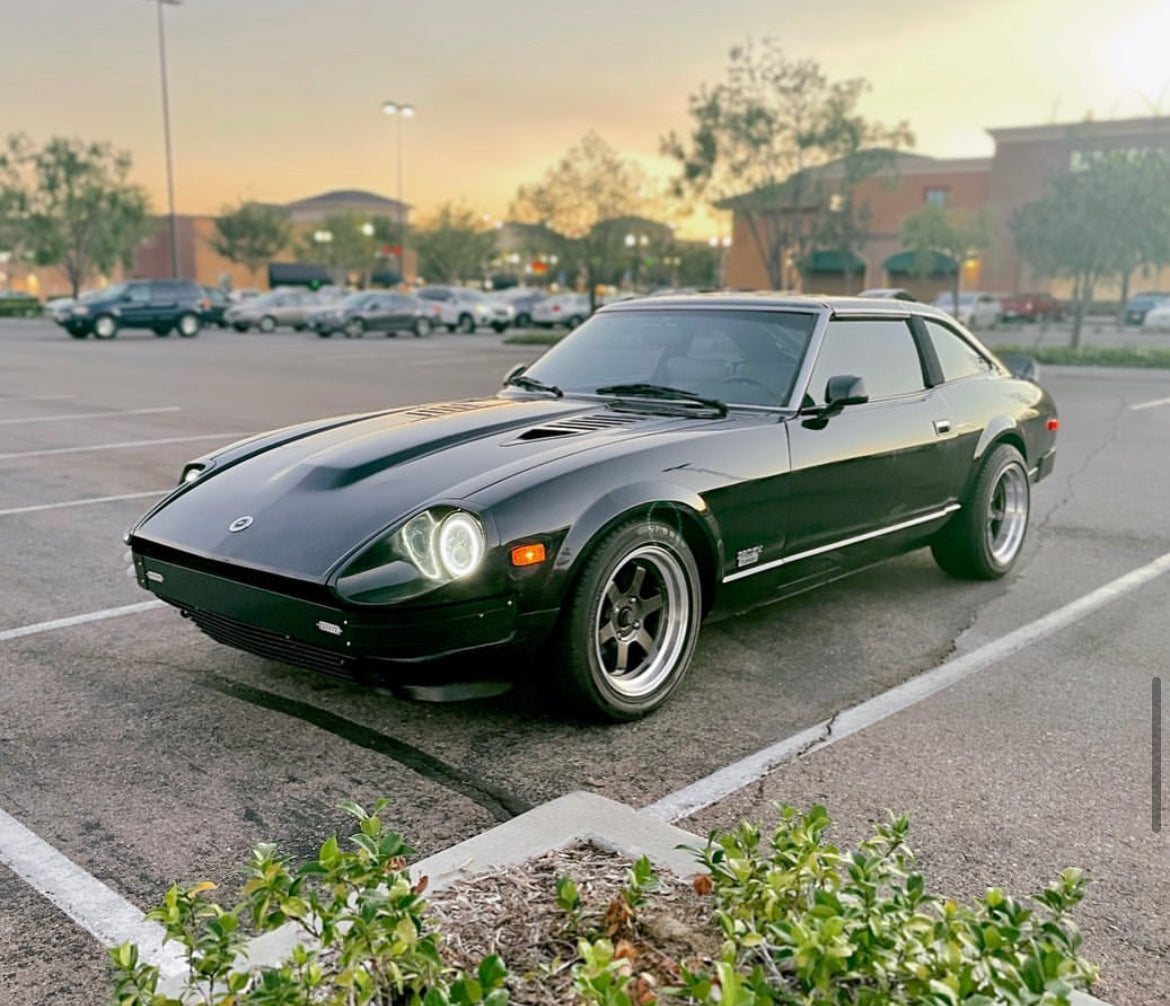

The S30 Datsun Z has some of the most recognized body lines in Japanese automotive history - but then the federal government had other plans. From the 1974.5 260Z onward, every US-market car got fitted with those heavy crash-absorbing bumpers to satisfy the NHTSA's 5-mph crash standard, and those big protruding bumpers stayed on all the way through to the end of 280Z production in 1978. It's pretty hard to look at one of the later cars and not think about what those lines were always meant to look like before all that extra hardware got bolted on.
The difference is pretty obvious when you put a pre-federal-bumper car side by side with a late 260Z or 280Z. The early cars had a much cleaner front and rear, and it's easy to see why so many owners want to get back to that original look.
Most owners who land on this topic have already made their call - what they actually need is a plan to get it done without filler cracks, rust pockets or a car that won't pass a roadside inspection. The move from a chunky bumper to a clean body line is pretty easy - you just need to make the right calls in the right order. The wrong fit for that particular year of the car, untreated holes in the metal or a rushed bodywork job - any one of them is enough to stall out a promising build.
The steps and hardware can also vary a bit based on your exact year. 260Z and 280Z builds don't always line up the same way, so it pays to know where you stand before you order anything.
Let's talk about what it takes to get that clean bumper delete done right.
Table of Contents
How S30 Bumpers Changed Over the Years
The S30 chassis covers a pretty wide stretch of production years, and the bumper setup went through some big changes from the early cars to the late ones. The 1969-1972 240Z came with slim chrome bumpers that sat tight to the body and used very little mounting hardware. It's a pretty basic setup - there's not a whole lot going on behind the bumper face itself.
The 260Z and 280Z are in a pretty different situation. Nissan had to meet US federal crash standards with those cars, and that meant fitting them with much bigger bumpers - bumpers that sit noticeably farther out from the body and are mounted on energy-absorbing hardware. Behind the bumper face, Nissan also added in more filler material, more brackets and just more structure back there. That all adds up, and a 280Z bumper delete ends up being a fair bit bigger of a job than a 240Z - more hardware to pull, more gaps to sort out and decisions to work through once you're in it.

Worth keeping in mind from the start - newer cars usually have quite a bit more going on back there than you'd guess from the outside. A job that looks pretty basic can turn into a full afternoon fast once you start pulling pieces - and does, in my experience.
The best place to start is to pull the bumper off and lay the pieces out in front of you where you can see them. Get the overriders off first, and then pay attention to how the mounting brackets sit and pull any energy absorbers and filler panels out from between the bumper and the body. Take photos before any of that comes apart - and take plenty of them.
Full Delete or a Bumper Tuck
A full delete is what it says - the bumper comes off, and the open gap gets filled in with a custom panel. Fiberglass and aluminum are popular options for this, and either one has the cleanest and most flush fitment that you'll find on these cars. The downside is that bodywork is needed to get it right, and once you've committed to this path, the road back to stock isn't an easy or quick one. It's a big modification.
A tuck goes in a very different direction. With this one, you swap the later and bulkier bumpers for the earlier 240Z-style units, which sit much closer to the body and look far more natural. You still have a real functional bumper at the end of the day - it just looks far more integrated and much less chunky than the heavy stock setup on a later car. It's also a more flexible option if your plans for the build change at some point or if you ever want to sell the car and leave it more stock-friendly.

Which option makes the most sense for your build will come down to what you're going for. A full delete is the stronger visual choice - it's the best choice for show cars and dedicated track builds where an uninterrupted body line is the whole point. It's a bigger commitment than it might feel, and it's not the right call for every project. When it's the right call, that level of dedication is what separates a build done right from everything else.
A tuck is the better call if you want a genuine visual upgrade without committing to full bodywork. The wheel gap gets cleaned up nicely, and your options stay open if you ever want to take the build further. The light protection it gives is a genuine bonus for anyone who actually puts miles on their car.
The Tools and Materials You Will Need
Before anything else, get your materials and tools together - it's one of the better habits that you can have on a project like this. A basic hand tool set will carry you through the bulk of the work, and a reliable socket set paired with a few trim removal tools will let you take everything apart without leaving marks or scratches on anything in the process.
A welder is something that you just can't skip if you want to permanently fill those mounting holes. Filler alone over an open hole will eventually crack and sink on you - it's just not built to last long-term. Get those holes welded shut correctly first, and then you can move forward from there.

Body filler and primer are the other two essentials that you should have on hand before work begins. Filler lets you shape and smooth out the metal once your welds are done. Primer seals everything off so your finish coat actually has something to bond to. If you've already picked out an aftermarket nose piece or filler panel, then set it nearby - a test fit early on will give you a better sense of how to plan your whole workflow around it.
Plenty of builds turn out rough at the end, and usually it's not because of bad work - it's because the right materials weren't ready before the job started. Mid-project moments like low primer or a missing panel are just the sort of issue that gives you rushed calls, and those rushed calls usually show up in the final result. For anyone newer to bodywork, none of this needs to feel like too much. With everything laid out and ready to go, the whole process gets a whole lot more manageable, and you can move through it at your own pace.
Remove the Bumper and Its Mount Points
With your tools laid out, go ahead and start unbolting the bumper. Most of the hardware will come off without too much issue - though any bolt that's started to corrode or seize up is going to need a bit more patience. A little penetrating oil and some extra time on a stubborn one can save you from rounding off a bolt head.
After the bumper is off, the brackets are next on the list. These will bolt through the body panels, and once they're pulled free, then you'll be left with either some threaded studs or open holes in the metal. There's still quite a bit left to work through.

Those exposed holes and bare metal edges need to be taken care of before anything else gets done. Raw metal will rust over time, and the holes create an uneven surface that'll read straight through your primer and your paint layers. Under bright lighting, every little imperfection will come right through once the paint is on. It's worth taking the extra time here to fill, sand and feather everything out before you move on.
When it's finally paint time, any shortcuts that were taken during the prep work will always show up in the final result. Even the tiniest dimple or scratch gets multiplied under a glossy finish, and at that point, the only fix is to strip everything back down and start over. When the prep is done right the first time, you end up with a smooth finish instead of one that needs to be redone.
Take Your Time with the Bodywork
Once the mount holes are welded shut, the actual work begins. At this stage, the nose is taking its final shape, and it's an area where most builders just don't invest nearly enough time and attention - it's a mistake that tends to show up at the worst possible second (usually right after the car is already painted).
A thin layer of body filler over the welded areas and any surrounding low sections is the right place to start. After it cures, run a long block over the surface to block sand it - that's how you find where the high and low points are. Before primer ever goes near this panel, the whole point is to get it as flat and true as you can get it. The surface should feel steady under your hand with no big waves or dips.

Z builders rush past this part to get to paint faster, and they regret it the second the light catches a slight ripple across the nose. Plan on going through multiple rounds of filler, primer and sanding - and each pass gets you a little closer to a surface that looks clean and intentional. That's without question my least favorite part of the whole build process, and it's not something that you can skip if you want the end result to actually look right.
Of everything in a bumper delete, this last stage is the one where patience matters most. Every weld and every bit of bodywork from the previous steps is only going to be as solid as the finishing work that you put in right here. Take the time now, and you won't have to remember it again once the paint goes on.
Add a Chin Spoiler or Air Dam
A bumper delete can leave the front end looking a little bare if nothing else ties it together. A chin spoiler or air dam is usually the right call for that - and out of the small calls that go into a build like this, it's one of the ones that's worth slowing down on.
JDM-style chin spoilers are one of the more popular ways to manage this - they add some visual weight to the lower front end without going too far with it. A low-profile air dam does much the same. But it also doubles as some protection for the lower valence against road debris, which is a great little bonus on top of the visual improvement. With either option, the front end stops looking like something is missing and starts looking like every part of it was meant to be there.

Part of what makes this actually fun is that it doubles as a chance to put your own mark on the car. Different spoiler profiles can reshape how the front end reads from the street. An angular piece gives the whole car a track-ready presence, and a softer lip keeps everything clean and understated.
These represent two very different personalities - and either one is a valid direction to go in. Before any decisions get made, it's helpful to try to settle on the direction the build is going in. A race-inspired setup will want something with more edge to it - lower body lines and an aggressive stance. A street build is a bit different - a piece that works with the original body shape will feel noticeably more at home there than anything that fights against it. Neither direction is a bad one, and either can look great as long as the rest of the build is lined up behind it.
Check the Laws Before You Start
A full bumper delete is something that you want to get right, and a big part of that means you should check your local vehicle laws before you get started. The laws around bumper height and whether you're even supposed to have one at all, or where your reflectors need to be positioned, can vary quite a bit depending on where you live - and a full delete can pretty quickly put you on the wrong side of them. Don't wait to find out until after the work is already done - it's just about the worst possible time to learn it.
If an inspection officer flags your car, you might need to undo the modification just to pass. With a bolt-on setup, that's a pretty easy fix. Welded mounting holes or permanent changes to the body are a whole different situation - those are a much bigger headache to reverse.

Start by pulling up your local vehicle code. Most state DMV or transport authority websites will spell out the laws around bumpers and registration standards, and it only takes a few minutes to read through. The earlier you get a sense of where your build stands legally, the better - it might even change how far you want to take the modification. A fair number of builders choose a partial tuck instead of a full delete for just this reason - it still gets you that tight look, but it leaves enough room to pass inspection if it ever comes to that.
Registration laws can also vary quite a bit from one state to the next (or province to province). If there's any chance you'll be moving or driving this car across state lines at some point, it's worth a quick look into the local laws before you lock anything in.
Build Your Dream Car
Those clean body lines that drew you to the S30 are still there - they've just been buried under all that hardware. What it takes to get them back is a sense of what your car needs, a plan that fits in with your goals and your skill level and enough patience to give the bodywork the time that it deserves. The builders who're proud of what they made are nearly always the ones who had the discipline to slow down.
Few experiences are more satisfying than stepping back and looking at a Z with a front end that finally has the shape it was always meant to have. It's a mod that changes the whole presence of the car - and once it's done, it's nearly impossible to picture it any other way. Every angle and every new reflection across that nose panel is a direct payoff for the patience that you put into the prep and finish work.

If you have a vision for your Z, we built Skillard with just that in mind. We design and manufacture all kinds of custom parts for the 240Z, 260Z and 280Z - and it's one of the first areas we point toward when your build starts to come together. The lineup covers a lot of ground, from bumpers and chin spoilers to aluminum door cards and center consoles - and every piece shows a genuine eye for design and real attention to detail.
When you're ready to take the next step, check us out at Skillard.com and see what's available. Your build deserves parts that were actually made with it in mind.

