

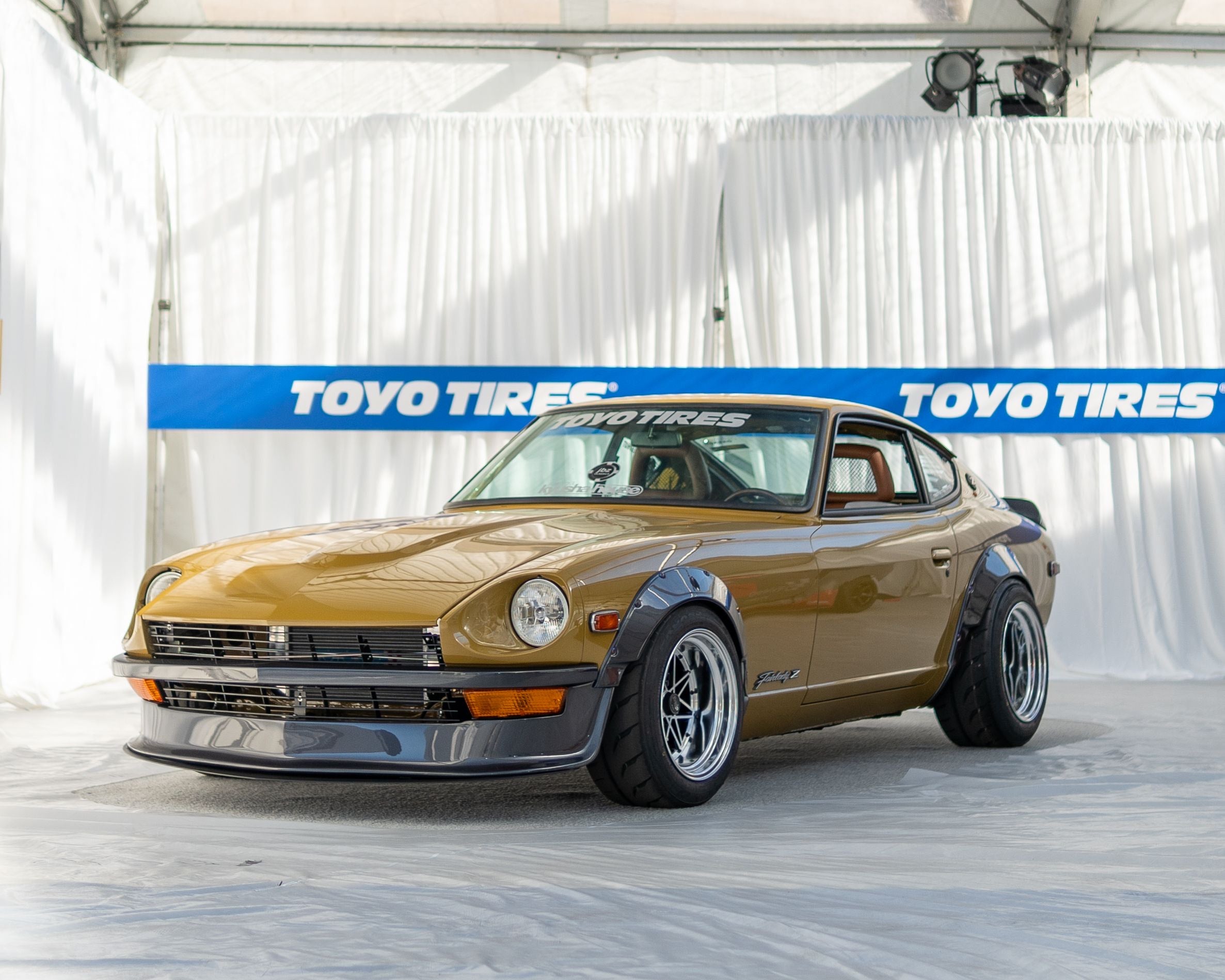
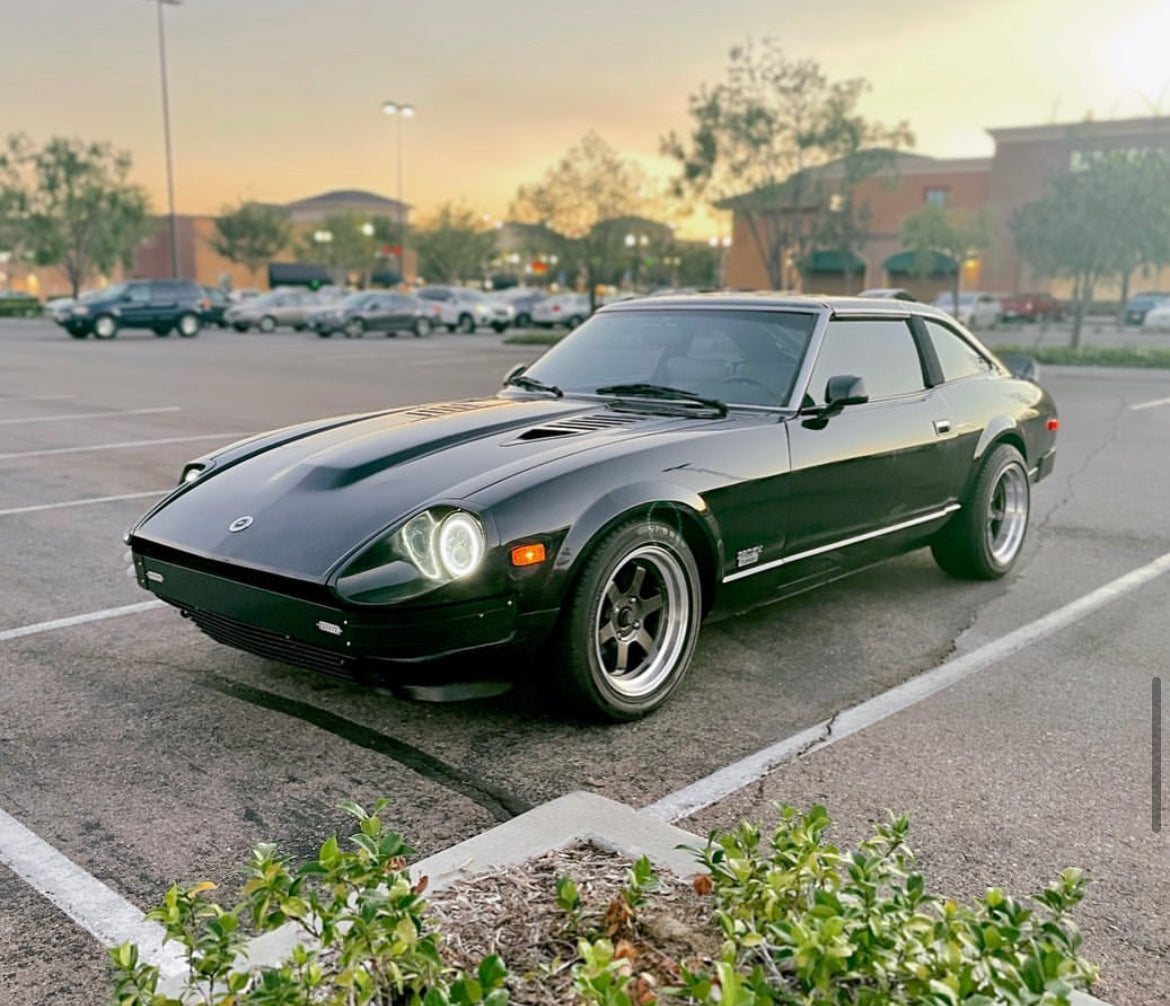

The 280Z is a capable machine - a strong inline-six, fuel injection and a chassis that still holds its own on the road. The issue is almost purely about looks. Set one next to a 1970 240Z, and the difference in presence will start to show. Those rubber-clad federal bumpers added a fair amount of bulk to a design that never needed it. For plenty of owners, that front end is the one detail standing between a nice-looking car and a great-looking one.
A bumper conversion sounds fairly easy on paper, and in some ways it is. The work has a few more layers to it, though. The mounting points almost never line up between model years. The brackets aren't interchangeable, and a single misdrilled hole can push the whole project back by days. The rust on 40-year-old hardware will usually add extra time to the job, and it's worth planning ahead for this.
Parts sourcing is one of the harder areas of the whole process. The bumper that you want is the 1970-1972 style (not the 1973 US version), and without a reference in front of you, those two are pretty easy to confuse when you're ordering online. The bigger issue is that buyers order first and measure second, which gets expensive fast when the parts that you need have been discontinued.
None of that makes this conversion not worth it. A clean swap pulls roughly 50 pounds off the nose. That weight reduction changes how the car drives and feels. On top of the performance benefits, you also get back the uncluttered silhouette that made the Z so interesting. With the right parts, an order of operations and a decent feel for where these builds like to get messy, the project pays off.
Let's talk about how to convert your 280Z to that classic 240Z bumper look!
Table of Contents
The 240Z Look That 280Z Owners Want
When Datsun brought the Z-car to the United States in the early 1970s, it came with one of the cleanest front ends in automotive history. Yoshihiko Matsuo's original 240Z design earned admiration from enthusiasts all over the world - and even all these years later, it still stands as one of the most beautiful Japanese cars ever made.
Then came 1974. New US federal law required all passenger vehicles to be able to take a 5 mph hit without any damage to their safety parts - a law that left a visible mark on great cars from that era. Datsun's answer was a set of large rubber-clad bumpers that pushed the nose of the car noticeably farther forward. The car's character shifted with it. The 280Z carried this look all the way through the end of the series.

280Z owners are a passionate group, and plenty of them legitimately love what's under the hood - with reason. The inline-six engine, the improved fuel injection system and the suspension upgrades - these are all true strengths, and they're a big part of what makes the later cars well worth owning. But the front end is a different matter. It's pretty hard to unsee once you've spent quite a bit of time with a 240Z.
Style runs deep in the Z community - probably deeper than in just about any other enthusiast group out there. The 240Z set a standard that the later bumpers couldn't quite match, and the gap has never gone away. Owners want the performance of a 280Z paired with the look of a 240Z front end - it's probably the most common request I get in this space. The next section gets into the weight savings, and those numbers are actually worth a look.
What You Gain From a Lighter Build
Between the front and rear assemblies, you're looking at 40 pounds or more added to each end of the car - and all that extra weight does change the way the car moves and feels.
A nose-heavy car will always fight you on direction changes, and all that extra weight up front puts real strain on the front tires at the same time. Pull that mass out, and the weight balance moves much closer to neutral - which actually matters quite a bit for how the car feels mid-corner. The steering tends to feel lighter and more responsive, and the car is usually easier to place where you want it. With a track day on the calendar, it's one of the first steps to tackle before moving on to the rest of the build. Even with just a lighter front end and the factory suspension, you can see what a difference the weight alone makes.

You should have your goals for this build pinned down before you go any deeper into it. A street car and a dedicated track car are going to pull you in slightly different directions, from the bumper options and hardware all the way to how everything mounts up. From the bracket style to the way the hardware sits against the body, the details start to diverge pretty fast based on what the car is meant for. A little bit of thought at this stage can save you grief once the decisions start to stack up and feed into each other.
The Parts and Tools You Need
Take a minute before you unbolt anything to get your parts and tools laid out. The two main pieces that you'll need are a front and rear 240Z chrome bumpers and the correct 240Z mounting brackets that go with them.
The brackets are worth some attention here. A 280Z comes with a different set of mounting brackets. Before you go any further, double-check that your brackets are actually spec'd for the 240Z. It's an easy detail to overlook, especially if your parts came from mixed sources or were sold together without much detail on what fits what.

If chrome isn't your top priority, polyurethane reproduction bumpers are worth a look. They hold up much better to the wear and tear of driving. They're not hard to find, and they've become a popular option for restorations that are meant to be used. The cost difference is usually pretty small, too, so if you're planning to drive the car more than show it, polyurethane may be the better choice. Owners who go that route are usually happy they did. Chrome bumpers can be more sensitive to minor impact and surface rust over time.
With your parts confirmed and your tools close by, it's time to pull the old 280Z hardware off the car.
Get the 280Z Bumper Mounts Ready
The bumpers on a 280Z are a pretty easy job to remove - at least in theory. The rubber bumper assemblies bolt directly onto the frame horns, and if everything cooperates, all you have to do is back the hardware out and lift them free. But these cars are old, and decades of sitting have given rust more than enough time to dig in. Some bolts are almost sure to give you grief.
Penetrating oil is always the first step to try. Soak everything down well and give it a little time to work - even a few hours can help. If the bolt still won't move, a torch is worth reaching for. A bit of heat will make the metal expand just enough to loosen the rust's hold on it, and in most cases, that's all it takes.

Once the bumpers are off, get a close look at the mounting horns underneath. These are the brackets that your new 240Z bumpers will bolt right onto, so they need to be in decent shape and straight before anything else. If any of them are bent, corroded or short on the hardware, now is the time to sort it out - not halfway through the install when you're already elbow-deep in it and losing your patience.
With everything already exposed, it makes sense to take care of some cleanup while you're at it. Give any surface rust a once-over with a wire brush and get some rust inhibitor or primer down onto the bare metal.
Once the groundwork is in place, the swap itself is actually pretty satisfying - all that prep work does matter. If you'd rather skip bumpers altogether, the rear bumper delete weld-in plates are worth a look.
Fit and Style Your 240Z Bumper Right
Once the old bumpers are off and your mounting surfaces are cleaned up, it's time to run a test fit of the 240Z bumpers and see where everything actually lands. Hold the bumper up against the car before bolting or drilling anything down - this gives you a look at your bracket alignment and a much better sense of how much shimming you're going to need to close up any gaps.
The shimming process is not one to rush through. Even a minor misalignment at this stage has a way of turning into a much bigger problem once the drill comes out. A hole in the wrong place is hard to fix after the fact, so do yourself a favor and measure two or three times before anything touches a drill bit.

Take some time to nail down the look that you're going for before you get too far ahead of it. The slim JDM-style bumper gives the front end a stripped-down feel, and the classic US-spec chrome pulls it back closer to the car's original character. They're valid directions, and whichever one you go with will steer a few of the other decisions that come after it.
Some owners go a step further and remove the bumper altogether. For a dedicated show car or track build, that's a perfectly valid way to go. A street-driven 280Z is a different story, though - there are actual trade-offs to weigh around pedestrian safety and day-to-day practicality, so keep that in mind before you cross it off the list. Once the fitment is right and the look is right where you want it to be, the final mounting stage is all that's left - it's where our bolt-on kit from Skillard comes into play.
Mistakes That Can Hold Your Build Back
A few issues can come up with this conversion, and it's worth a look before any cuts are made.
One of the most common mistakes with this swap is to buy a used 240Z bumper and not verify that the mounting brackets on your 280Z will actually line up. Bolt patterns and mounting depths can vary just enough between the two to turn what should be an easy swap into a full fabrication job. A quick compatibility check before you spend the money will save you frustration.
Exposed mounting points are another area that deserves close attention. Once the factory bumper assembly comes off, there's a decent chance that you'll find metal that hasn't seen daylight in decades. Any rust back there needs to be treated before you seal everything back up - leave it, and it will just spread into areas that you'll never be able to see.

Bumper horns are one area where plenty of builds start to go wrong. The pull to cut a little more than you need to (just to get a cleaner look) is hard to resist. But once you've cut too much, it's almost impossible to undo. Take your time, test fit the bumper as you go and know when to stop.
One last detail to keep in mind - a handful of states still have bumper height or safety standards that a vehicle has to meet to pass inspection. A car with no factory bumpers at all could become a problem come registration time. A quick call to your local DMV or a visit to a shop familiar with your state's laws is well worth the effort to see it done.
This car means quite a bit to you, and a car that's worth keeping deserves to be done right.
Build Your Dream Car
This conversion rewards your patience - and once it's done, the payoff is well worth it. When the front end is finally finished, and you get a chance to step back and take it all in, there's something satisfying about the way it all comes together. You get clean lines, the right proportions and none of the unnecessary bulk that federal laws once forced onto these cars - it just looks right. The weight savings are very much felt, and the car finally moves and carries itself the way it was always meant to.
Whether you go the full DIY way or pick up a dedicated bracket kit, you get to the same place - a Z that finally looks the way it was always meant to. Either option will get you there. Having done this a handful of times, it's safe to say it's worth every bit of the effort. Hopefully, everything above gives you an idea of what to expect.

For anyone midway through a Z build and still in search of parts that were actually designed with these cars in mind, we have a full catalog at Skillard that's well worth a look. Our lineup covers custom parts for the 240Z, 260Z, 280Z and a few other Datsun models - everything from bumpers and aluminum door cards to center consoles, spoilers and plenty more. Whatever stage your restoration or build project is at, there's a chance we have something that fits right where you are. Every part is built with genuine care and close attention to detail, which is what a car like this deserves. Check us out at Skillard.com to browse the full catalog and find out what your build is missing.

