

Fender mirrors on the Datsun S30 are one of the details that sit right at the crossroads of practicality and identity - and on this car, they matter quite a bit. For anyone who wants a clean JDM Fairlady Z, the wrong mirrors (or missing mirrors altogether) will stand out fast to those who know the platform. The vintage Japanese car community has grown more popular and visible over the last few years, and with that comes a much sharper eye for the little touches that separate a genuine build from a costume.
Fender mirrors are one of the harder parts to source correctly. Period-correct hardware sends you through decades of reproductions, import listings with vague fitment info and aftermarket options that got the general shape right but missed the proportions. A mirror that photographs well can sit noticeably wrong once it's bolted on - and on an S30, with that long hood pulling your eye straight toward the fenders, a fitment mistake is hard to hide.
The installation is also permanent. That puts weight on the choice. A drill hole in the original sheet metal on a fifty-year-old car can't be undone, so the mirror choice has to be right before any metal gets cut. Spending an extra week on research beats putting the wrong hole in a fender that can't be replaced. The three options covered here go in three pretty different directions (OEM factory units, Japanese aftermarket bullet-style mirrors and Italian-made mirrors that found a strong foothold in JDM culture), and each one is actually a better fit for a different build.
Let's check out these period-correct fender mirrors for your Datsun S30!
Table of Contents
The Real Reason JDM Cars Had Fender Mirrors
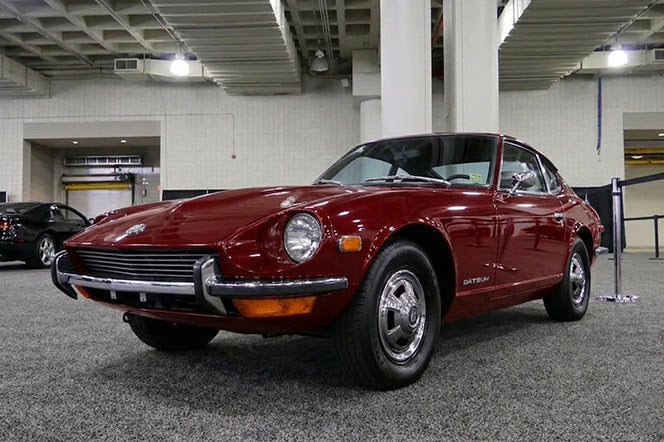
For decades, Japan had a real enforceable traffic law that called for every domestic vehicle to carry its mirrors on the fenders instead of the doors (it wasn't a suggestion, and it wasn't some manufacturer preference), and it stayed on the books into the early 1980s. When a Fairlady Z rolled off the production line in Japan, it came with fender mirrors straight from the factory. Not because of some big design choice and not as a stylistic nod to the era - the law just called for it.
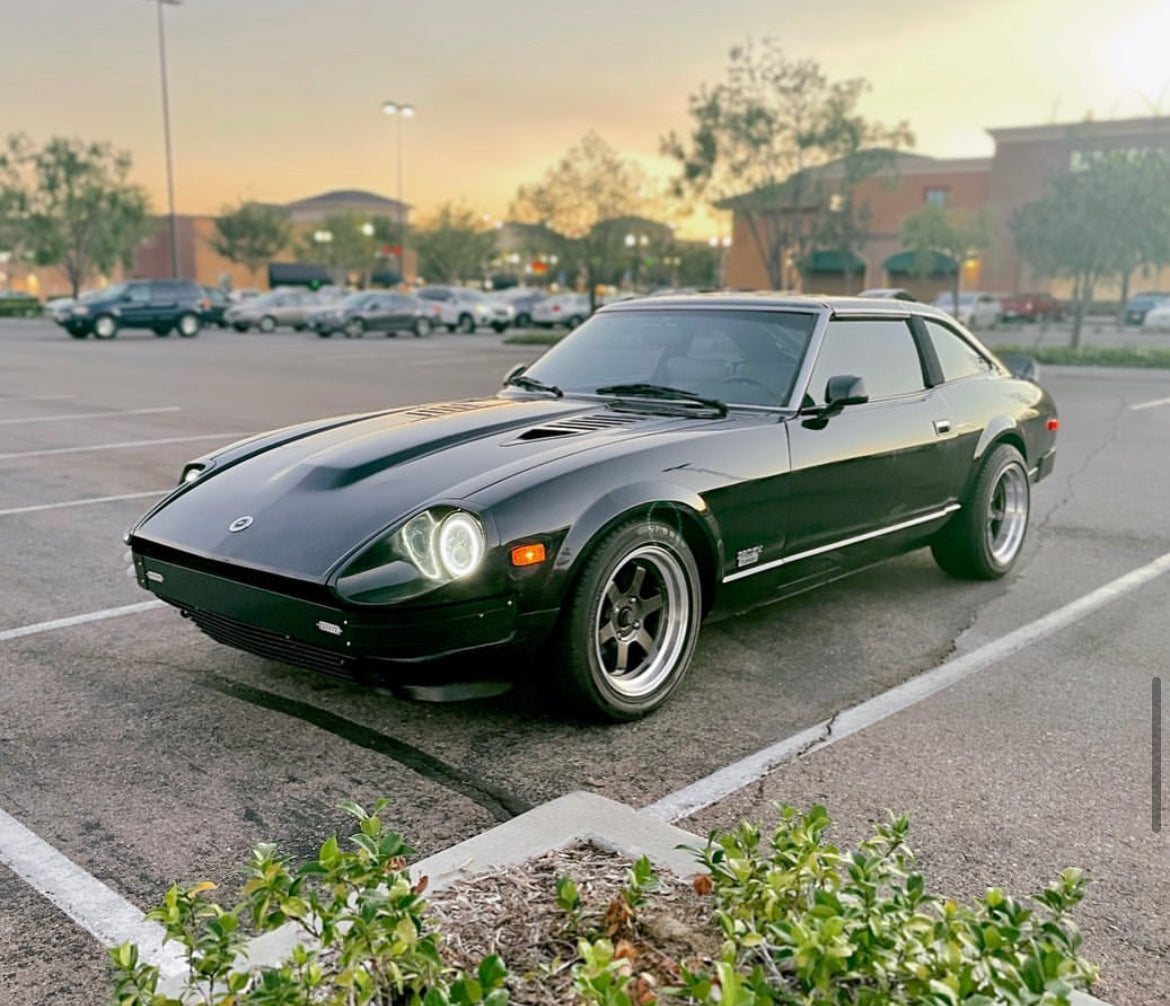
For anyone who wants to get the details right, this bit of history is worth knowing. The Fairlady Z and the 240Z are the same car at their core (the same chassis and the same DNA), yet each one was built for a different market with its own set of laws. The USDM 240Z came with door-mounted mirrors instead of fender mirrors, mostly because American roads never had a law that called for fender-mounted ones. Door mirrors on an S30 are a valid choice - it just puts you solidly in American-market territory instead of Japanese.

For anyone who wants a proper Fairlady Z build, fender mirrors aren't optional. They're a big part of what separates a JDM-style build from a USDM one. That gap carries weight. With a period-correct build especially, it's the smaller details that pull the whole build together - and they're what makes anyone who actually knows their S30s stop and look twice.
Reproductions and original fender mirrors for the S30 are still out there if you're willing to hunt a little. A bit of legal and historical context also goes a long way when it's time to choose a set - and it does matter which set you go with. The fitment, construction and period accuracy can all be pretty different from one option to the next, so it's always worth a deeper look before you buy a pair.
The Case for OEM Nissan Fender Mirrors
For a true JDM Fairlady Z restoration, the original Nissan-supplied fender mirrors are probably the most authentic way to go. These are the exact mirrors that came on the car straight from the factory - no modifications, no substitutions and nothing that was swapped out or changed after the fact. For a numbers-matching build, that level of authenticity carries weight.
The appeal makes sense. No other mirror puts you closer to what that car actually looked like on day one - straight out of a Japanese factory, just as it had left the line. Purists love these for a reason, and when period-correctness is the goal, an original is an original. Nothing else comes close.

The supply side is where it gets a bit tough. Authentic examples in decent condition are becoming harder and harder to come by. After decades of sun exposure, wear and just the general passage of time, there's not a whole lot of quality material left out there. Reproductions have stepped in to fill that gap, and some of them are pretty decent. The quality can vary quite a bit from one manufacturer to another, so a bit of research can save you a fair amount of frustration.
If your restoration has a paper trail and every part needs to line up with the car's documented history, a reproduction is probably going to fall short of that goal. A well-sourced original will always carry more weight with judges and collectors alike - and in my experience, that credibility difference between the two does matter. With that said, it does take a fair amount of patience to track one down in decent shape, and the price tag will show that. The end result does speak for itself, and for a true numbers-matching build, that extra effort is well worth it.
The Bullet Style Mirror for Japanese Cars
Japanese aftermarket mirrors from the 1970s look and feel very different from the factory units that came stock on these cars. Teardrop and bullet-shaped profiles were all over domestic motorsport back then, and racers loved them for a few very good reasons - they were lighter, more aerodynamic, and they sat much closer to the car than the boxy OEM mirrors ever did.
That racing preference bled into the street builds pretty fast. Enthusiasts who wanted a stripped-down look started putting these mirrors on their road cars, and the style just never went away. The end result is something quite a bit grittier and more aggressive than anything Nissan ever put together at the factory.

A set is actually hard to find. The reproduction market is flooded with mirrors that are slightly off in proportion, and the chrome finishes on most of them look nothing like the original hardware. A mirror that's too wide or too shallow just doesn't sit right - and even if you can't quite put your finger on what's wrong, those proportions are going to bother you every time you look at them.
Period photographs of Japanese street and race cars from the early to mid-1970s are the best reference that you have for this. Genuine new-old-stock pieces do pop up from time to time through Japanese importers and specialty sellers, and they're well worth the extra effort to track down. The wrong mirror is easy enough to bolt on. But once it's sitting on the car, it's nearly impossible to ignore.
Why Italian Mirrors Work on Japanese Cars
Italian mirrors and Japanese sports cars go together quite well, and names like Vitaloni had a genuine following with Japanese enthusiasts all throughout the 1970s. That wasn't by accident. Japanese car culture during that era pulled its inspiration directly from European GT racing, and the look of the cars made a deep impression on how domestic enthusiasts modified their own machines.
The S30 has far more in common with European GT cars of that era than it ever gets credit for. That long hood, low roofline and those clean body lines all draw a direct visual line back to the Italian and German coupes of the same period. The two do belong together.

Original Vitaloni mirrors from the 1970s have turned into legitimate collector pieces. That level of demand nearly always brings counterfeits along with it. Fake examples are out there, and without a little research, they can be pretty hard to tell apart from authentic ones. The fitment quality, the casting flaws and the hardware on fakes will nearly always give them away up close - it's one of my least favorite parts about recommending these mirrors. Do your homework before you buy one.
A genuine period mirror does take some patience to track down. Private sellers, specialist forums and estate sales are usually far more reliable than anonymous online listings - that's where most of the fakes seem to turn up. It's a bit of a hunt, no question about it. The effort is well worth it, though, if you want a mirror that actually looks like it belongs on the car.
The Holes in Your Fender Are Permanent
Fender mirrors on a US-spec S30 are not a bolt-on upgrade. The US versions never came with them from the factory, so you won't find any pre-drilled holes to line up and work with. Getting them to sit right means that you'll have to drill directly into the original sheet metal.
Sit with that for a second. An uncut fender has made it this far without a single scratch - and now you're about to push a drill bit right through it. Once those holes are in, they're there permanently. There's no undoing them and no way to pass the car off as untouched once the work is done.

A permanent modification like this will affect the car's value. A numbers-matching or well-preserved S30 loses a decent chunk of its appeal once you start cutting into the original metal - collectors and future buyers do care about untouched bodywork, and it changes what they're willing to pay for it. It's worth taking some time to think it through before moving forward. Of course, if the car is already heavily modified or more of a driver than a showpiece, that changes the picture a bit.
It's also worth sourcing the right mirrors before you drill. Fitment can vary depending on the brand and origin of the mirrors that you're using. The hole placement needs to be correct the first time. Some owners like to mock everything up with tape and take measurements from multiple reference points before committing. That extra bit of prep work can save you from a misaligned result that would be very hard to correct. Talking to someone who has already done this conversion on a similar car can help if you're on the fence. Seeing it in person (or at least in photos) makes it easier to choose whether it's the right call for yours.
Where to Find Real Period Mirrors
Authentic period mirrors aren't going to fall into your lap (it does take time to find decent ones) - it's just part of the hobby. Most of the pieces worth having come up on Japanese auction sites like Yahoo Japan Auctions - private sellers and small dealers there usually move their old stock and garage finds. The language barrier can be a sticking point, though a specialty importer who focuses on Japanese classic car parts can take most of that friction away - it pays to build a relationship with one or two of them if the right mirrors matter to you on this build.

Fakes are a genuine issue with Italian-made mirrors like the Vitaloni Californian, and they've been out there long enough that plenty of sellers don't even know they have a reproduction on their hands. Get some close-up photos before any money changes hands and take the time to look them over up close - don't rush past that part. The casting quality, the chrome finish and the weight are each going to tell you quite a bit about what you're actually looking at.
Reproductions aren't always a bad choice, though. Plenty of builders use them by choice - it's a way to save their original mirrors for numbers-matching restorations where the genuine part really counts for something.
The main thing is to know what you're buying and to make sure that the price lines up with that. Domestic forums and marque-focused communities are well worth a look. Parts move through Datsun and Z-car groups, usually well before they ever show up on any of the bigger marketplaces, which makes it worth your time to stay active in those spaces. A search like this rewards patience - the right pieces do surface eventually, and when they do, it pays to have already done your homework on what you're looking at.
Find the Right Mirror for Your Build
The better question (and the one that actually matters) is which of these belongs on your car. Your build direction is the best place to start any project like this. For a stock restoration, the answer is nearly always OEM mirrors - these are the ones Nissan designed, and spec'd for the car and nothing else comes close to matching what they had in mind from the start. Aftermarket alternatives are out there, and some of them are decent products. But they're still a step removed from what the car was built with. When authenticity is the whole goal of the build, that distance starts to matter quite a bit.
A vintage race-inspired build is a whole different conversation. Bullet mirrors carry that purposeful look (more functional than decorative) - it's just the right energy for a track-inspired car. A build genuinely inspired by time on the track deserves mirrors that match what the rest of the car is already saying.

Italian mirrors are a little harder to place on a build, and plenty of builders pass on them for just that reason. Where they work best is on an S30 that's set up more for open-road driving - long highways and open roads instead of lap times. The shape is refined without being overdone.
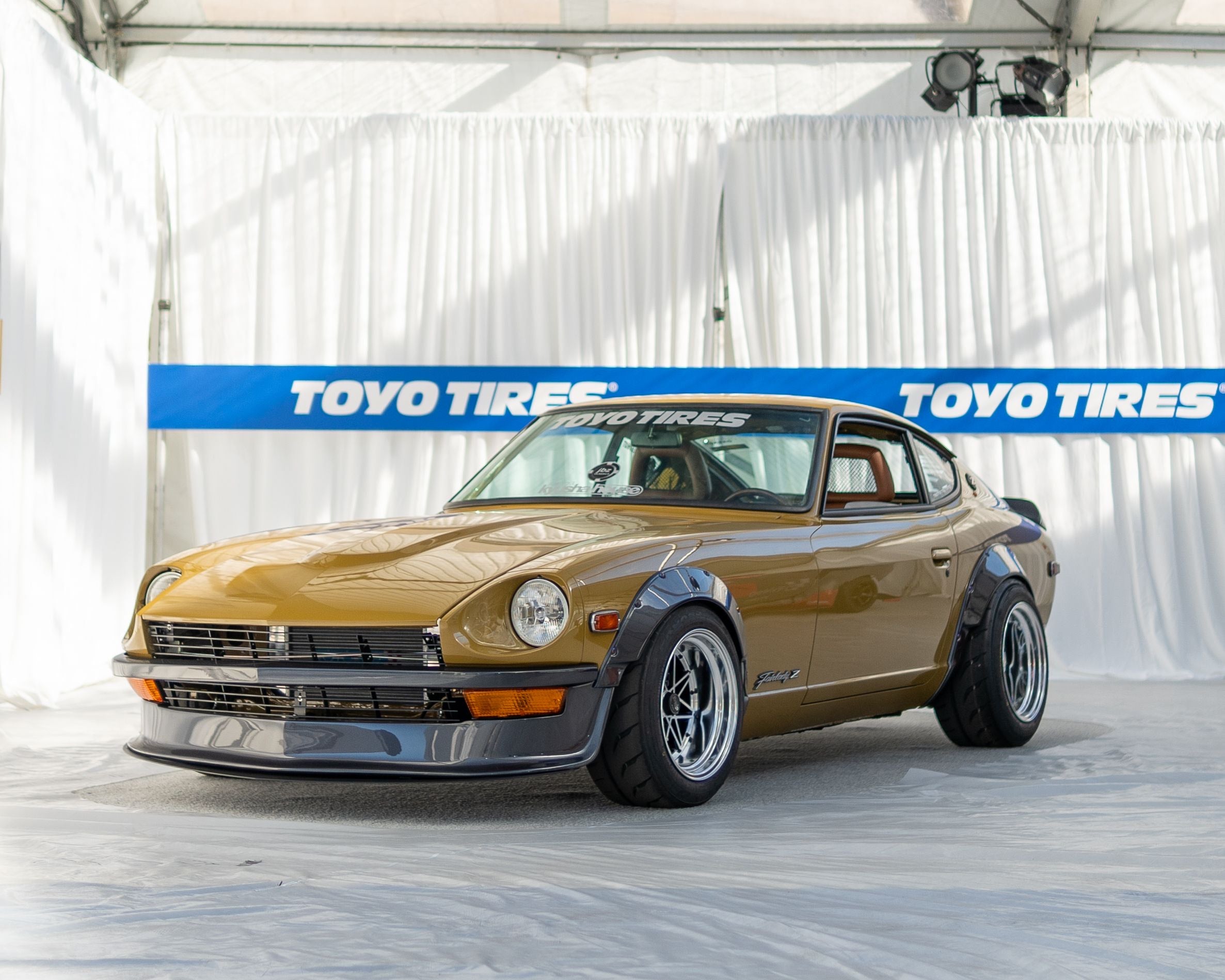
The S30's proportions are worth a second look before settling on a final choice. That long hood is a big part of why fender mirrors fit well on this car - positioned out on the fenders, they sit ahead of the driver's eyeline and feel like a true extension of the body instead of something tacked on as an afterthought. Not every mirror style manages to get that same effect, so that difference is worth keeping in mind as you hold each option up against the full silhouette of the car.
Build Your Dream Car
The right mirror for a build comes from what the rest of the car already says. A true numbers-matching restoration will want the OEM - full stop. A track-leaning street build with a performance-forward personality fits the bullet mirror profile almost perfectly. For a grand touring-style car with a more refined feel, the Italian fender mirror makes a very strong case. When the car's direction guides most of the choice, everything else gets much easier.
It'll only get older, and the builders who wrench on them are the ones who actually choose what the next generation of Z enthusiasts will even get to see and experience. That level of authenticity (right down to something like mirror choice) is a big part of what keeps the legacy of these cars alive.

Along those lines, if the mirror topic has you thinking about what else your build could use, we cover that ground at Skillard.com. Our full lineup was built specifically for Datsun S30s and other Z-cars, so none of it's a generic fit or an afterthought. Bumpers, aluminum door cards, center consoles and spoilers - there's a wide spread of parts that covers just about every direction that you'd want to take a build like this. The aluminum interior pieces are personally some of my favorites in the whole catalog - they add quite a bit to the feel of the cabin without being excessive. Check us out at Skillard.com to browse the full lineup and find the parts that move your project forward.