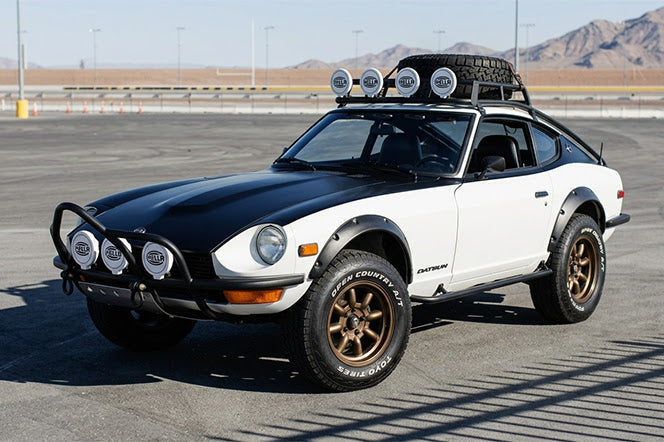

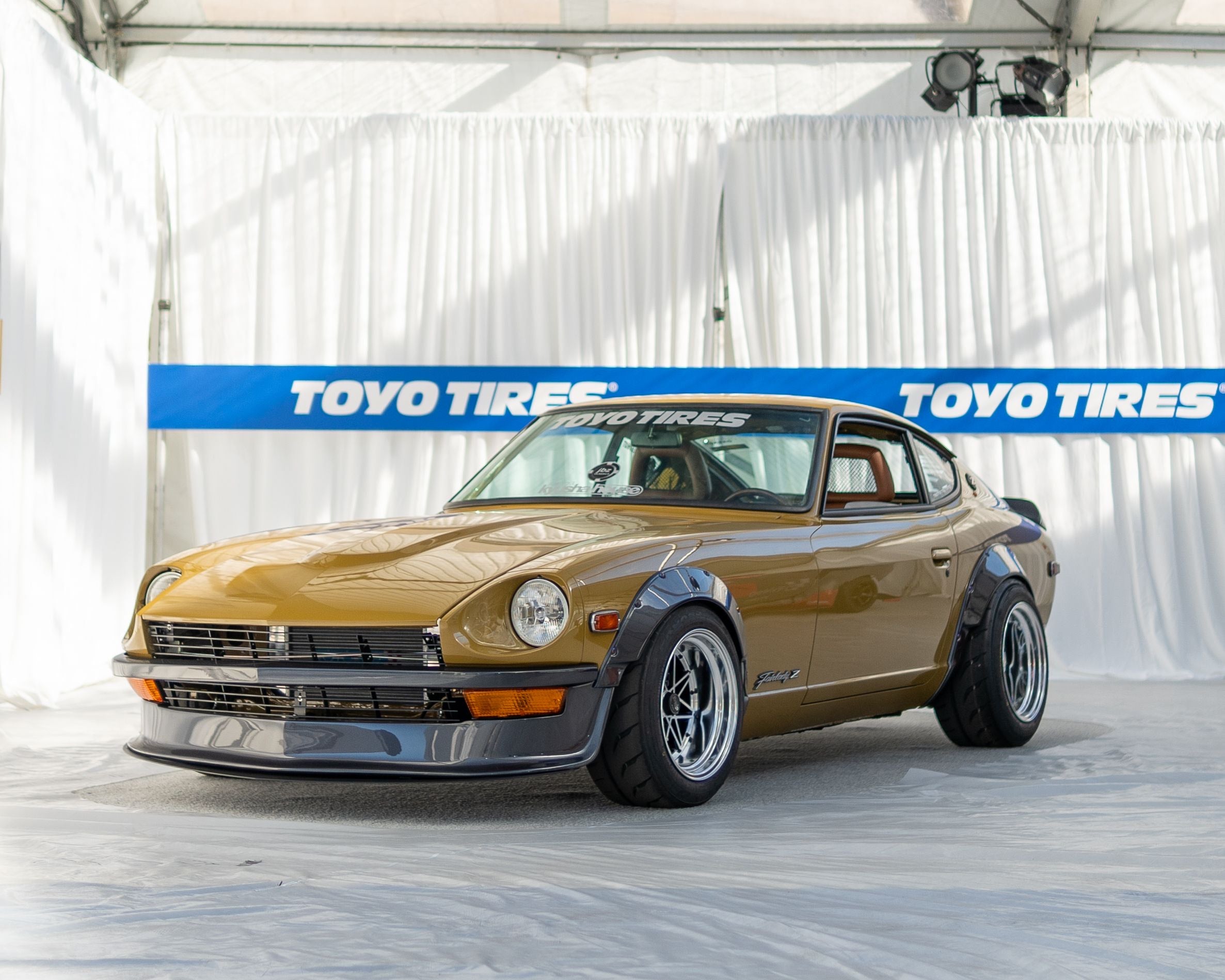
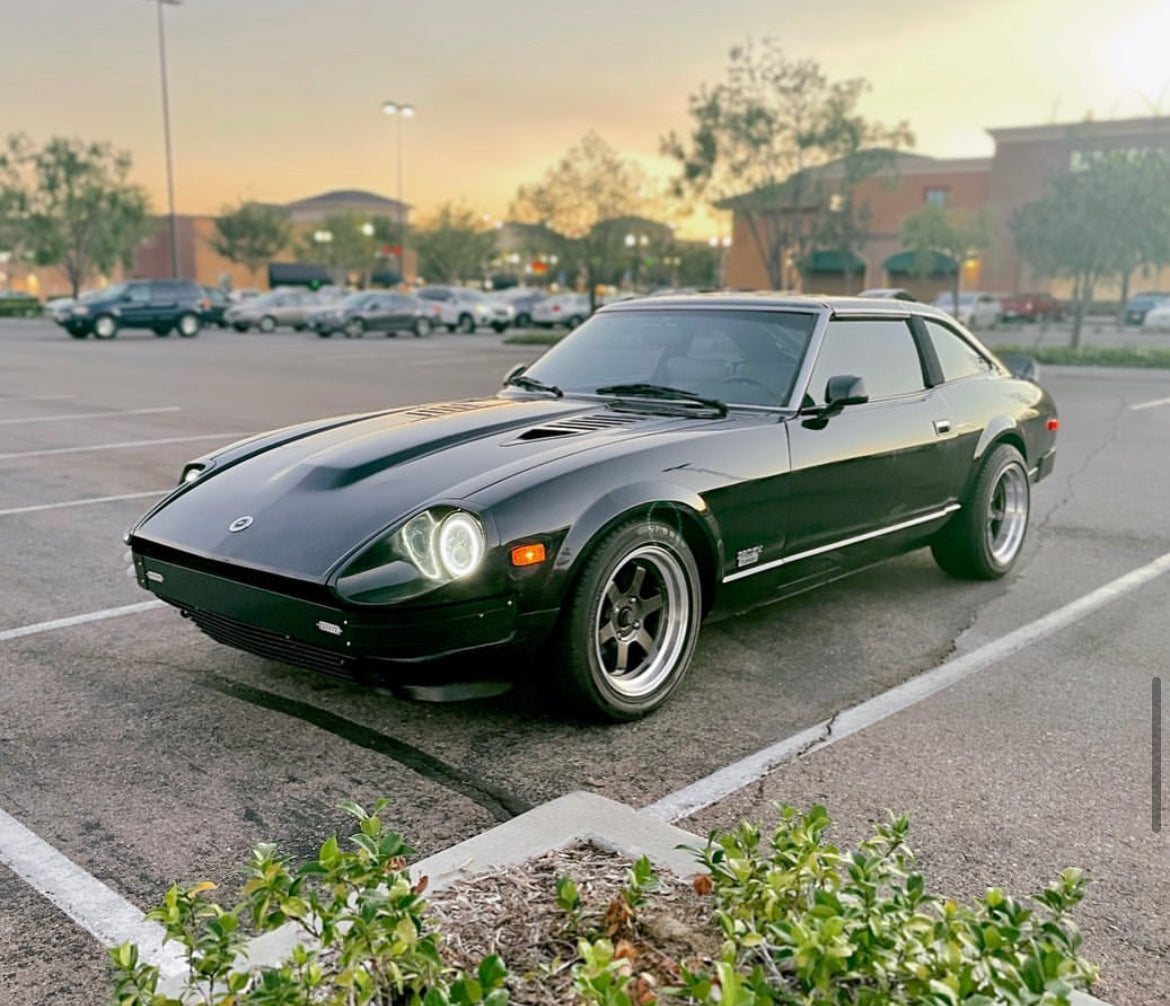

A vinyl wrap on a Datsun 240Z or 280Z is a demanding job - especially once the vinyl meets its first compound curve. Most owners come across this topic for a reason, and it's not because the job is easy. The Z is nowhere near an easy car to work with - and without the right prep work, the distance between enthusiasm and a finished result can grow pretty fast.
The reasons that owners go this way make plenty of sense - maybe you want to skip the cost of a full respray, leave the original paint untouched or just give a worn-out exterior some new life.
These cars carry fifty or more years of history in every panel, and all that history comes with actual complications. A newer vehicle is a different job altogether.
A vinyl wrap on a Z, done right, can preserve the car's originality, hold its resale value and get you a finish that you'd be proud to show at any car meet. Cut corners, and you end up with an expensive lesson in what not to skip. More than anything, it all comes back to honest prep work, the right technique and a sense of what this particular car actually needs from you.
I'll talk about the surface prep, the areas on a Z that usually give owners the most trouble and the decisions to work out long before you ever unroll a sheet of vinyl.
Let's find out what it takes to wrap these classic Japanese sports cars!
Table of Contents
The Z Curves Are Hard for Beginners
The 240Z and 280Z are very beautiful cars - and ironically, that beauty is a big part of what makes them so hard to wrap. Nissan's designers built these cars around dramatic body lines and flared fenders that all seem to blend right into each other and just look effortless on the car. But it's a whole other challenge to convince vinyl to follow those same curves and transitions.
Modern cars with flat doors and squared-off panels are more forgiving for a first-time wrapper.

The flared fenders deserve extra attention. They curve outward and then tuck back in on themselves. That compound shape is right where most beginners start to lose their patience - I see it every time. The vinyl tends to wrinkle or lift at the edges on curves like this. The right technique and patience are the only ways to get it to sit nicely and flush.
It's worth saying first - this is an intermediate-to-advanced project, and there's a reason for that label. A motivated beginner can still take it on, and plenty do. But it's helpful to try to have a picture of what's involved. The curves on a Z are more demanding than they look - it's usually where these projects start to go wrong.
The upside is that these skills are very much learnable. Start with smaller sections first (door jambs, mirrors and smaller flat panels). That'll do more for your confidence than any tutorial video ever could. For anyone who hasn't wrapped a car before, it's best to treat this as a project that rewards patience more than raw talent. The Z will challenge you, and it'll also teach you skills that carry over to every wrap that you do after this one.
How to Handle Old Paint and Surface Rust
Old paint and surface rust are probably the two biggest obstacles between you and a clean wrap on a 240Z or 280Z. Vinyl is brutally unforgiving - it follows every ridge, scratch and imperfection on the panel beneath it, and it doesn't hide any of them. A small bump that was barely worth a second look before will show up a whole lot more once the wrap goes over it.

These cars are over 50 years old, and age like that tends to leave its mark in ways that don't always jump out at you. Old body filler, rust pits and paint that's starting to lift can all make a wrap look a bit uneven - or stop it from bonding the way that it should to the surface. Most of these problems won't show up until you're already deep into the cleaning and prep work on each panel. At this point in the process, make sure that you've actually gone over every panel up close. A close inspection in decent lighting is worth every minute of your time. Get your hands on each surface and feel for any dips, raised edges or any texture that just doesn't belong.
Any area with active rust has to be dealt with before the vinyl goes anywhere near it. Pitted metal is a problem, too - the wrap will just stretch right over those pits and leave a surface texture that looks like an orange peel. Any paint that's already flaking or peeling needs to come off first as well - the vinyl should have a flat and stable surface to bond to. On a car this old, all that prep work alone can take just as long as the wrap itself - and sometimes even longer.
Remove the Trim Before You Wrap
Before any vinyl goes down, the bumpers, trim pieces, emblems and rubber seals all need to come off first. On a Z, especially, all that factory chrome and vintage hardware sits right up against the body edges - which is right where the vinyl has to tuck in cleanly. With everything still in place, there's not enough room to get it right, and the finished wrap will show it.
The idea of leaving the trim on to save a few hours is tempting. Edges that are wrapped over hardware have a habit of lifting over time. Even when they do hold, the finished look usually isn't quite right from day one. The Z's trim and seals sit very tight to the body, and vinyl almost never tucks underneath them cleanly - a ridge or a bubble is almost inevitable.

With everything pulled off, you're left with open edges and control over where the wrap ends. Plenty of installers don't give that part nearly enough credit - it's one of the easiest steps to skip and one of the hardest mistakes to fix once the vinyl is already down.
Reassembly deserves just as much attention. On older Z's, quite a few of the clips and fasteners have become brittle over the years. A bit of patience and a careful hand matter here. As you pull each panel off, keep its hardware together - a labeled bag or a small tray for each section works well. The wrap itself is actually the easier half of the job in my experience. Don't let reassembly be the part that slows you down at the end.
Use Heat Around the Fender Flares
A heat gun is probably the single best tool in your kit to wrap a Z-car. The 240Z and 280Z have very aggressive flared fenders and compound curves. The vinyl needs to stretch and move in multiple directions all at once to follow those contours. Without a reliable heat source, the material just won't cooperate - it'll lift, pull back and resist no matter how much pressure you put on it.
The technique does take some time to get right. Work the vinyl in slowly with controlled heat passes and always smooth it outward from the center of the panel first, which releases the tension in the film before it gets a chance to set. A rushed application is where most of the problems start. Bubbles and wrinkles will form underneath, and within a few days, the edges will lift and peel.

Most installers get their reps on flatter panels first (hoods, door skins and the standard work on a standard sedan), and those jobs are practice. But they don't get you ready for what the Z will ask of you. Flat panels and gentle curves are more forgiving - vinyl slides across them without much resistance. The Z's fenders are a whole different situation, with aggressive compound curves that can expose any weak areas in your technique - and it's always at the hardest parts of the panel.
The great news is that most of these problems are very fixable. Patience is the biggest asset that you bring to a job like this. A second pass over a tough section (with steady heat and a willingness to reposition the film before it sets) is what separates a wrap that lasts from one that starts peeling within a week. It's not a fast process, and there's no shortcut around it.
Is a Wrap Worth the Money?
A professional vinyl wrap on a 240Z or 280Z will usually run you anywhere from $2,000 to $4,500 - and yes, that's a pretty wide range. But there's a reason for it.
For plenty of Z owners, the price is a big part of the appeal. A fresh look without having to touch a full restoration budget is already a deal, and the fact that wraps can peel off cleanly makes them even better. You can always peel it off and start over if you want to sell the car or just feel like going a different direction with it. Not many mods give you that freedom, and it's one of the main reasons wraps have become so popular with Z owners.
The downside to going cheap is that a low-quality wrap has a way of making itself known. The vinyl matters, and so does the installer - they directly affect what the final result looks like. On a car like the Z, any shortcuts in either area are going to look great for the wrong reasons. A little extra money up front is usually worth it.

Before you move forward with anything, it's worth being honest with yourself about what you actually want from this car. Maybe you're trying to get it back to something close to its original, or maybe you're just refreshing the paint to carry you through the next few years without locking in any permanent decisions. It's worth answering that question first - and the answer will change where your money needs to go and which materials are worth the upgrade.
A restoration-minded wrap and a purely cosmetic one are two very different projects, and any decent installer will want to know which one you're after long before they ever put a quote together.
Wrap That Keeps Your Original Paint Safe
Plenty of Z owners will lay a wrap over their original or freshly painted bodywork before they head out to a show or a local event. Once the day is over, it peels right off and leaves the paint underneath untouched.
Well-preserved original bodywork carries plenty of weight in the Datsun Z community. A numbers-matching 240Z or a 280Z that still has its factory paint - that's a car worth protecting. Wrap makes that possible with no permanent changes to the car at all.
The temporary nature of vinyl is the whole point here - not a flaw in the product. A car owner can go with a loud color or a striking custom design for an entire season and then peel it right off and have the original finish back without a trace left behind. No other product on the market actually gives you that sort of freedom with your vehicle's appearance.

Wrap is also one of the few ways Z owners can put their own personality into the car without any changes to the paint at all. In a community where originality means quite a bit, that balance between personal expression and long-term preservation is a genuine consideration - and wrap takes care of both at the same time. That's just the point for plenty of Z owners.
Wrap covers a lot of ground here, too. A freshly restored shell headed into its first show season, and a clean original exterior that just needs some protection at an outdoor event - wrap works for both situations equally well. The main draw is that it protects what's underneath without any permanent changes - and for a community that legitimately wants to keep these cars as close to original as possible, that's pretty hard to argue with.
Build Your Dream Car
A 240Z or 280Z wrap is something you can pull off - it's just not the project that forgives shortcuts or overconfidence. These cars have character built into every curve, and this character asks something back from you. Whether you hand the car off to a professional or take on the job yourself, an idea of what it takes will go a long way toward a result that you can be proud of.
One of these cars already says something about who you are. These aren't low-maintenance vehicles, and they obviously weren't built with convenience in mind. That same energy just carries into how you take care of them. A wrap that comes out just right (one that got the time, the patience and the right prep work that it deserved) is worth being proud of. The same goes for the call to bring in a professional with more experience - that's not a shortcut - that's judgment. As long as the work gets the care and attention it deserves, you're on the right path.

Exterior care is only one part of keeping your Z in top shape. At Skillard, we make custom parts built exclusively for Datsun cars (the 240Z, 260Z, 280Z and a few others), and our catalog covers plenty of ground. Bumpers, aluminum door cards, center consoles and spoilers - whatever direction your build is headed, there's a chance we have something for it. You're already putting effort into your car, so it's well worth a look at what else is out there. Check us out at Skillard.com to see everything we have available for your model.