


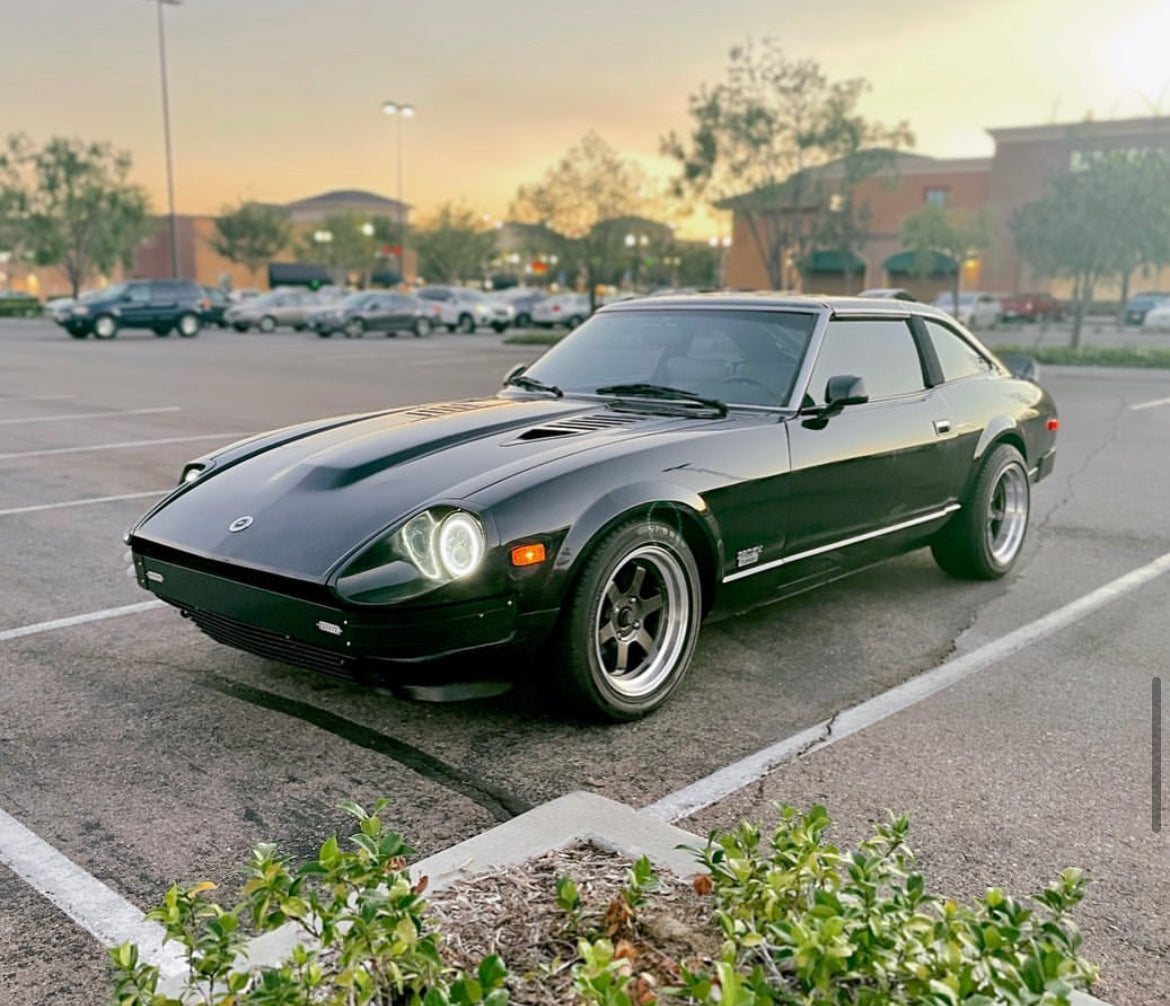

Rust in the dog leg tends to show up at the worst possible time. The paint starts to bubble near the lower B-pillar. You tap it with a screwdriver, and the metal underneath gives way, and what felt like a minor paint issue two minutes ago is now something far worse. On a unibody chassis like the S30, that gut-drop feeling is warranted - this area is where the rocker panel, the door pillar and the floor structure all meet. Rot here goes deeper than the surface and spreads quickly.
Most of a repair like this comes down to the question of which direction to go. Patch panels are a fraction of the cost of a full replacement, and for damage that's isolated, they can be a valid choice. Cut corners on a structural section, and you'll usually be doing the job twice - the second pass is never cheaper or easier than the first. Full panel swaps do take more time and money up front. They also bring the full extent of the damage to the surface in a way that a patch job just won't. That sort of discovery can be a painful one.
Neither option will be the right fit for every car or every wallet. What's actually underneath the surface is the question worth asking.
An honest look at how the car gets used day-to-day matters just as much as which repair strategy you go with. A weekend cruiser with one isolated patch of surface rust is in a very different situation than a track car with rot that has spread across multiple panels. In my experience, this assessment (done before anyone even picks up a welder) is the single most important step an S30 owner can take.
Let's take a look at each repair strategy so you can choose the right fix!
Table of Contents
Why the Dog Leg Corner Matters
The dog leg is the small corner where the lower B-pillar and the rocker panel meet - not the part of a car that anyone spends much time on. What it does for the structure matters a great deal.
This junction plays a massive role in how stiff the unibody stays under a load. The B-pillar above it and the rocker panel below it feed force directly through a point - it's a lot to ask of a small section of metal. Even with the car just parked, the metal right here is under steady load.

The door fit is usually one of the first to go. A door that once closed with that satisfying thunk will start to sag or bind at the latch, and the gap lines around the frame will start to drift. It's not a hinge problem or a quick adjustment. The body itself is losing its shape.
Quite a few owners don't account for how load-bearing this area actually is - and with S30s specifically, I see it overlooked. It's tempting to write the dog leg off as a cosmetic panel and move on. This corner ties directly into the floor, the sill and the pillar all at once - where three structural members meet at a single point. A rust patch here is never a surface-level fix. The question is always how far into the structure the damage has traveled. That can depend on what the metal looks like once you get into it.
Even a small amount of rust in this area is usually far worse underneath the surface. Minor patches usually turn out to be a much bigger deal once the layers start to come off. An honest read on the damage before any metalwork starts is what separates a quick fix from a much longer job.
Check How Far the Rust Has Spread
What's on the surface doesn't usually tell the full story, and paint can hide quite a bit. On an S30 dog leg especially, it does.
Not all rust is created equal, and the difference between surface rust and rot matters quite a bit before you do anything else. Surface rust sits on top of the metal - it hasn't eaten into the panel's thickness yet, which means it's still workable. Rot is a whole different matter. The metal has thinned out, weakened or gone through at that point, and no amount of sanding will bring it back.

The worst of the damage usually hides in the inner structure - that's the hard part with a dog leg. It's a layered panel and rust can work its way in between those layers without ever showing up on the surface. A quick visual check alone just won't be enough.
Get in there and do this right. Take a screwdriver and probe any area that looks discolored or bubbled and press hard - if it feels soft or springy, that's a red flag. Then get inside the car and check the same area from behind. What plenty of restorers find, time and time again, is that once they start cutting into it, the damage runs much deeper than the paint ever let on. It's not hard to convince yourself that the rust is contained to just that area.
Before you make any calls on it, map out the full extent of the rot. The next two sections will cover each path separately (the patch option and the full panel replacement), but none of that matters until you have a sense of what you're actually working with.
The Right Time for a Patch Repair
Shallow rust on a dog leg (the kind that hasn't eaten through the metal yet) is a candidate for a patch repair. That last part matters - it hasn't gone all the way through. If the surrounding metal is still in decent shape and the rot hasn't spread underneath the surface, a patch that's been well-cut and done right can hold up for quite a while.
What makes a patch repair worth doing is the fabricator behind it. A skilled one can shape a patch that fits cleanly, welds flush and actually leaves the area stronger than a rushed full panel replacement ever would. Patch repairs also usually run a bit cheaper, which starts to matter when you have a long list of fixes ahead of you on a classic build.

Your driving habits matter quite a bit here. A weekend driver who shelters the car from rain and road salt is a much better fit for a patch than somebody who drives every day through rough weather and slush. The less that the repaired metal gets exposed to the elements after the work is done, the longer it's going to hold up.
What you need to be honest with yourself about is the condition of the metal around the repair area. A patch laid over metal that looks fine but isn't won't hold up - not for long, anyway. If there's any hidden rust under or around the area that you're working on, a patch over the visible damage just moves the problem along. Patch repairs themselves are one of the best value moves that you can make in a classic car restoration - that's not a knock on them at all. The prep work is where most builders cut corners, and it matters just as much as the weld itself does. Of everything in the process, it's the step that gets rushed through the most.
Full Panel Replacement is the Better Fix
Patches are a decent fix in plenty of situations - rust just doesn't always give you that option. When rust has gone deep into the surrounding metal or worked its way into the structural layer underneath, a small cutout is only going to leave the problem right where it was.
For cars that see hard use, this matters even more. A dog leg carries a fair amount of chassis load, and on a car that gets tracked or driven hard day after day, a partial repair will eventually start to flex and fail well before it should. A full panel replacement is the only way to resolve that.

Hidden damage is the other factor to keep in mind. A partial repair on this panel tends to fall apart for just that reason - and at that point, you're looking at a full panel job anyway, just with quite a few extra labor hours already wasted.
The cost math does change a bit if you think about it long-term. For a car that you're planning to hold onto for years, the price difference between a patch and a full panel swap gets much smaller if you have to pay for the same area twice. From what I've seen, owners who go with a full panel swap on their S30 usually come away more satisfied - they feel confident that the repair is sound and it's going to last.
That sense of relief is very hard to put a price on. No more questions about what's going on behind the repair and no more doubt about whether the work actually held up. The metal is fresh, the structure is sound, and the car is ready for whatever you want to put it through.
Reproduction Dog Leg Panels for the S30 Today
Reproduction dog leg panels for the S30 are far more available now than they were ten years ago, and for anyone who is restoring one of these cars, that's a big deal. Owners can just go for a full replacement, since there are more options on the market - they don't have to piece parts together with a patchwork of fixes just to get by anymore.

Panel quality can vary quite a bit from one manufacturer to the next. Metal thickness is one of the first areas to check, and the shape accuracy is another - specifically, how well the contours actually match the original. Not every reproduction manufacturer gets this right. Before you put any money down, it's worth taking a few minutes to read what other Z owners have had to say about a particular panel. Some reproduction parts drop right into place without any fuss, and others are going to need a fair bit of extra work before they fit the way they should.
The Z community has decades of collective experience with this sort of work, which is a massive leg up for anyone who is new to restoration. Forums and owner groups are among the best places to find some firsthand fitment feedback on reproduction parts - the specifics that a product listing is never going to give you. One detail to look at is whether a panel matches your model year. Small body variations did crop up across the production run, and those little differences do add up when you're trying to get everything to line up the way it should.
On the logistical side, plenty of restorers go ahead and order the replacement panel early in the project - sometimes long before they're ready to install it. It's just a smart idea to have it on hand ahead of time. A restoration can lose its momentum fast if parts are still in the mail when you're ready for them. With the panel already in your shop, you can just get to work whenever you're ready.
Fit the Door Gap Before You Weld
Before any welding even starts, the fit's where most of the work actually lives. Reproduction panels are built to general tolerances which almost never line up just right with a 50-year-old car. A little adjustment time is just part of the job.
A dry-fit's the biggest step in this whole process, and it's worth doing more than once - don't rush past it. Get the panel clamped into position, hang the door and look at how the gap sits before locking in anything permanent. The opposite side of the car is your best reference point for this - if the other dog leg is still intact, you can use that gap as your target.

A weld is permanent and a bad gap might as well be too. The time it takes to grind back a weld and start from scratch is far greater than what you would put into the fit before you ever strike an arc. Most experienced restorers will say it straight (measure twice, weld once), and it sounds almost too basic to bother repeating. But it gets skipped more often than not, and once you've already spent hours tracking down the right panel and had it prepped, impatience has a way of making that call if you give it the chance.
There are two mistakes worth catching before you strike an arc. The first is welding too soon - before the panel has had a chance to settle into position under load. Metal moves, and once everything is clamped and weighted down, the fit can change quite a bit from how it first looked. The second mistake is overlooking how the door swings. A gap that sits just right with the door closed can bind or come out uneven once it travels through its full arc of motion. Check it in each position (static and in motion) before you lay down a single bead.
Spend More Now or Pay More Later
Before you go with either option, it's worth taking time to run the numbers on this one. The labor hours for careful patch work, the materials themselves and the time it takes to blend everything back in - those costs add up fast. A full replacement panel costs more at first, no question about it. What it does give you is the assurance that no rust got left behind in the process.
The other factor to consider is what the car means to you. A car that you drive every day and plan to sell in a couple of years has very different needs than a long-term restoration project that you'd like to keep. An honest answer to that question is worth having before you pick a direction.
S30 buyers look over the dog legs pretty closely, and a patch that's even slightly off will raise red flags with any sharp-eyed buyer. A well-executed full panel replacement tells a much better story - and the next owner will legitimately like it.

The structural side of this matters just as much as the cosmetic side - it's especially true in the dog leg area. Strength is not something you can compromise on there - it's one of the last places on a car where you would want to cut corners. A patch that just covers rust without actually removing it first can do real damage to the structure, and a problem like that doesn't stay small - it gets worse.
Rust spreads fast, and I see it regularly - someone patches an area without tackling it and then finds themselves back at square one a year later. Your budget, your skill level and what you plan for with the car long-term are all worth thinking through before anything else. No single answer fits every car, or every owner, and the right call for your situation is worth figuring out before any metal gets cut.
Build Your Dream Car
The right repair call does come down to three factors - how deep the rust has gone, how you're going to use the car and what your budget can work with. Every situation is a little different, and there's no universal answer here. Once you've worked through those three questions for yourself, the path forward usually gets much simpler on its own. The worst mistake that you can make is committing to a fix before you've mapped the full extent of the damage - do an inspection before ever picking up a grinder.
These cars are worth doing right. A 240Z, 260Z or 280Z with a well-planned dog leg repair has plenty of great miles left ahead of it - it's worth working toward. Dry-fit the panel more than once, check those door gaps against the other side and don't let impatience pull you away from the steps that actually matter. For anyone who is willing to put in the work and see it through, this job is very much doable.

That same mindset carries over into every other part of the build. At Skillard, we design and make our custom parts specifically for Datsun cars, with a full catalog that runs from bumpers and aluminum door cards to center consoles, spoilers and plenty more. Whatever stage your project is at, the lineup more than likely has something in it that fits where you're headed. Check us out at Skillard.com to browse through the full catalog and find the right pieces to bring your vision for this car to life.