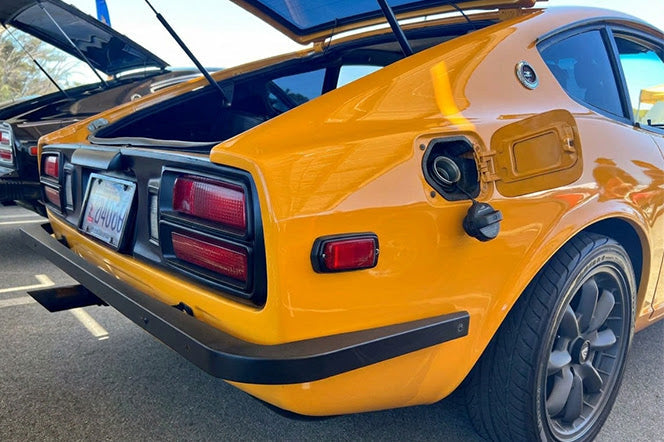

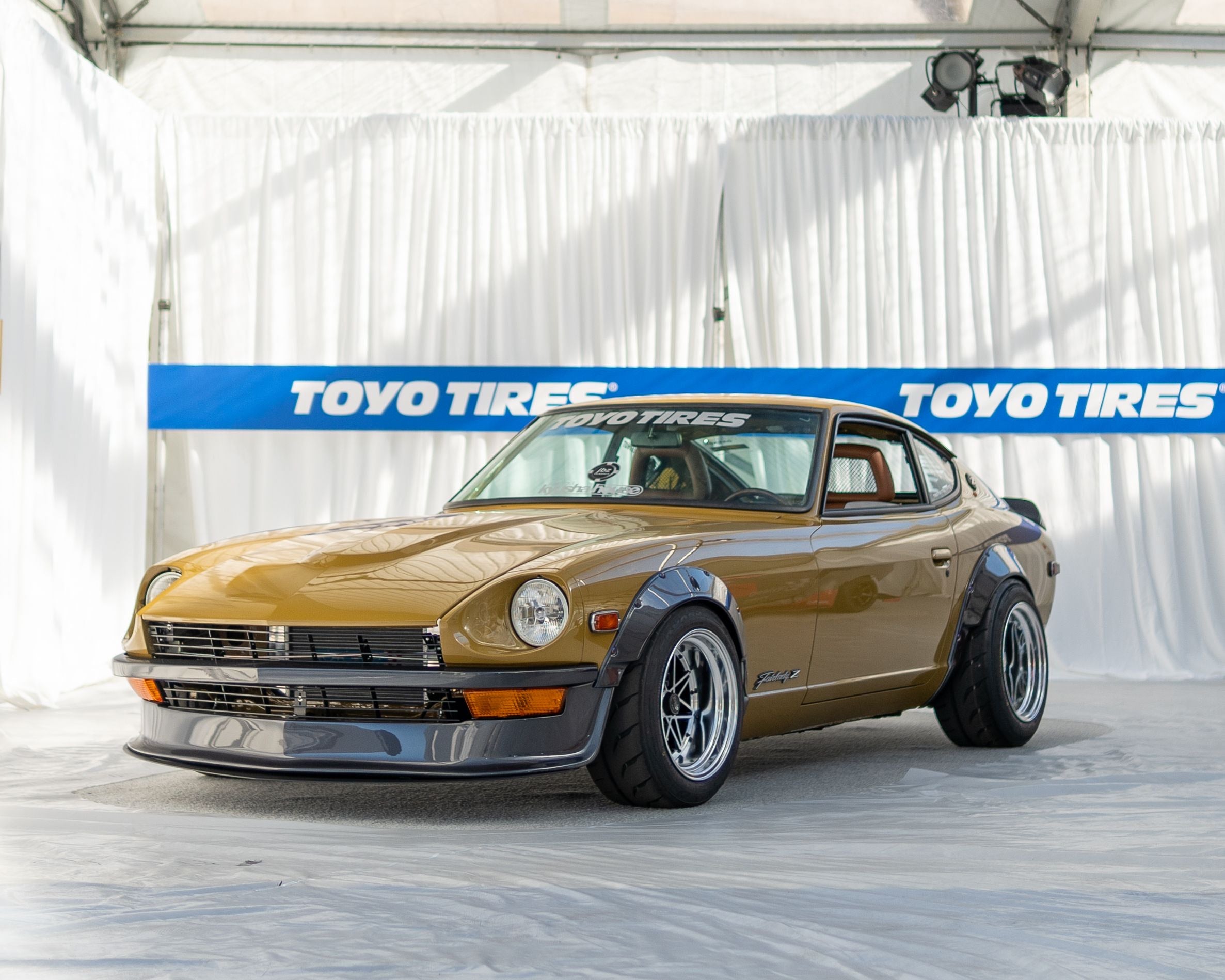
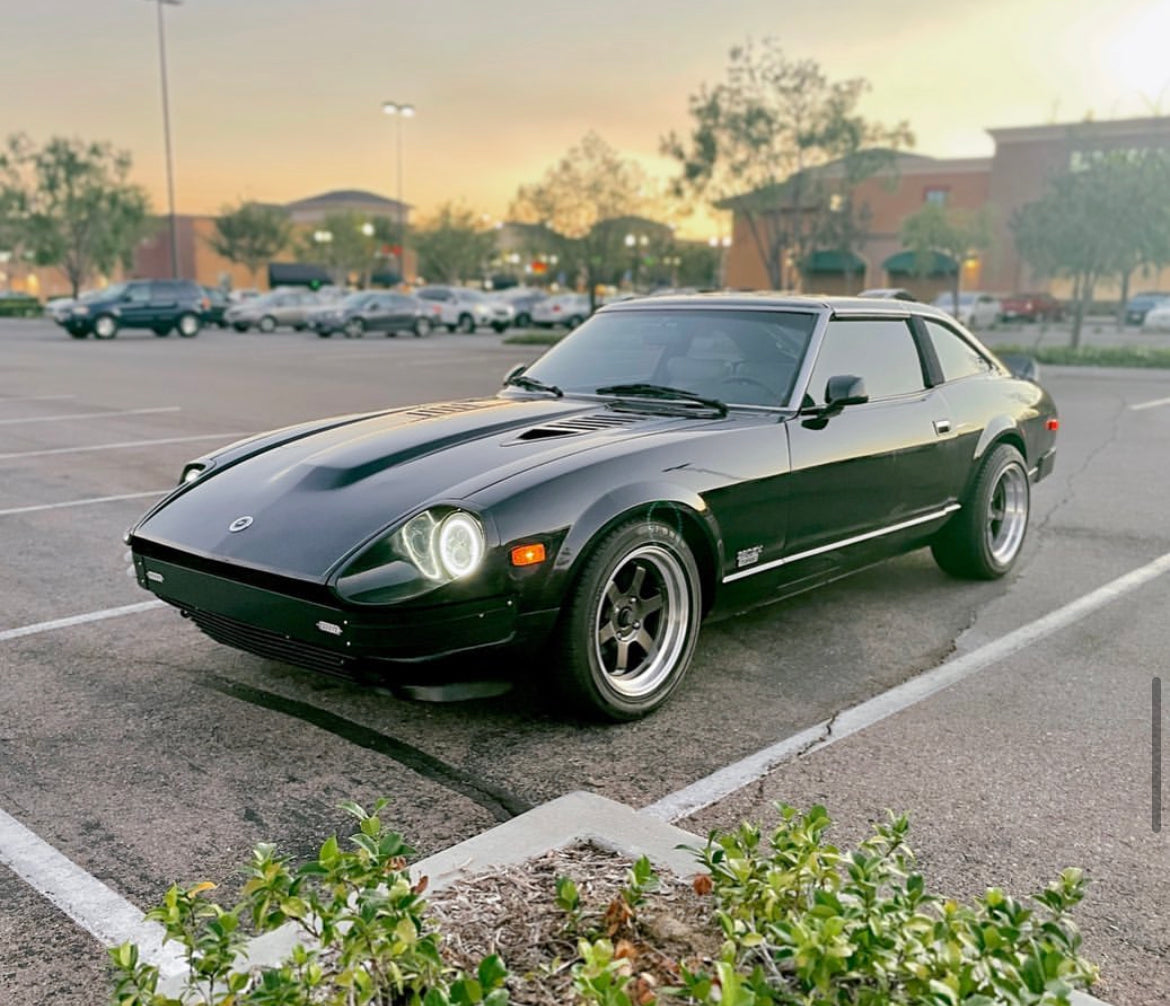

Few moments hit harder for an S30 owner than pushing a screwdriver into a frame rail and watching it just disappear. The 240Z, 260Z and 280Z have earned a legitimately devoted following over five decades of enthusiast ownership (and rightly so), but their thin sheet metal and near-absent factory rust protection mean that even a car with a clean exterior can be sitting on some structural rot tucked away under a fresh layer of undercoating or a thin skim of body filler. A fresh paint job can cover a whole lot of sins on these cars.
Most owners looking for a fix will find that the path splits in a few different directions fairly fast. Reproduction panels cover a decent chunk of the more common problem areas, and that's a fair starting point for plenty of builds. Full used shells do pop up from time to time, and imported Japanese examples usually arrive with noticeably cleaner metal to work with. Newer options from overseas manufacturers have also come onto the market over the last few years, and this development has legitimately shifted the conversation around what's actually worth pursuing. Every path carries its own trade-offs (cost, legality, fitment and ties to the original VIN), and those trade-offs can land very differently based on your plans for the car.
These cars still draw enthusiasts in even with all that, and I can see why. The S30 platform was a genuine turning point in the sports car world, and the community around it is one of the most passionate out there. Some level of rust just comes with the territory on most examples - at this point it's practically a given, and that's why every available option is worth weighing before you spend a single dollar. The worst place to be is halfway through a project with no path forward, and having a full picture of what's out there helps avoid that.
Let's find out if a brand-new Datsun S30 body shell is possible!
Table of Contents
Nissan No Longer Makes S30 Body Shells
Sadly, it's not great news - Nissan stopped production of S30 body shells when the car went out of production in the late 1970s, and a factory-fresh shell was never made available after that. There's no forgotten warehouse full of new-old-stock and no direct-from-Nissan path - this has just been off the table for decades.
Nissan did show some genuine love for the S30 in the late 1990s through its Vintage Z program. Original 240Zs were professionally restored and sold through Nissan dealerships in the U.S. - which was a pretty cool gesture for enthusiasts at the time. Those were restored cars and not brand-new body shells built from scratch. That distinction matters for anyone who specifically needs fresh metal.

We should also ask why Nissan never bothered to bring the tooling back. A handful of British manufacturers have done just that for their own classic cars - they went back into production on body shells and gave owners a legitimate path to a full restoration. Nissan hasn't made that move with the S30, and nothing out there seems like it's even on its radar.
That's a legitimately frustrating place to land for anyone who wanted a straight answer on this. The S30 has one of the most devoted fanbases of any Japanese classic, and the demand for rust-free metal is very real. From what I've seen, these cars are already decades deep into a losing battle with corrosion - a factory shell fix would be a massive deal for the community. Nissan just hasn't gone there, and sadly that's where it stands.
The bright side is that the market hasn't just waited on Nissan to catch up. Other avenues are out there, and a few of them are actually pretty great.
The Worst Rust Spots on the S30
The S30 came from an era when rust protection was barely on most manufacturers' radar. With bare steel, minimal undercoating and practically no drainage in the body seams, these cars had the conditions for moisture problems built right into them from day one. From almost the minute they left the assembly line, they had already started to trap water.
The frame rails, floor pans, rocker panels, strut towers and battery tray are all going to be your main problem areas for rust. The battery tray in particular is worth a close look - battery acid eats through metal faster than almost anything else on the car, so rot tends to set in there earlier and more aggressively than just about anywhere else.

One of the harder parts of an S30 buy is that sellers don't always know what's hidden underneath the car. A thick coat of undercoating sprayed right over a rotted floor pan is one of the oldest tricks in the used car world. Bring a pick tool and a flashlight and actually get under there.
When you look at any S30, run your hand along the bottoms of the rocker panels and press hard. Sound metal doesn't flex - if there's any give at all, that already tells you something. From there, open the doors and pull back the carpet or floor mats to get a direct look at the floor pans. Pop the hood as well and check the corners of the strut towers for cracks or paint that has started to flake, because either one can be a sign of structural weakness just underneath.
A bit of patience does pay off at this stage.
Patch Panels or a Full Shell Swap
A full shell swap starts to look like a very tempting option when patch panels stop making sense. The basic concept is pretty simple - pull everything off of your worn-out original body and move it all over into a cleaner donor shell.
Your original body shell is what carries the VIN and in most places that number is what defines the car - legally, on paper and in every way. Ditch that shell, and you've more or less walked away from the car's entire identity, and that can be a problem when it's time to sell it or bring it to a show. A matching VIN helps in the S30 world. That's also the case with dedicated buyers and judges.

That's why quite a few owners lean toward patching instead of swapping - it's still true even when the rust is pretty far gone. Reproduction panels are out there for the S30 - the floors, sills and some structural sections are all available if you go looking for them. The quality changes quite a bit from one manufacturer to the next and fitment isn't always consistent. Quite a few of them need a fair amount of work before they'll actually sit where they're supposed to.
The patch-by-patch strategy also tends to snowball, and it's worth thinking through that choice. A floor pan pulls you to the sill, and the sill pulls you to the wheel arch, and before long you've replaced a large portion of the original metal anyway. At that point, a shell swap would have been the better call from the start. A damage assessment up front can save you trouble - the costs and the labor have a habit of slowly stacking up well before you know how deep you're in.
Why Japanese Market Cars Often Have Lower Miles
Japan is one of the best places to start if you want a lower-mileage example. The country's shaken inspection system (Japan's version of a mandatory roadworthiness check) is going to require every registered vehicle to meet some pretty strict standards, and the repair bills to bring an older car up to those standards can get pretty expensive. Owners sell or retire their cars well before they've worn out, and that means there are plenty of Fairlady Z examples out there that spent most of their lives in a garage instead of being hammered on the road for decades.
One point worth keeping in mind - "preserved" and "rust-free" aren't interchangeable. Cars near Japan's coastline face the same salt air as anywhere else, and a few listing photos can only tell you so much about what's going on underneath. Corrosion can hide just below the surface of even a pristine-looking car - and with any remote buy, there's some level of uncertainty that only an in-person inspection can resolve.

The logistics side is worth planning out before you get too far into it. A full body shell shipped across the Pacific is not cheap, and the customs paperwork will add time and money on top of that. The right-hand drive registration can get a bit involved depending on your state or province, and a clean title for an imported shell is a whole separate process on its own. Don't underestimate how much administrative legwork is actually wrapped up in this - it's probably the part I get asked about most.
None of this is a dealbreaker, and plenty of buyers have gone down this path and ended up with a car to build from. The main point is to go in with a sense of what you're committing to.
Get an inspection agent lined up on the ground in Japan before you put any money down, pull accurate shipping quotes early on instead of rough ballpark numbers and verify your local import laws before you get too attached to a particular car.
Are Fiberglass and Composite Panels Worth It?
Rust is a fact of life for plenty of car owners - a never-ending battle. Fiberglass and composite body panels are a decent alternative if you're tired of it. They won't corrode, and they're also noticeably lighter than the original steel. That weight difference can translate into a genuine performance edge.
But lighter has a downside. Fiberglass just doesn't absorb hits the way steel does, and those crash safety trade-offs are actually worth your consideration before you follow through with it.

Resale value is also worth some thought. Purist collectors usually put a strong premium on original steel construction, and a composite body can turn some of them away. It matters much less if the plan is to hold onto the car for the long term - but it's still smart to know what you want out of this before you make a call.
Racing is a different story altogether. Organizations like the SCCA have class regulations that spell out just what materials are and aren't acceptable, and some classes will specifically call for original steel. It's smart to read through the regulations before you put actual money into a composite shell if you're looking to compete.
The history of the S30 carries meaning for plenty of owners. Bob Sharp and Paul Newman raced Z cars at the highest levels of amateur competition in the United States. That legacy means something to the enthusiasts who love these cars. Some of them want to stay as close to the original construction as possible - it's a way to honor what came before. A permanent fix for rust is the more sensible path for others, and a composite shell makes that possible in a way that steel just never will.
How Much Each Route Will Cost You
A basic panel repair can run anywhere from a few hundred to a few thousand dollars (the range does depend on how bad the damage is), and a clean used shell, if you can even track one down, tends to start well above that and only climbs from there. The S30's reputation in the restoration and restomod world has pushed shell prices up pretty steadily at auction, and what felt like a fair deal a few years ago can look like an absolute steal compared to what they're going for now. Imported Japanese cars carry some extra costs before any work even begins - shipping, customs and compliance fees pile up fast.

Composite bodies usually sit at the upper end of the price range as well, and rust is not a problem with them. Rust deserves its own section - and if I had to name the single biggest budget-wrecker in a restoration project, this would be it. Plenty of owners go in with one number in their head and come away with a bill that's two or three times bigger because a small patch of surface corrosion can open up into a full structural repair once the work begins. Rust eats through a budget at least as fast as it eats through metal. Build in a buffer and then add a little more on top of that.
The legal side of a shell swap is also worth working out early. VIN and title laws vary from state to state, and moving everything onto a different shell can create some problems when it comes time to register or insure the car.
Build Your Dream Car
A brand-new S30 shell just isn't out there anymore - you can't order one up, and that's made decent used examples worth more than they've ever been. The right path forward does depend on what you're after - a clean original VIN, a fresh shell with cleaner metal or a way to get the rust out of the picture entirely. Your budget and your skill level matter just as much as your goals do.
There's one question worth settling before you spend a single dollar - whether originality matters more to you or whether a worry-free build does. Neither answer is wrong, and plenty of great builds have come from both directions. Some owners spend years tracking down a clean shell and feel every bit of that effort was worth it. Others take the composite strategy and never give it a second thought.

Owners like to keep these cars for a very long time - plenty of them have been with the same Z for 20 or 30 years. That long-term ownership deserves a build that you actually feel proud of. At Skillard, we've put together a full lineup of custom parts built just for the 240Z, 260Z and 280Z. Bumpers, aluminum door cards, center consoles and spoilers - the catalog runs deep, and there's something in there for just about every build at every stage of a project. Check us out at Skillard.com to browse everything and find the parts that fit your build.