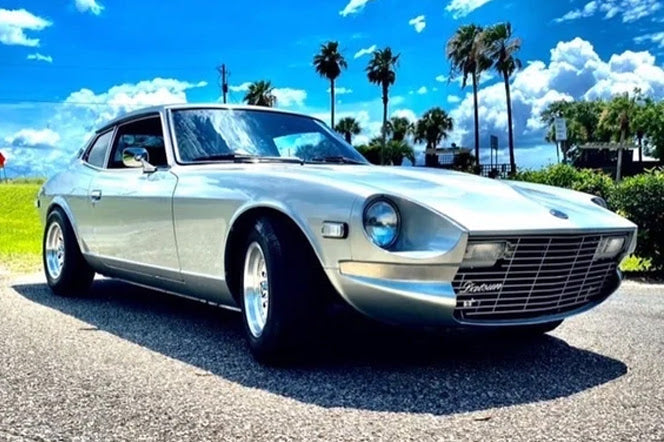

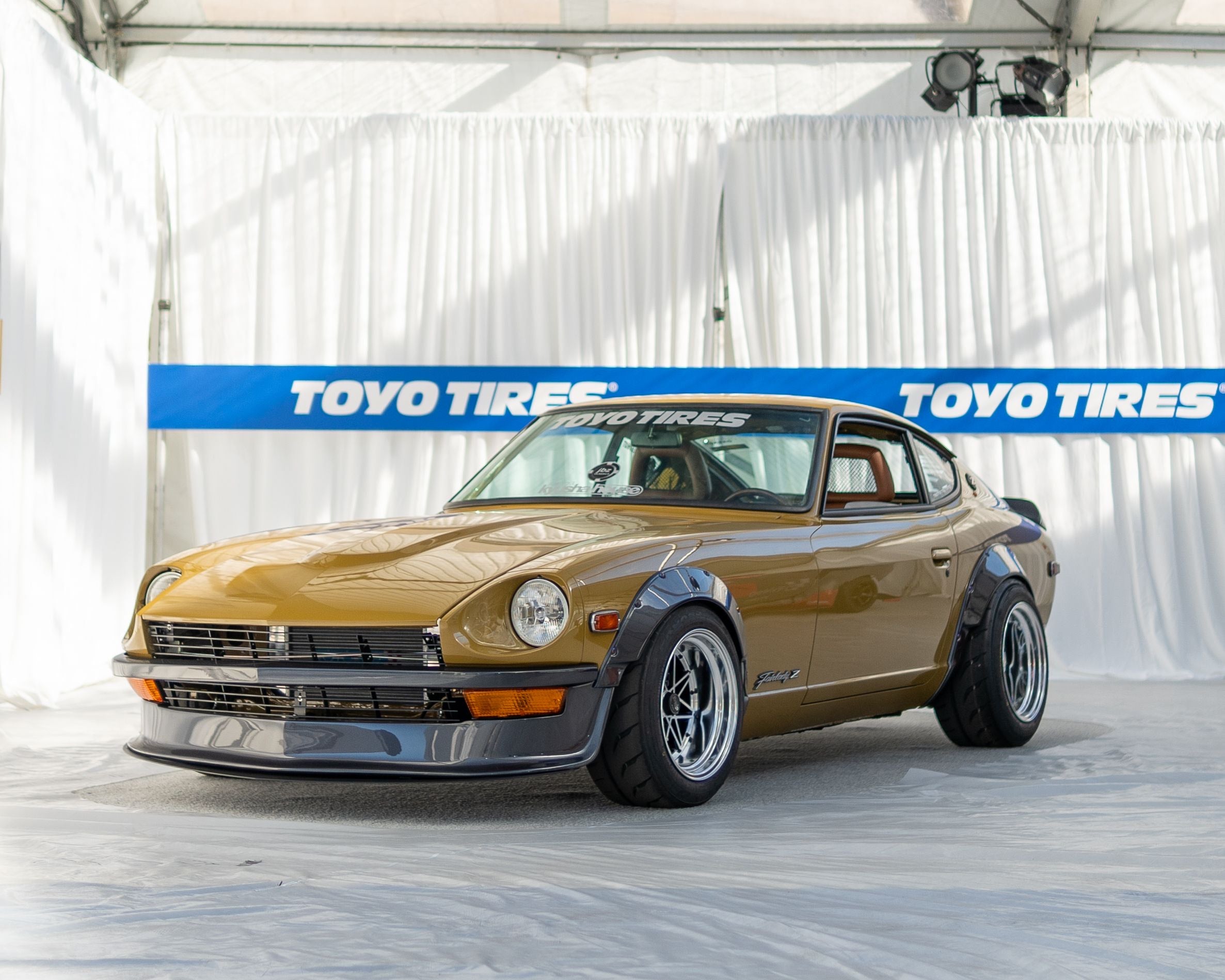
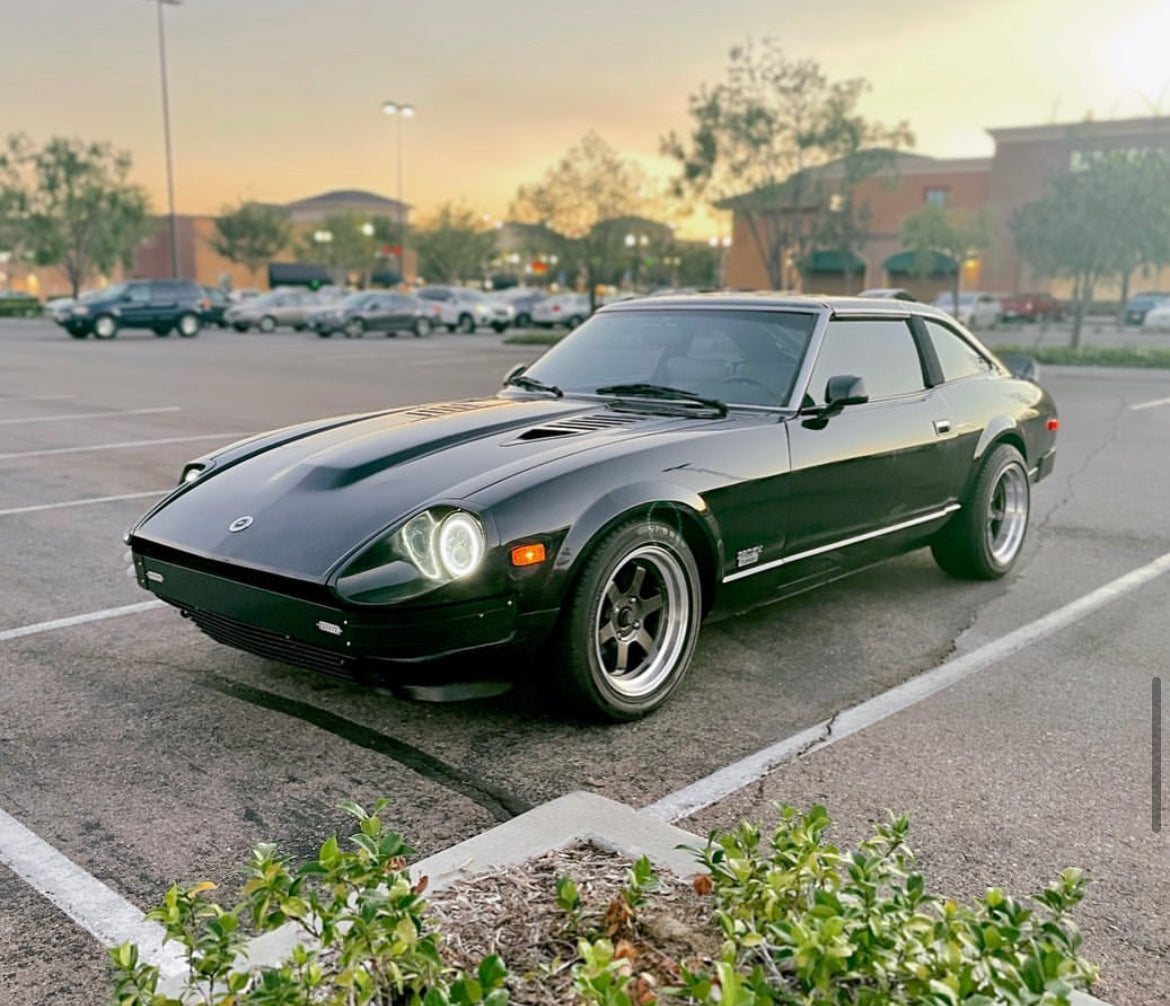

A fresh ding on a 240Z panel is hard to look at. These cars have decades of history wrapped up in that original paint, and the fear of making it worse with the wrong repair technique leaves plenty of owners either paralyzed or pushed toward a full repaint that they never actually needed.
A full repaint is almost never the right move on a car like this - nine times out of ten, it ends up creating more problems than it fixes. The whole point is to preserve what the factory put down from day one, because that's what makes the car worth something to future buyers, concours judges or anyone who gets their hands on it later on. That originality holds its value whether the owner is planning to sell next year or to hold onto it for decades.
The repair options for something like a 240Z can vary quite a bit, from professional paintless dent repair (PDR) to heat-based techniques, with a fair amount of variation in between. What matters just as much as the repair technique is the technician that you go with - a person who really knows vintage metal. A great technician on a modern car is not automatically going to be a great technician on a 240Z - the metal is older, of a heavier gauge, and it reacts differently to just about every technique.
Every one of them has its own trade-offs, and those limits are worth learning about before you pick up a tool (or hand the car off to somebody else) because that knowledge is what makes the difference between a clean result and an expensive mistake. It's a step I'd put at the very top of the list every time.
Let's run through how to fix those dents on your 240Z!
Table of Contents
The 240Z Factory Paint Has Real Value
The factory paint on a 240Z tells you something that no fresh respray ever could. Nissan laid down those original finishes decades ago, and whatever has survived on the car now is a direct link to how it left the factory floor - it's worth something.
For dedicated collectors, that connection carries weight. A 240Z with original paint will get more attention and command more money than one that's been resprayed - even if the new paint looks flawless. The buyers who know these cars will head straight to the door jambs, the engine bay and the underside of the hood to check for signs of a repaint, and they'll do that before they've even glanced at the body panels.

Once a respray ends up on a car's history, it tends to follow the car through every future sale listing, and it doesn't matter how well the work was done or how nice the paint looks - the word "resprayed" alone is enough to make buyers lose interest.
That's a big part of why 240Z owners feel so strongly about keeping the car just as it was when it left the factory. There's genuine pride in being able to say the paint has never been touched. That pride actually carries a dollar amount attached to it. A car with documented original paint will usually fetch more at sale time than one without it - even when the two cars are otherwise identical on paper.
A small dent is worth fixing - just not carelessly. There are a few decent ways to take care of it without ever touching that original factory finish.
How PDR Pushes a Dent Back Out
Paintless dent repair (usually just called PDR) is the preferred way to manage small dents on a 240Z, and there's a reason for that. A technician works with a set of thin metal rods and picks to reach in behind the panel and gently push the dent back to its original shape from the inside out. The paint never gets touched at all during the process, which is the whole appeal of PDR.
That last part is worth a look. PDR needs no filler, no sanding and no color work afterward - and for a car where the factory finish still holds some value, that matters. A 240Z that still has its original paint is actually rare at this point, and once that finish is gone, it's gone. That finish deserves protection.

Metal that gets pushed back into its original position is also more precise than metal that gets built back up with filler from scratch. The panel stays in one piece, the paint stays right where it belongs and when the work is done well, the repair is practically invisible. On a vehicle with restoration-level value, that combination is pretty hard to top.
PDR has become the standard recommendation for 240Z owners for this very reason - to preserve what's original, fix the damage and leave the rest of it alone. A big part of why it works on these cars has to do with the steel itself, which the next section covers in more detail.
Steel Bodies Are a Better Fit for PDR
The 240Z's steel body panels are one of the biggest advantages working in your favor with paintless dent repair. Steel has a natural tendency to flex and (more to the point) to spring back toward its original shape once pressure is applied. That built-in elasticity is a big part of what makes PDR a great fit for a car like this.
Aluminum is far more stubborn than steel and tends to crack or stress the paint above it if a technician applies even slightly too much pressure. Older steel panels (like the ones on a 240Z) work with the tools instead of against them, which is a pretty big edge when the whole goal is to walk away with the original paint.

Panel thickness is worth a mention too. Nissan used a noticeably heavier gauge of steel on the 240Z compared to what goes into most modern economy cars, and all that extra thickness gives the metal a more forgiving response when a technician works on it. Thinner materials tend to snap or buckle under the pressure. But the 240Z's steel holds its shape in a way that keeps the whole repair process steady and controlled.
For 240Z owners who've been a little nervous about letting anyone touch their paint, that's pretty great news. The steel underneath your finish responds to the careful pressure of paintless dent repair extremely well - it was built in an era when metal was meant to flex and move a little without failing or cracking. Modern lightweight materials don't give you that same flexibility. But vintage steel like this tends to be far more cooperative with the whole process.
One caveat, though - the technician's skill level still matters quite a bit. The steel gives you an edge. But it's not going to carry the whole job on its own. A patient hand is what actually turns that edge into a clean result with no paint damage. Get the right person on the job, and a 240Z will be one of the more satisfying cars to work on.
Fix Shallow Dents with Heat and Cold
The technique itself is pretty easy. A heat gun or a hair dryer works fine for the first step - you just want to warm up the dented area well and then quickly hit it with a blast of compressed air held upside-down. Dry ice pressed against the panel right after the heat can do the same job, and plenty of owners lean toward it over the compressed air.
Flatter sections of the body panel are where it works best - the metal has enough room to flex freely without pushing back against you. Tight creases and very deep dents are a whole other situation, though.

Of everything we've covered here, heat is probably what needs the most attention. The 240Z is almost certainly still wearing its original paint at this point, and after decades on the road, that paint is pretty fragile. Too much direct heat concentrated in one area can lift it, blister it or crack it - and you don't want any of that on top of the dent itself. Make sure that the heat gun is moving at all times and hold it far enough back that it's warming the panel instead of cooking it. A hair dryer is actually a much safer option for this very reason - it just doesn't get hot enough to cause any long-term damage, and I find that makes the whole process way less stressful to work through.
This particular technique works best on minor surface dings and not much else. A dent with a sharp edge, a defined crease or any depth to it just won't cooperate the way that you would want it to. For damage like that, the next technique will serve you way better.
Hard to Reach Panels Need a Plan
Access is everything with paintless dent repair - and on a 240Z, quite a few of the panels just won't let you get behind them the way that you would want.
Rear quarter panels are a great example of this. To get a rod behind them, you'll probably need to pull out interior trim pieces, take out taillights or pry off body moldings that haven't moved in decades. These parts are old and pretty fragile at this point, and a rushed teardown is a reliable way to destroy something that you'll never find again.
That's actually the step that slows the whole job down - not the dent repair itself, but the prep work that has to come before it. In my experience, an extra hour of careful disassembly is a much better deal than spending weeks trying to track down a replacement taillight lens for a 50-year-old Japanese sports car. Parts like that are just hard to find.

Access is its own separate job, and it's worth planning out well before you pick up a dent repair tool. Trace the path behind the damaged panel first and map out what needs to come off - and in what order. Some panels on the 240Z leave you with very little working room even after the surrounding trim is out of the way. A bit of advance research will let you plan your moves instead of figuring it all out as you go.
The disassembly phase is where repair jobs can go wrong, and it's usually not about skill. A little extra patience at this stage goes a long way, and it'll show in your parts and in your end result.
Find a Tech Who Knows Classic Cars
A quick search for the nearest dent repair shop is almost never a reliable starting point when your 240Z needs work. Not every tech out there has actual experience with vintage Japanese steel. That gap can cost you.
Older paint is fragile in ways that modern finishes just aren't, and it's something technicians often miss. A tech who mostly works on newer cars might not account for that, and one wrong move can leave you with a much bigger problem than the original dent ever was. Age alone changes how paint and metal manage heat, pressure and moisture - and if your tech isn't already familiar with older vehicles, your car will be the one that teaches them.

The first question to ask any prospective technician is whether they have experience with classic or collector cars. Previous work on older vehicles is a good sign - it means they already know how to work with aged paint and metal. It's even better if they have photos of past repairs on something similar, because that proof tells you quite a bit.
Most 240Z owners will tell you it's a different experience when they finally find a technician who actually gets these cars. A tech who legitimately cares about what's on the lift tends to bring a whole different level of patience and care to the job than one who's just putting up with it.
Before anyone lays a hand on your car, a conversation with the shop is worth your time. A technician who cares about the age and character of a classic will let it come through in how they describe the work. Passion is hard to fake, and with a car like this, you do want a tech who means it.
The Real Harm of a Rushed Repair
The original paint on a 240Z is irreplaceable - once it's gone, it's gone forever. A small crack or chip left over from a rushed repair can leave you with a worse result than the dent that you started with - it's not an exaggeration.
Excess pressure from a PDR rod or suction cup will stretch the metal to the point where no amount of work can fix it. Leave the heat on too long, and the paint will start to bubble or lift right off the panel. Neither of these is a freak occurrence or a worst-case horror story - they're just what you get if you move too fast on a 50-year-old body panel that's had decades to get brittle and unpredictable.

The rear quarter panels and fenders on a Z are notoriously thin, and they don't leave much room for error. Any dent that lands on a crease or a sharp body line is almost never a great candidate for a DIY repair attempt - the geometry in those areas just makes it way harder to work with cleanly. And if a dent is deeper than a few millimeters or has a sharp center point, the paint around it gets more vulnerable. At that stage, a professional PDR technician is the right choice.
Every 240Z owner eventually has to choose what they can realistically do on their own, and there's no shame in the answer if it leans toward the careful end. Plenty of owners have tried to save a few hundred dollars on a repair and ended up with a far bigger bill to fix what had gone wrong in the process. It's happened more times than I'd like. The whole point of a 240Z restoration is to protect what makes them worth it, which means that you have to be honest with yourself about what you can realistically pull off at home.
Build Your Dream Car
A dent repair on a 240Z is all about respecting what the car already is - that part tends to matter more than owners usually give it credit for. None of this has to feel like a big deal.
When a car makes it through a repair with its factory finish still in place, the feeling is hard to match. That authenticity (the paint Nissan put on the car years ago, still right where it belongs) is something owners feel quite strongly about. It's a small detail that carries weight, and it only becomes more so as unrestored examples of these cars get harder and harder to come by. A numbers-matching and uncut 240Z is a rare find, and anything that helps preserve what's original on one of these cars is worth the extra attention.

A well-kept 240Z is worth protecting, and with the right parts, it's worth taking even further. At Skillard, we've built out a catalog of custom parts designed specifically for Datsun Z cars - the 240Z, 260Z and 280Z are all covered. Everything is made with these cars in mind, so fit and compatibility are never a question. Bumpers, spoilers, aluminum door cards and center consoles - the range is pretty wide, and there's something for almost every build at just about every level. Whether it's a full restoration or just a targeted upgrade or two, check us out to get started.