

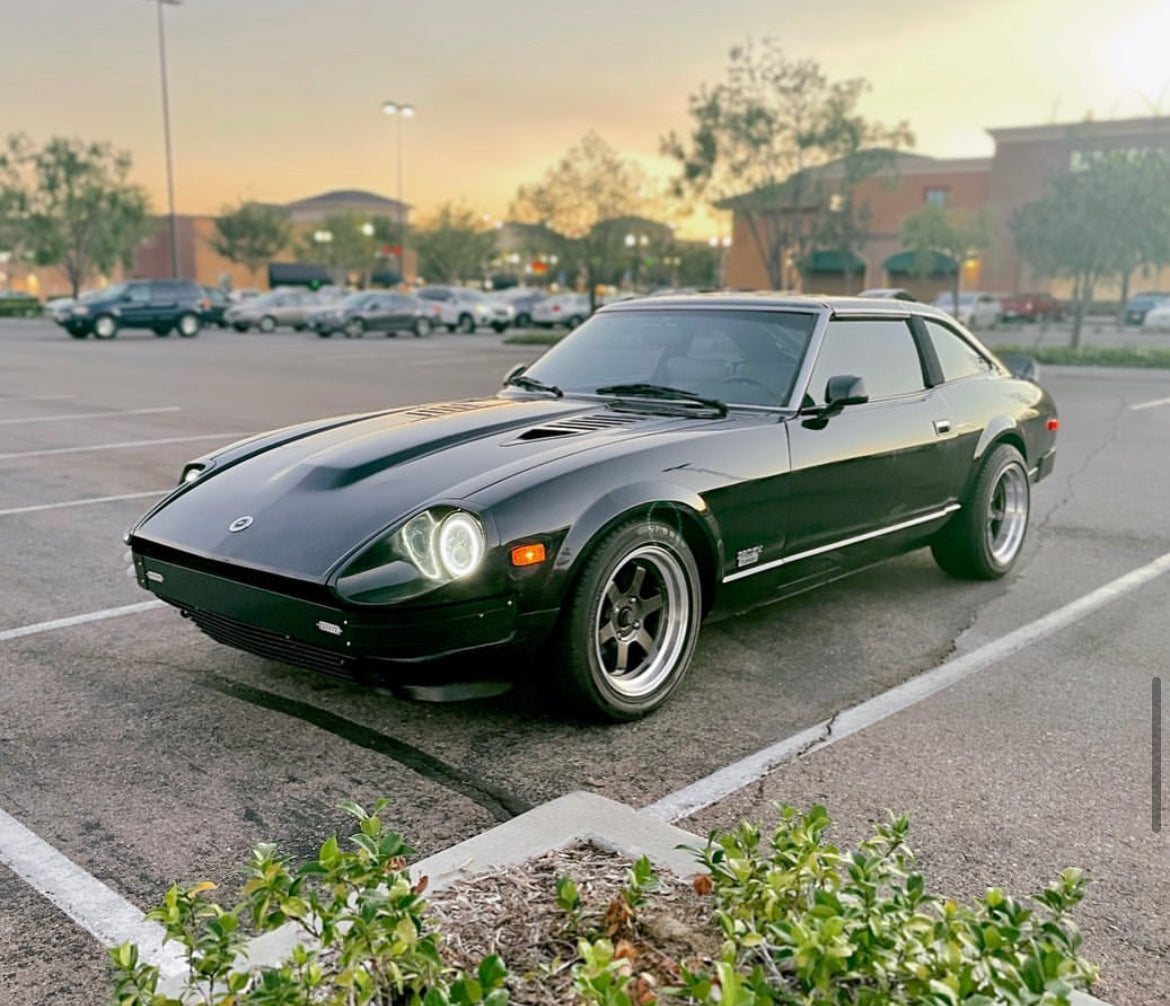

A stuck window in a Datsun S30 has this habit of happening at the worst possible time - right before a rainstorm rolls in or when you're parking somewhere questionable with the glass stuck halfway down. The 240Z, 260Z and 280Z were built with a mechanical scissor-type regulator system that was probably considered pretty reliable back in 1972 when these cars first came out. After 5 decades of regular use, though, the parts in it eventually wear out and start to fail. The crank might spin freely without actually moving the glass at all, or in some cases, it just doesn't turn at all.
Plenty of owners believe that they need to replace the entire regulator assembly, and they'll get ready for an expensive search to track down the right parts. But that assumption can cost you time and money for no reason. Most stuck windows come from some much smaller problems that barely cost anything to fix. Old grease hardens into something like glue inside the tracks, the door hinges wear down over time and throw off the alignment, or the cables stretch out just enough that they lose the tension they need to work right. Jumping straight to replacing parts will probably make you miss what's actually going on, and you might damage pieces that would have worked just fine for years to come.
Your best bet is to take some time and work out what broke before replacing parts. Check each component step by step to see if the problem is with the door frame alignment, the tracks, the regulator mechanism, the cables or the way that the glass sits in there. Different problems will give you different clues about what went wrong. Spending just 30 minutes on inspection and testing will save you hours of unnecessary work. And you'll be able to save the original parts that are still working fine instead of replacing the parts that didn't actually need it.
Table of Contents
How to Test Your Window Crank
Check out the window crank itself - it's actually one of the best ways to tell what's wrong. Give it a turn and feel how it feels in your hand. The crank just spinning around freely with no resistance at all most likely points to a broken cable or maybe a regulator arm that came loose somewhere inside the door. When everything's working like it should, the crank will have at least a little bit of pushback as you turn it.
As you work the crank back and forth, listen for any sounds that the door makes. Grinding or scraping noises usually signal that something inside the regulator mechanism has started to bind up. The most common reason why this happens is rust or debris that has built up in the window tracks over time. Another sound to listen for is a repetitive clicking noise that happens each time you turn the crank. That clicking sound tells you the gears inside the regulator assembly have probably worn down or stripped out completely.

Next, crank the window and watch to see if it moves at all. Even the smallest amount of movement tells you plenty about what's wrong. The regulator itself is probably working fine if the glass moves just a little bit before it stops. But something is blocking the window from going any further. It's usually bent tracks or some obstruction that's stuck inside the door cavity.
A frozen window is actually a different problem. Nothing moving at all (and I mean zero movement) probably points to a regulator that has seized up from years of corrosion and general wear. The S30 used a scissor-style regulator design, and those are known to lock up badly as they get older. The window could have also dropped down into the door panel and wedged itself at an angle that would stop it from moving in either direction.
Another test worth trying is to have someone else turn the crank as you gently push up on the glass with your hand. The window starting to move as you help it along tells you the regulator is either going weak or it's partially broken and can't take care of the weight of the glass by itself anymore. If it still won't budge even when you're pushing on it, something in the mechanism has seized up or gotten stuck.
Check The Door Hinges First
The problem might not even be the window mechanism - maybe it's the door itself. These Zs have been around for decades now, and over all those years, the hinge pins and bushings wear down and eventually fail. A sagging door can be hard to see on its own. But a stuck or sluggish window tends to be the first sign that something's gone wrong with the door.
When a door sags and hangs lower than it should, it's going to pull the window right out of its normal track. The glass needs to slide straight up and down inside the window channel for everything to work the way it should. A sagging door changes that whole angle, though. After everything gets out of alignment, the window won't slide right anymore - it'll jam against the frame if you try to roll it up or down.
Door sag is actually one of the easier problems to diagnose on your own. You just need to open the door and take a measurement at the top - measure from the edge of the door to the body panel to get the gap distance. Then go ahead and measure that same gap down at the bottom of the door. Compare the two measurements, and a gap that's wider at the top tells you that the door has dropped over time.

Since you already have the door open, go ahead and run a quick test on the hinges. Grab the outside edge of the door and give it a gentle lift upward. If it moves at all (even just a little bit), that tells you the hinge pins have worn loose inside their bushings.
Worn-out door hinges are actually one of the better scenarios you could hope for. Usually, you just need to fix the sagging door itself, and the window mechanism will work just fine again. The mechanism just needs the right support from the door to keep everything lined up correctly. Save yourself some time and effort by checking the door hinges before you work on the window regulator or adjust the glass channels.
How to Clean Your Window Tracks
After you've ruled out door alignment problems, window channels are usually the next area to check. Window channels are those felt-lined tracks that run up and down inside your door, and over time, they pick up lots of dirt and buildup - especially after decades of use.
The door panel has to come off before anything else can happen. Full access to these channels is nearly impossible without removing it first. With the panel out of the way, everything inside gets visible and much easier to work with. The hard-to-reach places open up for cleaning. The felt lining runs down each side of the glass, and you'll typically find it compressed and coated with a thick layer of dark grime that's accumulated over the years.
A strong degreaser or some brake cleaner is what you'll need for this part of the job. These solvents are much better at cutting through old grease and built-up gunk than soap and water ever will be. Spray the channels down really well and then grab an old toothbrush or a small wire brush to scrub away the buildup that's in there. The amount of crud that comes out is interesting (and a bit gross!).

After the channels are clean and dry, go ahead and apply a fresh layer of white lithium grease along those felt tracks. White lithium grease works great for this application because it stays put where you apply it, and it won't pick up as much dirt and grime as most other lubricants will. Another big benefit is how well it handles temperature extremes - your door gets exposed to intense summer heat and freezing winter cold throughout the year, and this grease will keep performing through it all.
WD-40 sounds like it could work as an alternative. But it's more of a penetrating oil and solvent than a lubricant. It can free up parts that are stuck or frozen. But it's not going to stay where you put it - it'll evaporate or just run right off after a while.
When you clean the channels this way, that's typically all it takes to get those stuck windows to move again.
How to Replace Your Window Cables
Your 240Z uses a cable system that connects the window crank to the regulator mechanism, and those steel cables are going to stretch and fray after years of use. Most of the wear and damage happens at one particular place - right where the cables wrap around the pulleys inside of your door panel. The friction and movement are concentrated in that area.
A bad cable has some telltale signs that are easy to spot if you look for them. The crank is going to turn freely in your hand. The window itself just stays put, and it won't move up or down. You won't feel any resistance when you're turning it because the cable has either snapped or it's come loose from where it attaches. A jammed regulator is going to feel different - in that case, the crank will actually fight back against you and resist as you try to turn it.
Go ahead and pull off the door panel so you can get a better look at the cables through the access holes. Check for any fraying or damaged strands along the cable's length. Kinks are another common issue, and they usually form when the cable gets bent at a weird angle and the metal structure gets compromised. The sections right around the pulleys deserve a bit of extra attention because that's where most of the wear tends to build up.

If your cables are damaged, you should replace them as soon as you can. Replacement cables are easy to find from just about any supplier that carries classic Datsun parts, and it makes this a fairly simple repair. A trip to the junkyard to hunt for an original cable isn't necessary unless that's a big deal to you - a new cable is going to work just as well, and it'll save you time and effort in the process.
To replace the cable, you'll disconnect it from the regulator and the crank and then run the new one along the same path that the old cable took. Make sure that it fits right into the pulley grooves before you close everything back up. Any cable that sits crooked or rides outside of the groove is going to wear out way faster than it should, so it's worth the extra minute during installation to get it right.
How to Fix Your Window Glass Position
Over time, the glass in your door moves out of its right position. Sometimes this happens slowly as the weatherstripping starts to wear down and lose its grip. Other times, it can happen pretty quickly if you've been in a small accident or just a minor fender bender. Once the window isn't sitting right in the door frame anymore, it's going to create resistance against the regulator mechanism every time you try to roll it up or down.
Alignment is actually one of the easier checks when you troubleshoot window problems, and it can tell you quite a bit about what's going wrong. Just roll the glass up about halfway and take a close look at how it sits in relation to the door frame. On a window that's aligned, the glass will run parallel to the frame on the left and right sides. When one edge is tilted either forward or backward compared to the other side, you've probably found the source of your problem.

The best way to get everything back to where it needs to be is to loosen up the bolts that hold the glass to the regulator mechanism. You'll find these bolts inside the door panel, right where the glass attaches to its mounting brackets. Don't actually take them out, though - that'll just make it harder. You just need to back them off enough so the glass has a little room to move around. Get one person to turn the window crank nice and slow as another person guides the glass panel back to where it belongs. The glass has to sit square in there, and it should run straight up and down without any wobble or tilt in the track. Usually, you just need to shift it a small fraction of an inch to get everything to line up the way it should.
Take your time with this adjustment because the angle really matters here - if you get it dialed in correctly, it makes quite a difference.
Build Your Dream Car
Most window problems with these older Datsuns don't come from broken parts. What tends to happen over the years is that dirt builds up in the tracks, the original grease dries out and gets crusty, and everything just wears down from age and use. A deep cleaning of the window tracks and fresh lubrication will solve the problem in most cases. That can save you hours of unnecessary work and prevent you from having to tear your door panel apart when there's nothing wrong in there. If the cables have worn through or the regulator mechanism is worn out and needs replacement, parts are still available from specialty suppliers who know these cars well.
If the whole process seems like too much, that's okay - you can work through it one step at a time. Taking it slow will help you skip over the common mistake of replacing parts that are actually working just fine, and it'll save you time and money. One of the best aspects of Datsuns is that they were built with the idea that regular owners could take care of their own maintenance and repairs. The window mechanisms are a perfect example of this philosophy - they're not complicated and are designed to be fixed at home.

At Skillard, we help Z car owners get a lot more out of their 240Z, 260Z, 280Z and other classic models with custom parts that are built specifically for these cars. When you're working on restorations and custom builds, you need quality parts that match the project, and we carry bumpers, aluminum door cards, center consoles, spoilers and a whole lot more that bring some fresh innovation to these classic Datsun designs. Check us out at Skillard.com to browse through what's in stock and find the exact pieces that your build needs!